Best Tel Aviv neighborhoods for expats with international schools
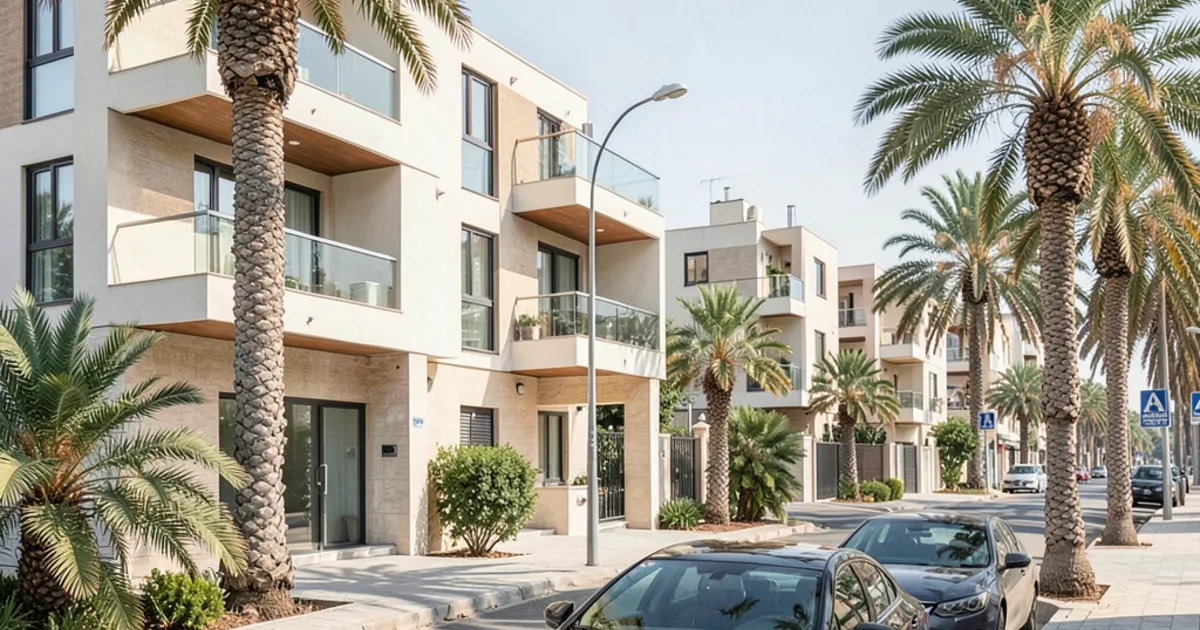
Moving to a new country is a monumental life event, particularly when children are involved in the transition. For international families arriving in Tel Aviv, the search for a home is rarely just about square footage or modern amenities; it is fundamentally driven by the proximity to high-quality international schools. The choice of neighborhood will dictate your daily commute, your social circle, and your children's educational stability. This guide provides an in-depth look at the most strategic areas for expat families, focusing on the educational and lifestyle advantages of the northern districts.
Quick answer: The most suitable neighborhoods for expats seeking international schools in Tel Aviv include Jaffa, Ramat Gan, and Kiryat HaYovel. These areas offer direct access to major campuses such as the International School of Tel Aviv and the American International School of Tel Aviv, combining quality education with established residential infrastructure.
- The Crucial Link Between International Schools and Neighborhood Selection
- Ramat Aviv: The Gold Standard for Expat Families
- Exploring the Advantages of North Tel Aviv
- Comparing the North to Central Neighborhoods like Neve Tzedek and Florentin
- Navigating the School Enrollment Process for Expats
- Understanding the Financial Realities: Beyond Tuition Fees
- Real Estate Logistics: The Strategy of Renting vs. Buying
- Legal Safeguards and the Importance of Professional Guidance
- Long-term Integration: Beyond the School Gates
- Summary and Strategic Planning for Your Move
The Crucial Link Between International Schools and Neighborhood Selection
For the global professional, the availability of an international school curriculum is often the primary filter used when searching for property. These institutions typically offer established programs such as the International Baccalaureate (IB) or British and American curricula, which are essential for families who may need to relocate globally in the future. Because these schools are highly sought after, they create localized 'pockets' of demand in the real estate market. This demand often leads to higher property values and more stable rental markets in the immediate vicinity of these educational hubs.
Choosing a home based on school proximity is not merely about shortening the morning commute, although that is a significant practical benefit. It is also about the ecosystem that surrounds these schools, which often includes parks, quiet streets, and family-oriented amenities. When a neighborhood becomes an educational hub, the local infrastructure tends to adapt to the needs of families. You will often find better-maintained playgrounds, safer walking paths, and a higher density of services that cater to parents and children alike.
However, it is important to recognize that the presence of an international school can influence the entire character of a neighborhood. Areas near these schools often attract a cosmopolitan population, which can make the transition easier for expats. You are more likely to encounter neighbors who understand the challenges of international living and who share similar cultural values. This social cohesion is an intangible but vital component of a successful relocation, providing a sense of belonging from the moment you arrive.
- Curriculum continuity for global mobility
- Reduced daily commute times for parents
- Increased access to family-centric amenities
- Higher social density of expatriate families
Ramat Aviv: The Gold Standard for Expat Families
Ramat Aviv stands as the premier choice for families seeking a blend of prestige, tranquility, and educational excellence. This neighborhood is characterized by its wide, leafy streets and a distinctly residential atmosphere that feels removed from the frantic energy of the city center. It is widely considered the most stable and desirable area for those who prioritize a high quality of life for their children. The architecture often leans towards larger, spacious apartments and villas, making it ideal for growing families.
The primary draw for many is the proximity to some of the most respected international educational institutions in the country. Being located in Ramat Aviv means that the 'school run' is often a pleasant stroll through well-maintained greenery rather than a stressful journey through heavy traffic. This proximity creates a unique lifestyle where the boundaries between home, school, and community are seamlessly integrated. The neighborhood's layout encourages a pedestrian-friendly lifestyle that is highly valued by international residents.
Beyond education, Ramat Aviv offers a level of sophistication that caters to the needs of working professionals. You will find high-end grocery stores, boutique cafes, and excellent medical facilities within easy reach. While the cost of living in this area is certainly higher than in other parts of the city, the investment is often seen as worthwhile due to the long-term stability and the high standard of local infrastructure. It is a neighborhood designed for longevity, not just a temporary landing pad.
- Quiet, low-traffic residential streets
- Proximity to elite international schools
- High-end retail and lifestyle amenities
- Strong community of international professionals
Exploring the Advantages of North Tel Aviv
The northern reaches of Tel Aviv offer a diverse array of residential options that cater to different family needs and budgets. As you move further north, the urban density tends to decrease, giving way to more spacious layouts and a greater connection to nature. This area is particularly attractive to those who want to be close to the city's economic engine while maintaining a suburban feel. The northern districts provide a strategic advantage for families who need easy access to both the city and the coastal areas.
One of the most significant benefits of the north is the access to expansive green spaces and parks. For families with children, having large, safe areas for outdoor play and physical activity is a non-negotiable requirement. Many northern neighborhoods are situated near major parks or provide easy access to the coastline, allowing for a lifestyle that balances urban convenience with outdoor recreation. This connection to nature is a key factor in maintaining a healthy work-life balance for busy expat parents.
Furthermore, the northern corridor benefits from excellent transportation links that connect you to the rest of the metropolitan area. While many families prefer to live within walking distance of their children's schools, the north offers the flexibility of quick commutes via major arteries. This makes it possible to live in a quieter, more family-oriented setting without sacrificing the ability to reach the business districts or the cultural heart of Tel Aviv quickly. It is a region that offers both peace and connectivity.
Comparing the North to Central Neighborhoods like Neve Tzedek and Florentin
When deciding between the north and the center, families must weigh their lifestyle preferences against their educational requirements. Central neighborhoods like Neve Tzedek or Florentin are renowned for their historic charm, vibrant nightlife, and artistic energy. These areas are perfect for young professionals or those who crave a high-intensity urban experience. However, they are often characterized by narrow streets, higher noise levels, and a lack of significant green space, which can be challenging for families with young children.
In contrast, the northern neighborhoods offer a more predictable and structured environment. While the center of Tel Aviv is about constant movement and sensory stimulation, the north is about stability and space. In the center, you might find yourself living in a smaller, older apartment with limited parking and high pedestrian traffic. In the north, you are more likely to find modern amenities and a layout that accommodates the logistical needs of a family, such as larger kitchens and dedicated play areas.
It is also important to consider the school landscape in these different zones. While there are certainly excellent private schools in the center, they are often much smaller in scale or more specialized. The large-scale international schools that offer comprehensive curricula and extensive extracurricular programs are more frequently located in or near the northern and eastern residential belts. For a family whose primary goal is educational continuity and a calm home environment, the north almost always holds the advantage.
- Center: High energy, historic charm, compact living
- North: Tranquility, spaciousness, family-centric infrastructure
- Center: High noise levels, limited greenery
- North: Quiet streets, abundant parks and nature
Navigating the School Enrollment Process for Expats
Securing a place in a top-tier international school is a process that requires significant foresight and planning. Most reputable institutions in Tel Aviv operate with long waiting lists, meaning that applying the moment you arrive in the country may be too late. It is highly recommended that families begin their inquiry several months before their planned relocation. This allows you to understand the specific curriculum, the school's philosophy, and the logistical requirements for enrollment.
During the application process, schools will typically require documentation such as previous academic records, immunization certificates, and proof of residency. Because you are moving from abroad, ensure that all your documents are translated and, if necessary, apostilled to meet local requirements. It is also wise to schedule virtual tours or even in-person visits if your timeline permits. Understanding the school's community and seeing the facilities firsthand can provide peace of mind that a website cannot.
Once a place is secured, you should also consider the 'wraparound' services provided by the school. Many international schools offer after-school programs, transport services, and extracurricular clubs that are essential for working parents. These services can significantly ease the transition into the local lifestyle. However, always verify the availability and costs of these services early on, as they are often subject to capacity and can add to your monthly household budget.
Understanding the Financial Realities: Beyond Tuition Fees
Relocating a family involves a complex web of costs that extend far beyond the obvious expense of school tuition. When budgeting for your move to Tel Aviv, you must account for the high cost of housing in the preferred family neighborhoods. Rent in areas like Ramat Aviv is significantly higher than the city average, reflecting the demand for quality living spaces. If you are planning to purchase property, you must also factor in various taxes and administrative fees that are standard in the Israeli real estate market.
One of the most important recurring costs to consider is the Arnona, which is the municipal property tax. This tax is calculated based on the size and type of the property and is paid to the local municipality. In premium neighborhoods, the Arnona can be a substantial monthly or annual expense. Additionally, you should budget for building maintenance fees, often referred to as 'Va'ad HaBayit,' which cover the upkeep of common areas, security, and shared amenities in apartment buildings.
For those looking to enter the property market, understanding the taxation structure is vital. When buying, you will encounter Mas Rekhisha, the purchase tax, which varies depending on whether the property is your only residence or an investment. If you eventually decide to sell, you will be subject to Mas Shevah, the capital gains tax. Managing these costs requires careful planning and, ideally, consultation with a local professional to ensure you are not caught off guard by unexpected liabilities.
- School tuition and extracurricular fees
- Monthly Arnona (Municipal property tax)
- Va'ad HaBayit (Building maintenance)
- Mas Rekhisha (Purchase tax) and Mas Shevah (Capital gains)
Real Estate Logistics: The Strategy of Renting vs. Buying
For many expat families, the most prudent strategy is to rent a property for the first year before committing to a purchase. This 'test drive' approach allows you to experience the neighborhood, the school, and the daily commute firsthand. It is one thing to see a neighborhood on a map, but it is quite another to live there during the winter months or during the busy school term. Renting provides the flexibility to adjust your location if you find that the neighborhood does not meet your family's specific needs.
If you decide to purchase, the process in Israel involves several formal steps that require professional guidance. The process typically begins with finding a property and then moving toward a binding memorandum, which is the formal contract between the buyer and the seller. This document is legally significant and should always be reviewed by a qualified lawyer to protect your interests. Once the contract is signed, the transaction moves through various stages of verification involving the Tabu, the official land registry.
Securing a Mashkanta, or mortgage, is another critical component for those looking to buy. The mortgage market in Israel has its own set of regulations and interest rate structures that can impact your long-term financial planning. It is essential to work with a local financial advisor or a bank to understand your borrowing capacity and the implications of different mortgage terms. Whether you choose to rent or buy, having a clear understanding of these logistical steps is fundamental to a successful real estate journey.
Legal Safeguards and the Importance of Professional Guidance
Navigating the Israeli real estate market as an international resident can be daunting due to the specific legal frameworks in place. It is highly recommended that you engage a local lawyer to represent your interests throughout any transaction. A lawyer will perform necessary due diligence, ensuring that the property is legally cleared in the Tabu land registry and that there are no hidden liens or legal disputes. This step is crucial for preventing costly errors and ensuring a smooth transfer of ownership.
A notary is another professional you will frequently interact with during your relocation and property dealings. Notaries are essential for certifying documents, witnessing signatures on legal contracts, and ensuring that the formal requirements of the law are met. Whether you are signing a rental agreement or a purchase contract, the involvement of a notary adds a layer of officiality and security to your transactions. Never attempt to bypass these formal legal steps, as they are the foundation of your legal protection.
Furthermore, understanding the role of the local municipality is vital. The municipality manages everything from zoning laws and building permits to the collection of Arnona. If you are planning any renovations or expansions to a property you purchase, you must ensure that all work is approved by the municipality to avoid legal complications or fines. Staying compliant with local regulations is a key part of maintaining your property's value and your family's peace of mind.
Long-term Integration: Beyond the School Gates
While international schools provide an English-speaking environment for your children, true integration into Israeli life often requires a proactive approach to learning the local language. Many expats find it immensely helpful to enroll in an Ulpan, which is an intensive Hebrew language school. Learning even basic Hebrew can transform your experience, allowing you to interact more effectively with local service providers, neighbors, and government officials. It bridges the gap between being a resident and being a member of the community.
Social integration also happens through the local community infrastructure. In family-oriented neighborhoods like Ramat Aviv, you will find many opportunities to connect with other parents through school events, local parks, and community centers. Engaging in these local activities is one of the most effective ways to build a support network. Having a circle of local friends who can offer advice on everything from finding a reliable plumber to navigating the healthcare system is invaluable for any expat family.
Ultimately, the goal of choosing a neighborhood based on international schools is to create a stable foundation for your family's future. As your children grow and their needs evolve, the community and the educational ecosystem you have chosen will play a vital role in their development. By selecting a neighborhood that offers both high-quality education and a supportive social environment, you are setting the stage for a successful and fulfilling life in Tel Aviv.
Summary and Strategic Planning for Your Move
In conclusion, selecting the right neighborhood in Tel Aviv is a multifaceted decision that requires balancing educational needs, lifestyle preferences, and financial realities. The northern districts, particularly Ramat Aviv, offer a unique and highly desirable environment for expat families seeking stability and excellence. These areas provide the necessary infrastructure, from top-tier international schools to quiet residential streets, to support a smooth transition into Israeli life.
As you prepare for your move, remember to prioritize the 'big picture' elements: the school enrollment, the housing strategy, and the legal protections. Do not rush the process; instead, use the time to research, visit, and consult with professionals. Whether you choose to rent first to test the waters or move straight into a purchase, a well-researched and methodical approach will significantly reduce the stress of relocation and ensure your family finds its perfect home.
Tel Aviv is a dynamic and rewarding city, offering unparalleled opportunities for growth and adventure. By focusing on the neighborhoods that align with your family's educational and lifestyle priorities, you are not just finding a place to live, you are building a home. With the right preparation and a clear understanding of the local landscape, your journey into the heart of Israel can be the beginning of an extraordinary new chapter.
FAQ
Which Tel Aviv neighborhood is best for families with international students?
Ramat Aviv is widely considered the best choice due to its quiet, residential character and its close proximity to several prestigious international schools. It offers a high quality of life with excellent amenities for children.
Get your personalised shortlist
Listings and up-to-date info, straight to your inbox, free, no obligation.
See Tel Aviv homes →