Buying property in Jaffa: what to look for in old vs new buildings
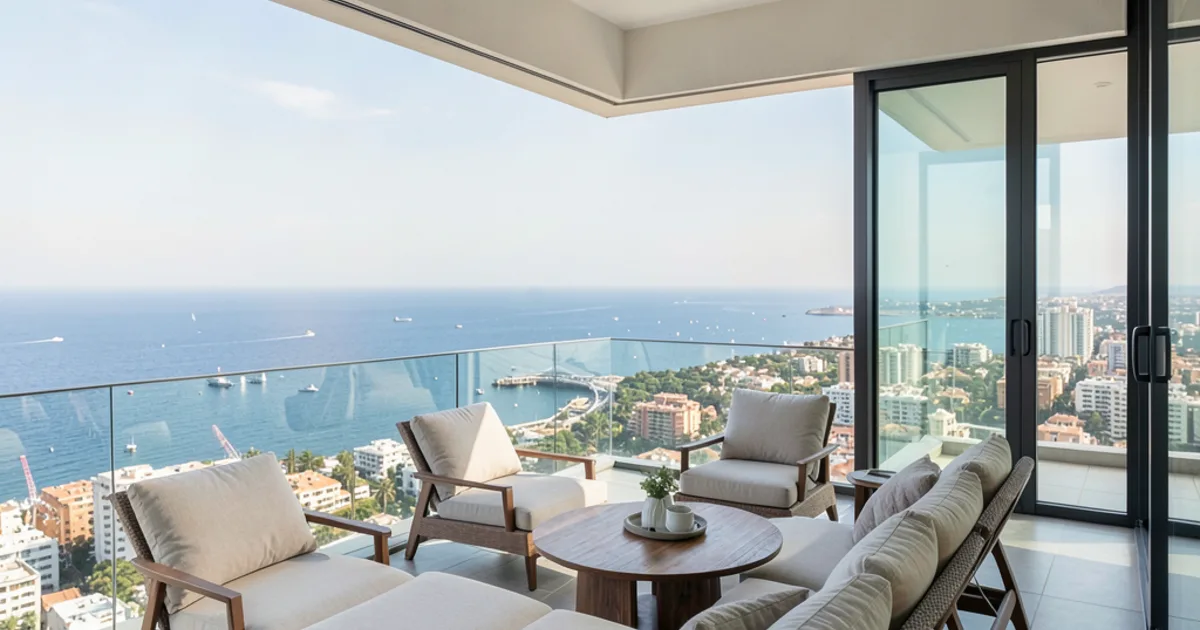
Jaffa offers one of the most complex and rewarding real estate environments in the Mediterranean region. For those looking to invest or relocate, the choice often boils down to a fundamental tension: the desire for historical soul versus the demand for modern efficiency. Navigating this market requires more than just an eye for aesthetics; it demands a deep understanding of local legal structures, construction standards, and long-term maintenance realities. This guide provides an in-depth comparison to help you make an informed decision.
- Understanding the Jaffa Real Estate Dichotomy
- The Timeless Appeal of Historical Stone Houses
- Managing the Risks of Heritage Properties
- The Advantages of Modern Residential Developments
- Comparing Structural Integrity and Longevity
- Navigating the Legalities of Jaffa Ownership
- Understanding the Financial Implications of a Purchase
- Neighborhood Dynamics: Choosing Your Micro-Location
- The Renovation Dilemma: Sweat Equity vs. Convenience
- Long-Term Investment and Urban Renewal
Understanding the Jaffa Real Estate Dichotomy
The Jaffa property market is characterized by a stark contrast between two distinct worlds. On one hand, you have the ancient, winding alleys of Old Jaffa, where stone buildings tell stories of centuries past. On the other, you have the rapid modernization of the surrounding areas, where sleek high-rises and contemporary complexes are redefining the skyline. This dichotomy creates a unique set of opportunities and challenges for every prospective buyer.
For many, the draw of Jaffa is its unparalleled atmosphere, a blend of Mediterranean coastal life and deep historical roots. However, this atmosphere comes with a learning curve that differs significantly from buying in more standardized cities. Whether you are looking for a vacation home, a primary residence, or a rental property, you must recognize that the rules of engagement change depending on which side of this dichotomy you choose.
Understanding this split is the first step in a successful acquisition strategy. An investor looking for quick rental yields might gravitate toward the new builds, while a lifestyle buyer might prioritize the character of a heritage home. Both paths are viable, but neither is without its specific set of complexities that require careful due diligence before any money changes hands.
The Timeless Appeal of Historical Stone Houses
There is an undeniable magic to the historical stone houses that dot the Jaffa landscape. These properties often feature high ceilings, thick masonry walls, and arched windows that provide natural cooling in the summer months. Living in such a space offers a sense of continuity and prestige that modern construction simply cannot replicate. For many, the aesthetic value of these homes is the primary driver for their purchase.
Beyond the immediate visual charm, these properties often sit on prime, central plots that are no longer available in new developments. Owning a piece of history in a location like Old Jaffa or the edges of Florentin provides a level of scarcity that can be highly beneficial. This scarcity often acts as a natural hedge against market volatility, as unique historical assets are finite resources.
Furthermore, the lifestyle associated with these homes is deeply rooted in the local culture. They are often located within walking distance of the sea, local markets, and cultural hubs. While the layout may not follow modern open-plan trends, the organic flow of these spaces offers a warmth and intimacy that many find superior to the sterile environments of contemporary towers.
- High ceilings and natural ventilation through thick stone walls.
- Unmatched historical character and aesthetic prestige.
- Scarcity of location in highly desirable, central areas.
- Proximity to cultural landmarks and coastal amenities.
Managing the Risks of Heritage Properties
While the charm of old buildings is significant, the practical risks are equally substantial. Historical structures were not built to the modern engineering standards that we rely on today. Buyers must be prepared for the possibility of outdated plumbing, electrical systems that cannot handle modern appliances, and issues with humidity or dampness. These are not merely cosmetic concerns; they are fundamental structural and lifestyle challenges.
Maintenance in heritage areas can also be a logistical nightmare. Many of Jaffa's older streets are narrow and difficult to access, which can significantly increase the cost of any necessary repairs or renovations. If a roof needs replacing or a foundation requires reinforcement, getting heavy machinery and materials into the neighborhood can lead to inflated labor costs and extended timelines.
Additionally, there is the matter of municipal regulations and conservation laws. In many parts of Jaffa, the municipality imposes strict guidelines on how historical buildings can be modified. You may find that you cannot simply change a window frame or add an extension without navigating a complex and often slow approval process. This can limit your ability to customize the home to your specific needs.
- Potential for outdated or insufficient utility infrastructure.
- High logistical costs for repairs in narrow, historic streets.
- Strict municipal conservation laws limiting renovations.
- Higher-than-average ongoing maintenance requirements.
The Advantages of Modern Residential Developments
Modern construction in the Jaffa periphery offers a starkly different experience, characterized by predictability and convenience. New buildings are designed with contemporary lifestyles in mind, offering amenities such as underground parking, elevators, and secure entry systems. For many buyers, especially those moving from abroad, the ease of a 'turnkey' property is a major selling point.
Energy efficiency is another significant advantage of new developments. Modern buildings adhere to strict thermal and acoustic insulation standards, which can lead to lower monthly utility bills and a more comfortable living environment. In a climate like Israel's, where air conditioning is a necessity, the ability of a building to maintain temperature efficiently is a vital consideration.
Furthermore, modern complexes often provide a sense of community and security that is harder to find in older, more isolated buildings. Shared amenities like gyms, communal gardens, or rooftop terraces allow residents to interact in a controlled, safe environment. This makes new builds particularly attractive to young professionals, families, and international residents who prioritize safety and ease of living.
- Modern amenities including elevators and underground parking.
- Superior energy efficiency and lower utility costs.
- Standardized construction quality and predictable maintenance.
- Enhanced security features and community-oriented layouts.
Comparing Structural Integrity and Longevity
When evaluating property, one must look beneath the surface at the structural bones of the building. Old stone buildings rely on mass and gravity, which provides excellent stability but can be prone to settling or shifting over decades. If the foundation has been compromised by groundwater or seismic activity, the repairs can be both complex and extremely costly.
In contrast, modern buildings are constructed using reinforced concrete and steel, designed to meet specific seismic and load-bearing codes. This provides a level of structural predictability that is essential for long-term peace of mind. While no building is permanent, the engineering behind new constructions is specifically optimized to withstand the environmental stresses of the local region.
However, it is important to note that 'new' does not always mean 'perfect.' Even in modern developments, buyers should inspect the quality of the materials used and the reputation of the developer. A poorly managed construction project can lead to cracks, leaks, or poor finishing, which can be just as problematic as the issues found in a centuries-old home.
Navigating the Legalities of Jaffa Ownership
The legal process of buying property in Jaffa requires meticulous attention to detail, particularly when dealing with older titles. It is crucial to verify the status of the property in the Tabu (the official land registry). Some older properties may not be fully registered in the Tabu, instead relying on older forms of ownership that can be difficult to trace and verify. This is a critical step that should always be handled by a professional.
A buyer must also ensure that all necessary building permits have been obtained and that the property is in compliance with the municipality's zoning laws. In Jaffa, it is not uncommon to find additions or renovations that were completed without proper authorization. Discovering these discrepancies after the purchase can lead to heavy fines or even orders to demolish the non-compliant structures.
Before signing any documents, a binding memorandum (Hov Shavah) should be drafted by a legal expert. This document outlines the terms of the sale, the timeline for transfer, and the responsibilities of both parties. Engaging a local lawyer who understands the specific nuances of Jaffa's municipal and land registry systems is perhaps the most important investment you will make in this process.
- Verification of title through the Tabu land registry.
- Compliance checks with municipal building permits and zoning.
- Drafting a robust and binding memorandum (Hov Shavah).
- Due diligence regarding historical ownership and rights.
Understanding the Financial Implications of a Purchase
Purchasing property in Israel involves several layers of taxation that must be factored into your budget. The first is Mas Rekhisha, or purchase tax, which is calculated based on the property value and the buyer's status (such as whether they are a first-time buyer). This tax is a significant upfront cost that can vary depending on the total amount of the transaction.
If you are purchasing a property as an investment and later decide to sell it, you must account for Mas Shevah, also known as capital gains tax. This is a tax on the appreciation of the property's value during your period of ownership. Understanding how this tax is calculated is essential for determining the true net return on your investment.
Beyond taxes, you must also consider the ongoing costs of ownership, such as Arnona (municipal property tax). Arnona rates can vary significantly between the historic center and newer residential zones. Additionally, if you are financing your purchase through a Mashkanta (mortgage), you must factor in interest rates and the long-term cost of debt, which can fluctuate based on the broader economic climate.
- Mas Rekhisha (Purchase Tax) based on property value.
- Mas Shevah (Capital Gains Tax) on future appreciation.
- Arnona (Municipal Property Tax) ongoing costs.
- Mashkanta (Mortgage) interest and long-term financing.
Neighborhood Dynamics: Choosing Your Micro-Location
Jaffa is not a monolith; it is a collection of distinct micro-neighborhoods, each with its own character and market drivers. For example, the area around Florentin is known for its gritty, artistic vibe, making it a magnet for young creatives and boutique businesses. This area offers a high energy level but may lack the quietude some buyers seek.
In contrast, the areas closer to the Old Jaffa coastline are often more tourist-centric and prestigious, with property values driven by the view and the historical significance. These areas are ideal for high-end rentals or vacation homes, but they can also feel transient due to the high volume of visitors. The noise levels and foot traffic should be a key consideration for permanent residents.
As you expand your search, you might look toward more residential pockets that offer a balance of traditional Jaffa life and modern convenience. These areas often provide better value for money and a more stable environment for families. Understanding the 'vibe' and the demographic of each street is just as important as looking at the building itself.
The Renovation Dilemma: Sweat Equity vs. Convenience
Many buyers in Jaffa find themselves at a crossroads: do they buy a 'fixer-upper' or a turnkey property? Buying an older, unrenovated stone house allows for the creation of significant 'sweat equity.' By investing time and capital into a restoration, you can transform a neglected structure into a bespoke masterpiece that commands a premium in the market.
However, the renovation path is fraught with uncertainty. As mentioned previously, the combination of municipal restrictions, logistical difficulties, and the unpredictable nature of old buildings means that projects often go over budget and past deadlines. This requires not only a significant financial buffer but also a high degree of patience and project management skill.
On the other hand, purchasing a new or recently renovated property offers immediate gratification and much lower stress. You avoid the 'renovation fatigue' and can move in almost immediately. While the entry price for these properties is higher, the cost is often justified by the lack of hidden expenses and the certainty of the living standard from day one.
Long-Term Investment and Urban Renewal
From an investment perspective, Jaffa is a landscape of significant potential, driven largely by urban renewal projects. Initiatives such as Pinui Binui (demolish and rebuild) and Tama 38 (strengthening existing buildings) are transforming many older neighborhoods. These projects can drastically increase the value of nearby properties as the entire area's infrastructure and housing stock are upgraded.
Investors should keep a close eye on the municipality's long-term urban planning maps. Knowing which areas are slated for major revitalization can give you a significant advantage. A property that currently seems modest may become highly valuable if it sits in the path of a major redevelopment project that brings new parks, roads, and commercial hubs.
Ultimately, the decision between old and new should be viewed through the lens of your specific goals. If you seek capital appreciation through urban transformation, the older, undervalued areas might be your best bet. If you seek steady rental income with minimal management hassle, the modern developments in established areas are likely the more prudent choice.
FAQ
Can I get a mortgage for an old stone building in Jaffa?
Yes, it is generally possible to secure a Mashkanta for older properties, but banks often require more stringent appraisals. They may want to ensure the building is structurally sound and that the title is clearly registered in the Tabu. It is best to consult with your financial institution early in the process.
Get your personalised shortlist
Listings and up-to-date info, straight to your inbox, free, no obligation.
See Tel Aviv homes →