Comparing rental yields in Jaffa vs. the Tel Aviv City Centre
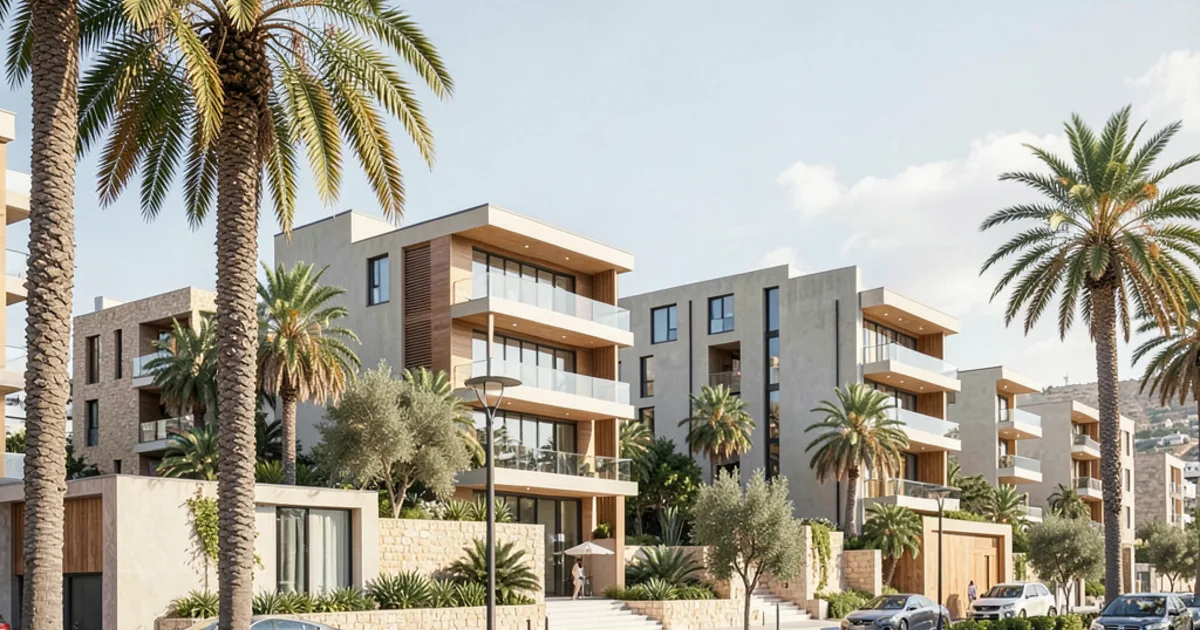
Navigating the real estate landscape of Israel requires a keen understanding of the distinction between capital appreciation and immediate cash flow. For many investors, the debate often centers on whether to prioritize the prestige and stability of the Tel Aviv City Centre or the emerging, higher-yield opportunities found in Jaffa. This comparison is not merely about location, but about how different asset classes respond to taxation, maintenance, and market shifts. This guide provides a data-driven framework to help you evaluate these two distinct investment environments.
Quick answer: Rental yields in Jaffa and the Tel Aviv City Centre are influenced by property values, demand, and location-specific factors. This comparison helps investors understand which area offers better returns based on current market dynamics.
- The Fundamentals of Rental Yield in Israel
- The Tel Aviv City Centre: A High-Barrier, High-Stability Market
- Jaffa: Unlocking Higher Yields through Urban Transformation
- Comparing Capital Appreciation and Monthly Cash Flow
- Micro-Market Analysis: Neve Tzedek vs. Florentin
- The Impact of Taxation: Mas Rekhisha and Mas Shevah
- Managing Ongoing Expenses: Arnona and Property Maintenance
- The Role of Financing: Navigating Mashkanta and Interest Rates
- Mitigating Risk: The Tabu and Legal Due Diligence
- Strategic Exit Planning and Long-Term Wealth Creation
The Fundamentals of Rental Yield in Israel
To begin any property investment analysis, one must distinguish between gross rental yield and net rental yield. Gross yield is a simple calculation of your annual rental income divided by the total purchase price of the property. While this provides a quick snapshot, it fails to account for the significant costs associated with owning real estate in the Tel Aviv metropolitan area. An investor focusing solely on gross figures may find themselves surprised by the actual liquidity available at the end of the month.
Net yield is the more critical metric for a serious investor, as it subtracts all operational expenses from the annual income. These expenses include municipal taxes, maintenance, property management fees, and the impact of financing. In a high-demand market like Israel, the gap between gross and net yield can be substantial. Understanding this gap is essential when comparing the premium-priced apartments in the city centre to the potentially more affordable units in Jaffa.
The interplay between property value and rental demand creates a unique economic environment in the coastal region. As property prices rise, the rental yield often experiences downward pressure unless rents rise at an equivalent pace. This creates a constant tension between the desire for capital growth and the need for consistent monthly cash flow. Investors must decide whether they are playing a long-term game of appreciation or a shorter-term game of yield optimization.
- Gross Yield = (Annual Rent / Property Price) x 100
- Net Yield = [(Annual Rent - Annual Expenses) / Property Price] x 100
- Key expenses include: Arnona, maintenance, management, and insurance.
The Tel Aviv City Centre: A High-Barrier, High-Stability Market
The Tel Aviv City Centre, encompassing areas near Rothschild Boulevard and the central business districts, represents the 'blue chip' segment of the Israeli market. Properties here are characterized by extremely high entry prices, which naturally tends to compress the rental yield percentages. Investors in this area are often not looking for high monthly cash flow, but rather for the security of owning an asset in a location with virtually zero vacancy risk. The demand from high-earning professionals and international expats ensures a steady stream of premium tenants.
Because the purchase price is so high, the capital required to enter this market is significant. This often necessitates a substantial Mashkanta (mortgage) or a massive liquid capital outlay. While the yield might appear lower on paper compared to outlying districts, the stability of the asset is unparalleled. In times of economic fluctuation, the central core tends to hold its value more effectively than more peripheral or gentrifying neighborhoods.
The tenant profile in the city centre is typically composed of high-income earners in the technology and finance sectors. These tenants demand high-end amenities, modern finishes, and proximity to transit and lifestyle hubs. Consequently, the management of these properties requires a higher level of professionalism. While the rent is high, the expectations for property condition and service are equally elevated, which can impact the net yield if not managed correctly.
Investors should view the City Centre as a wealth preservation tool rather than a pure income play. The primary driver of total return here is almost always capital appreciation rather than the monthly rent check. If your goal is to build a massive equity position over a decade, the central core offers a proven track record of value increases that few other global cities can match.
Jaffa: Unlocking Higher Yields through Urban Transformation
Jaffa offers a fundamentally different investment proposition, characterized by its historical charm and ongoing urban transformation. As the area undergoes gentrification, property prices have risen, but they often remain more accessible than the ultra-prime Tel Aviv core. This lower entry point allows investors to achieve higher rental yields, as the ratio of rent to purchase price is generally more favorable. Jaffa is increasingly becoming a magnet for creative professionals and young families seeking a unique lifestyle.
The yield potential in Jaffa is driven by the scarcity of renovated, high-quality housing in a historically dense area. Investors who can identify undervalued properties or participate in boutique redevelopment projects can see significant returns. However, the 'Jaffa premium' comes with specific challenges, particularly regarding the age of the building stock. Older structures may require more frequent repairs and higher maintenance budgets, which must be factored into your net yield projections.
The rental market in Jaffa is diverse, ranging from short-term tourist rentals near the port to long-term residential leases in the residential heart of the city. This flexibility allows investors to pivot their strategy based on market conditions. For instance, during high tourism seasons, the yield can be boosted through short-term stays, though this requires more intensive management and higher operational costs compared to a standard long-term lease.
It is important to approach Jaffa with a focus on quality. While the yield is higher, the risk of 'hidden' costs in older buildings is a real factor. An investor who focuses on well-maintained or newly renovated units will find a much smoother path to achieving their target ROI. Jaffa is a market of nuances, where the difference between a high-performing asset and a headache often comes down to the initial due diligence performed on the physical structure.
Comparing Capital Appreciation and Monthly Cash Flow
A fundamental decision for any real estate investor is the trade-off between capital appreciation and monthly cash flow. Capital appreciation refers to the increase in the property's value over time, while cash flow is the net income remaining after all expenses are paid. In the Tel Aviv metropolitan area, these two goals are often inversely related. The areas with the highest potential for rapid price growth often offer the lowest immediate rental yields.
The Tel Aviv City Centre is the quintessential appreciation play. Investors buy into the central core expecting that the scarcity of land and the concentration of economic activity will drive prices upward regardless of the monthly rent. This strategy is suited for those with high liquidity who can afford to wait years for the 'exit' to realize their gains. The primary risk here is not a lack of rent, but the opportunity cost of tied-up capital if appreciation slows down.
Conversely, Jaffa is often viewed as a cash flow play. Because the entry price is lower relative to the potential rent, the monthly income can be much more substantial as a percentage of the investment. This is ideal for investors who need their real estate to provide a living wage or to service a heavy Mashkanta. However, the investor must be aware that while cash flow may be higher, the pace of capital appreciation might be more volatile than in the central core.
Successful investors often balance these two approaches within a diversified portfolio. By holding 'core' assets in Tel Aviv for stability and appreciation, and 'yield' assets in Jaffa for income, one can mitigate the risks associated with any single market movement. The key is to ensure that your total return, the sum of yield and appreciation, is optimized according to your specific financial objectives and risk tolerance.
- Appreciation Focus: Low yield, high stability, high entry cost (e.g., City Centre).
- Cash Flow Focus: Higher yield, higher maintenance risk, lower entry cost (e.g., Jaffa).
- Total Return = Capital Gains + Net Rental Income.
Micro-Market Analysis: Neve Tzedek vs. Florentin
To truly understand the nuances of yield, one must look at micro-markets. Neve Tzedek, located on the edge of the Tel Aviv core, is one of the most prestigious neighborhoods in the country. It offers a lifestyle of boutique luxury, characterized by restored historic homes and high-end boutiques. From an investment standpoint, Neve Tzedek is a high-appreciation, low-yield zone. The prices are among the highest in Israel, and while rents are also high, they rarely provide the high percentage yields seen in other areas.
Florentin, located just north of the central core, offers a starkly different profile. Known as the creative heart of Tel Aviv, it is characterized by a more bohemian, gritty, and energetic atmosphere. Florentin has seen massive gentrification, making it a prime target for investors looking for a middle ground. It offers better yield potential than Neve Tzedek because the entry prices, while still significant, are lower, and the demand from the 'creative class' keeps rents moving upward.
When comparing these two, the choice depends on your risk appetite and investment horizon. Neve Tzedek is for the investor seeking a 'trophy asset' that will likely appreciate steadily and serve as a cornerstone of a high-net-worth portfolio. Florentin is for the investor looking for more active growth and higher monthly returns, accepting that the neighborhood's character and the physical condition of the buildings may require more hands-on management.
Both neighborhoods benefit from the general upward trend of the Tel Aviv market, but they serve different roles in a portfolio. An investor might use Florentin to generate the cash flow needed to service a mortgage, while using Neve Tzedek as a long-term store of value. Understanding these micro-trends is what separates a novice investor from an expert who understands the local landscape.
The Impact of Taxation: Mas Rekhisha and Mas Shevah
Taxation is often the most overlooked component of a rental yield calculation, yet it is one of the most impactful. In Israel, the two primary taxes that affect property investors are Mas Rekhisha (purchase tax) and Mas Shevah (capital gains tax). Mas Rekhisha is paid at the time of acquisition and is a significant upfront cost that immediately increases your total capital outlay. This means your 'break-even' point is actually higher than the sticker price of the property.
Mas Rekhisha rates vary depending on whether the property is your primary residence or an investment property. For investors, the tax rates are generally higher, which must be factored into the initial ROI calculation. If you are buying multiple properties, you must also understand how the tax scales. Failing to account for this can lead to a significant miscalculation of your required capital and your projected net yield.
On the other end of the investment cycle is Mas Shevah, the tax on capital gains. When you eventually sell the property, the state will take a percentage of the profit made between the purchase price and the sale price. This tax can significantly impact your final realized return. It is crucial to model your exit strategy with Mas Shevah in mind, as it essentially reduces your total capital appreciation.
To optimize your tax position, it is essential to consult with a local professional who understands the nuances of Israeli tax law. For example, certain exemptions or deductions may apply depending on the type of property or the duration of ownership. An investor who understands the tax implications of Mas Rekhisha and Mas Shevah is much better equipped to forecast their true net ROI and plan their exit effectively.
Managing Ongoing Expenses: Arnona and Property Maintenance
Once the property is acquired and a tenant is placed, the focus shifts to operational expenses. The most consistent expense is Arnona, the municipal property tax. Arnona is calculated based on the size and type of the property and is paid to the municipality. While it is a predictable cost, it is a non-negotiable one that directly eats into your monthly net yield. In high-demand areas, Arnona rates can be significant, especially for commercial-residential mixed-use buildings.
Property maintenance is the second major operational variable. In the Tel Aviv and Jaffa markets, there is a wide spectrum of building qualities. In the modern high-rises of the City Centre, maintenance is often managed through a formal building committee (Va'ad Bayit), which can be predictable but sometimes expensive. In the older, historic buildings of Jaffa, maintenance can be more unpredictable, involving structural repairs or plumbing issues that require immediate attention.
A well-managed property will have a dedicated budget for maintenance to ensure that the asset does not depreciate due to neglect. For an investor, failing to maintain the property can lead to two negative outcomes: a decrease in rental income as tenants seek better-quality housing, and a decrease in the property's long-term capital value. Therefore, maintenance should be viewed as a protective measure for your ROI rather than just a cost.
To get an accurate net yield, you should always include a 'buffer' in your calculations for these recurring costs. A common mistake is to assume that the rent collected is the profit, forgetting that Arnona, building committee fees, and unexpected repairs will eventually arrive. A conservative investor always models their yield with a realistic allowance for these operational realities.
- Arnona: Mandatory municipal tax, varies by municipality and property type.
- Va'ad Bayit: Building committee fees for common area maintenance.
- Maintenance Buffer: Essential for older buildings in Jaffa and Florentin.
The Role of Financing: Navigating Mashkanta and Interest Rates
Most real estate investments in Israel are leveraged through a Mashkanta, or mortgage. While leverage can significantly amplify your Return on Equity (ROE), it also introduces interest rate risk. The cost of your Mashkanta will directly impact your monthly cash flow. If the interest rate on your mortgage is higher than your rental yield, you are essentially 'negative gearing,' meaning you are paying out of pocket each month to maintain the investment.
The Israeli banking sector is highly regulated, and the terms of a Mashkanta can vary based on your residency status, the loan-to-value (LTV) ratio, and the type of interest rate you choose (fixed vs. variable). For international investors, obtaining financing can be more complex and may require higher down payments. It is vital to understand how the monthly mortgage payment interacts with your expected rent to ensure the property remains cash-flow positive.
In a rising interest rate environment, the cost of debt increases, which can squeeze the net yield of an investment property. Investors must be careful not to over-leverage, especially in high-priced markets like the Tel Aviv City Centre where the margins can be thin. A prudent approach is to ensure that even with a moderate increase in interest rates, the property can still cover its debt service and operational costs.
When calculating your long-term ROI, you must consider the total cost of the Mashkanta over its entire term. This includes not just the principal and interest, but also any bank fees and insurance requirements. Financing is a powerful tool, but it must be used strategically to ensure that the leverage works for you, rather than becoming a burden on your liquidity.
Mitigating Risk: The Tabu and Legal Due Diligence
In the Israeli real estate market, legal due diligence is the most critical step in preventing catastrophic loss. The primary document you must verify is the Tabu, the official land registry. The Tabu confirms who truly owns the property and whether there are any existing liens, mortgages, or legal encumbrances attached to it. Buying a property that is not properly registered in the Tabu can lead to years of legal battles and significant financial loss.
Beyond the Tabu, the process of signing a binding memorandum (Hovot Kinyan) requires extreme care. This document outlines the terms of the sale and is legally binding once signed. It is essential that a qualified lawyer reviews this memorandum to ensure that all protections for the buyer are in place, including clauses regarding the condition of the property, the timing of payments, and the transfer of rights. Never rely on a verbal agreement or a generic template provided by a developer or agent.
In Jaffa specifically, due to the prevalence of older buildings and complex ownership histories, additional due diligence is often required. This might include checking for building permit compliance or ensuring that any renovations were done legally according to the municipality. An unpermitted renovation can lead to heavy fines or even orders to demolish the work, which would drastically impact your investment value.
Risk mitigation is not an optional expense; it is a fundamental part of the investment process. Engaging a notary for certain transactions and a specialized real estate lawyer for the contract review is a necessary cost. The goal is to ensure that when you pay for the property, you are receiving a clean, unencumbered asset that is fully compliant with local laws and regulations.
Strategic Exit Planning and Long-Term Wealth Creation
Every real estate investment should have a clear exit strategy from the very beginning. An exit strategy is not just about when you sell, but how you sell. Are you targeting local Israeli buyers, or are you looking to sell to international investors? The liquidity of your asset will depend on the neighborhood and the type of property you have chosen. For instance, a luxury apartment in the Tel Aviv City Centre will have a different buyer pool than a renovated studio in Jaffa.
Your exit plan must also account for the taxation mentioned earlier. If you plan to hold the property for a very long time, you may be able to navigate certain tax implications differently. However, you must always model your 'net exit', the amount of cash you actually walk away with after paying Mas Shevah and legal fees. If your exit math is flawed, your entire ROI calculation may be invalid.
Long-term wealth creation in the Israeli market is often achieved through a combination of disciplined cash flow management and strategic asset cycling. This might involve using the equity built up in a Jaffa property to fund a larger acquisition in the Tel Aviv core, or vice versa. By understanding the different roles that Jaffa and Tel Aviv play, you can build a portfolio that provides both immediate income and long-term growth.
Ultimately, the choice between Jaffa and the Tel Aviv City Centre is a choice between two different investment philosophies. One prioritizes the steady, high-value growth of a global hub, while the other prioritizes the higher-yield potential of an evolving urban landscape. By applying the rigorous analytical framework provided in this guide, you can make an informed decision that aligns with your unique financial goals.
FAQ
What is the main difference between gross and net rental yield?
Gross yield is the annual rent divided by the property price, offering a quick but incomplete view. Net yield is much more accurate as it subtracts all expenses like Arnona, maintenance, and management fees from the income.
Why might Jaffa offer higher yields than the Tel Aviv City Centre?
Jaffa typically has a lower entry price for properties compared to the premium central core. This lower purchase price, combined with strong rental demand, allows for a higher ratio of rent to property value, resulting in better yields.
How does Mas Rekhisha affect my initial investment?
Mas Rekhisha is the purchase tax paid at the time of acquisition. Because it is an upfront cost, it increases your total initial capital outlay, which effectively lowers your starting ROI and extends your break-even period.
Is it important to check the Tabu before buying property in Jaffa?
Yes, checking the Tabu is essential to ensure the property is legally registered and free of liens. This is especially important in older areas like Jaffa, where ownership histories can sometimes be complex.
Get your personalised shortlist
Listings and up-to-date info, straight to your inbox, free, no obligation.
See Tel Aviv homes →