How much does a luxury apartment in Neve Tzedek cost per square meter
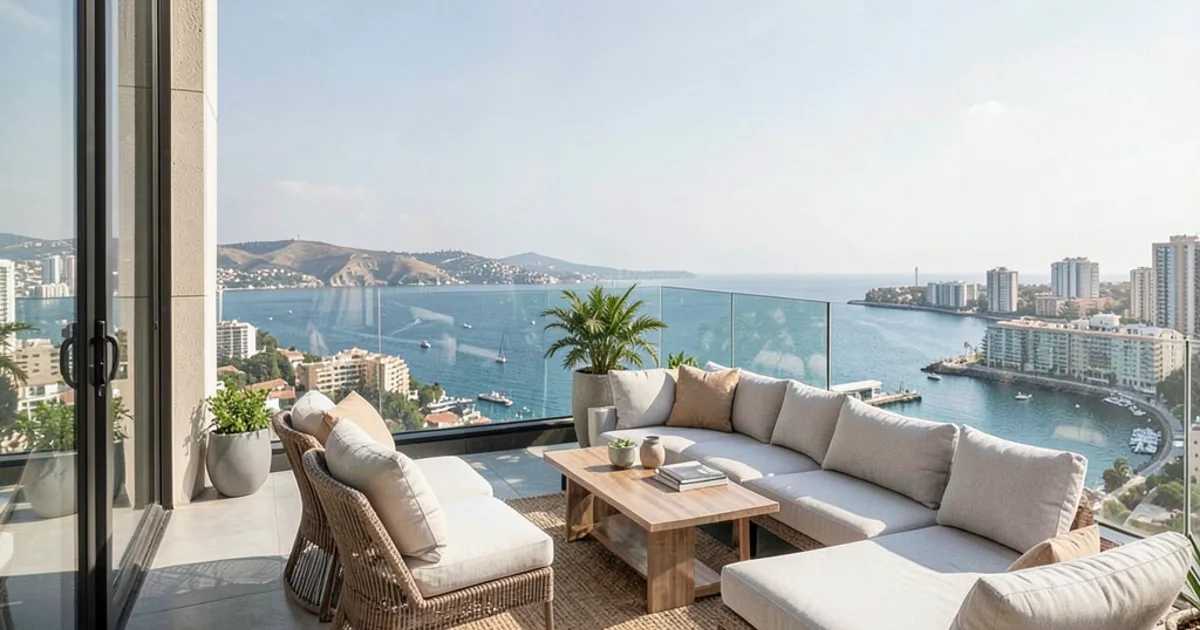
Neve Tzedek stands as a singular jewel within the Tel Aviv landscape, offering a blend of historical prestige and modern sophistication that is virtually unmatched. For the discerning buyer, understanding the price per square meter in this neighborhood requires more than just looking at a number; it requires an appreciation of scarcity and architectural heritage. This guide provides an expert breakdown of what drives these premium valuations and how to navigate the complexities of the local market.
Quick answer: Prices in Neve Tzedek fluctuate based on the specific street and building condition, so there is no single fixed rate. For the most accurate current per-square-meter valuation, you should consult recent local sales data or a professional real estate assessment.
- The Essence of Neve Tzedek Luxury
- Decoding the Price Per Square Meter in Neve Tzedek
- The Role of Heritage and Architectural Restoration
- Critical Value Drivers for Premium Apartments
- The Legal Framework of Acquisition in Israel
- Taxation and Fiscal Responsibilities
- Ongoing Costs of High-End Living
- Market Comparisons: Neve Tzedek vs. Other Districts
- Financing a Premium Property: The Mashkanta Process
- Investment Outlook and Rental Yields
- Mitigating Risks in Neve Tzedek Real Estate
- Strategic Steps for Luxury Buyers
The Essence of Neve Tzedek Luxury
Neve Tzedek is not merely a neighborhood; it is a historical landmark that serves as the cradle of modern Tel Aviv. As the first Jewish neighborhood built outside the walls of Jaffa, it possesses an atmospheric charm characterized by cobblestone streets and low-rise boutique buildings. This historical weight translates directly into real estate value, as the area offers a sense of place that newer, high-rise developments in the city center cannot replicate.
Luxury in Neve Tzedek is defined by a specific type of exclusivity. Unlike the glass-and-steel skyscrapers found in the northern parts of the city, luxury here often manifests as a meticulously restored heritage home or a high-end penthouse within a boutique structure. The scarcity of available land and the strict municipal regulations regarding building heights ensure that the supply of premium properties remains perpetually low, which naturally sustains high price levels.
When investors and residents discuss luxury in this enclave, they are often referring to the intersection of privacy, history, and proximity to the sea. The neighborhood's compact nature means that every square meter is highly contested. This density of prestige creates a unique market dynamic where the value is derived from the 'lifestyle' as much as the physical structure of the apartment itself.
Decoding the Price Per Square Meter in Neve Tzedek
Calculating the price per square meter is the standard metric for evaluating real estate, but in Neve Tzedek, this figure can be highly deceptive if not viewed through a qualitative lens. While a standard apartment in a more residential area might follow a predictable pricing model, Neve Tzedek's premium properties often command a significant markup. This premium is driven by the unique characteristics of the buildings, such as high ceilings, stone masonry, and artisanal finishes.
It is important to understand that in this micro-market, the 'usable' square meterage often carries more weight than the gross area. A smaller, high-ceilinged apartment with a private garden may command a higher price per square meter than a much larger, standard unit in a different part of Tel Aviv. The market rewards the unique over the voluminous, making the price-per-meter metric a reflection of quality and rarity rather than just size.
When comparing prices, one must account for the distinction between renovated boutique buildings and those undergoing modernization. A property that has been fully integrated with modern luxury amenities, such as central climate control, high-end kitchens, and smart-home technology, will sit at the top end of the local price range. Conversely, properties that offer historical character but require updating will reflect a different, though still premium, valuation structure.
- Scarcity of new construction opportunities
- High demand for boutique, low-density living
- The 'prestige premium' of historical locations
- Value of private outdoor spaces and gardens
The Role of Heritage and Architectural Restoration
The architectural DNA of Neve Tzedek is a primary driver of its real estate valuation. Many of the most expensive apartments are housed in buildings that have undergone extensive, professional restoration. These projects aim to preserve the original aesthetic, such as arched windows and stone facades, while integrating the structural integrity and comforts required by modern luxury standards. This careful balance of old and new is what creates the high entry price.
Restoration is a complex and costly process that involves navigating strict municipal guidelines. Developers and owners must work closely with local authorities to ensure that any modifications respect the historical character of the neighborhood. Because these projects require significant capital and specialized expertise, the finished products are inherently positioned in the highest tier of the market, catering to buyers who value authenticity and craftsmanship.
The presence of high ceilings and thick, traditional walls also contributes to the perceived value. These features offer a sense of volume and acoustic privacy that is often missing in contemporary, mass-produced apartment blocks. For the luxury buyer, these architectural nuances are not just aesthetic choices; they are essential components of a premium living experience that justifies the significant investment.
Critical Value Drivers for Premium Apartments
Several specific factors can cause a luxury apartment's price to fluctuate significantly within the Neve Tzedek area. The most prominent of these is the presence of private outdoor space. In a dense urban environment, a private courtyard, a large terrace, or a rooftop garden is an incredibly rare commodity. These spaces can add a substantial percentage to the overall valuation of a property, often exceeding the value of additional indoor square footage.
Proximity to the Mediterranean Sea and views of the coastline also play a vital role. While Neve Tzedek is slightly inland compared to the beachfront, properties that offer even a partial sea view or easy walking access to the promenade are highly coveted. This geographic advantage creates a sub-layer of even higher pricing within the neighborhood, as buyers compete for the most desirable orientations.
Finally, the availability of parking is a major differentiator. In the narrow, historic streets of Neve Tzedek, finding a parking spot is a constant challenge for residents. An apartment that comes with a dedicated, secure parking space in a private garage is exceptionally valuable. For many luxury buyers, the convenience of private parking can be the deciding factor that justifies a significantly higher purchase price.
- Private gardens and courtyard access
- Rooftop terraces and sea views
- Dedicated underground or secure parking
- High-end interior finishes and smart technology
The Legal Framework of Acquisition in Israel
Purchasing luxury real estate in Israel involves a rigorous legal process that requires professional oversight. The first critical step is verifying the property's status in the Tabu (the official Land Registry). It is essential to ensure that the property is correctly registered and that there are no undisclosed liens, mortgages, or legal encumbrances that could complicate the transfer of ownership. A lawyer's role in conducting this due diligence is indispensable.
Once a price is agreed upon, the parties typically sign a binding memorandum, known in Hebrew as a Hovat Heshem. This document is the foundation of the transaction and outlines all terms, including the payment schedule, the handover date, and any conditions that must be met. Because the memorandum is legally binding, it is crucial that every detail, from the exact description of the property to the inclusion of specific fixtures, is accurately documented before signing.
The closing process involves the formal transfer of rights and the payment of various fees. It is common practice to involve a notary for certain aspects of the documentation, especially if the buyer is an international resident. Navigating the complexities of Israeli property law requires a local expert who understands the nuances of the registration process and can protect the buyer's interests throughout the entire lifecycle of the deal.
Taxation and Fiscal Responsibilities
Buyers must be prepared for the various taxes associated with real estate transactions in Israel. The most significant is the Mas Rekhisha, or purchase tax. This tax is calculated on a progressive scale based on the total purchase price. For luxury properties, which often fall into higher price brackets, the Mas Rekhisha can represent a substantial additional cost that must be factored into the initial budget. Understanding the specific tax brackets is vital for accurate financial planning.
On the seller's side, there is the Mas Shevah, which is the capital gains tax. This tax is applied to the profit made from the sale of the property. While there are certain exemptions available for primary residences, luxury investors should be aware that high-value transactions are subject to careful scrutiny by the tax authorities. A professional tax advisor can help both buyers and sellers understand their obligations and optimize their fiscal position.
Beyond the initial purchase, it is important to consider the long-term tax implications. This includes the annual property tax, known as Arnona, which is levied by the municipality. In premium neighborhoods like Neve Tzedek, the Arnona rates are often higher due to the high valuation of the land and the commercial activity in the vicinity. Budgeting for these recurring costs is a necessary part of maintaining a luxury residence.
Ongoing Costs of High-End Living
Owning a luxury apartment in Neve Tzedek involves more than just the mortgage and the purchase price; there are significant ongoing maintenance costs. One of the most prominent is the Va'ad Bayit, or the building committee fee. In boutique luxury buildings, these fees can be quite high to cover the costs of maintaining elevators, security systems, common area landscaping, and professional cleaning services. These fees are essential for preserving the building's premium status.
The Arnona (municipal property tax) is another recurring expense that varies based on the size and type of the property. Because Neve Tzedek is a highly desirable and well-serviced area, the municipal rates reflect the premium nature of the neighborhood. It is wise for prospective owners to request historical Arnona statements to get a realistic expectation of the annual municipal expenditure.
Maintenance of high-end finishes and historical elements also requires a dedicated budget. Whether it is the upkeep of a private garden, the care of stone facades, or the servicing of advanced smart-home systems, luxury living requires consistent investment. Failing to maintain these elements can lead to a rapid depreciation of the property's value and a decline in the overall prestige of the building.
Market Comparisons: Neve Tzedek vs. Other Districts
To understand the market positioning of Neve Tzedek, it is helpful to compare it with other prominent Tel Aviv neighborhoods. For instance, the Florentin area is often seen as the 'up-and-coming' alternative. While Florentin offers a similar urban energy and is seeing rapid appreciation, it lacks the established historical prestige and the high-end, polished atmosphere of Neve Tzedek. The price per square meter in Florentin is generally lower, but the lifestyle is more grit-oriented and less exclusive.
In contrast, neighborhoods like Ramat Aviv offer a very different kind of luxury. Ramat Aviv is characterized by larger, more modern apartment blocks, leafy streets, and a family-oriented atmosphere. While it is a premium area, it does not offer the same compact, boutique, and historical 'urban chic' that defines Neve Tzedek. The market in Ramat Aviv is more focused on space and modern convenience, whereas Neve Tzedek is focused on character and central proximity.
The City Center (the Diamond District and surrounding areas) also competes for attention, but it is often characterized by high-rise commercial and residential towers. While the price per square meter in the city center can be equally high, the experience is vastly different. Neve Tzedek offers a sense of intimacy and a human scale that is often lost in the high-density, high-rise environment of the central business district.
Financing a Premium Property: The Mashkanta Process
Securing financing for a luxury apartment in Neve Tzedek typically involves a Mashkanta, or a mortgage. Israeli banks are generally sophisticated in their handling of luxury real estate, but they also apply rigorous standards for high-value loans. Because the collateral, the property itself, is in a highly stable and prestigious area, banks often view these assets favorably, but the loan-to-value ratios and interest rate structures will depend on the buyer's financial profile.
A crucial aspect of the Mashkanta process is the appraisal. The bank will appoint an independent appraiser to determine the fair market value of the property. In Neve Tzedek, where the value is often tied to unique features like gardens or historical significance, the appraisal must be handled carefully to ensure that the true premium nature of the property is accurately reflected. This appraisal directly influences the amount of financing available to the buyer.
Buyers should also be aware of the down payment requirements. For luxury properties, banks may require a higher equity stake compared to more standard residential purchases. It is essential to have a clear financial plan that accounts for the purchase price, the Mas Rekhisha, legal fees, and the various closing costs to ensure a smooth transaction without unexpected liquidity issues.
Investment Outlook and Rental Yields
From an investment perspective, Neve Tzedek is often viewed as a 'safe haven' asset class. The extreme scarcity of supply combined with the constant demand from both local elites and international buyers creates a resilient market. While no real estate market is immune to broader economic shifts, the unique characteristics of Neve Tzedek tend to insulate it from the more volatile fluctuations seen in less central or less prestigious areas.
The rental market for luxury apartments in this area is also exceptionally strong. High-net-worth individuals and expatriates often seek out Neve Tzedek for its lifestyle appeal, which drives demand for high-end rentals. While the gross rental yields might be lower than in more suburban areas due to the high entry price, the potential for capital appreciation and the stability of the tenant base make it a highly attractive option for long-term investors.
Investors should focus on properties that offer 'rental-ready' luxury features. Apartments that include high-quality appliances, modern security, and perhaps a terrace or garden are more likely to attract premium tenants. In Neve Tzedek, the goal is often to balance the search for immediate rental income with the long-term strategy of asset appreciation in one of the world's most sought-after urban enclaves.
Mitigating Risks in Neve Tzedek Real Estate
Despite the prestige, investing in Neve Tzedek is not without risks. The most significant risk involves the structural integrity of older, historic buildings. While many have been beautifully restored, some properties may have underlying issues related to aging plumbing, electrical systems, or foundation stability. It is imperative to conduct a thorough technical inspection before committing to a purchase, ideally involving a professional engineer specialized in historic structures.
Legal discrepancies can also arise, particularly concerning property boundaries and shared spaces. In many boutique buildings, the distinction between private and common areas (such as a terrace or a garden) can sometimes be ambiguous in the Tabu. Ensuring that the property's legal description matches its physical reality is a critical step in the due diligence process. This is where a local legal expert becomes an essential part of your acquisition team.
Finally, buyers should be mindful of the potential for changes in municipal zoning or building regulations. While the character of Neve Tzedek is well-protected, any shifts in local urban planning can affect the immediate surroundings. Staying informed about local municipality decisions and neighborhood developments can help mitigate the risk of unexpected changes that might impact your property's value or lifestyle.
Strategic Steps for Luxury Buyers
For those looking to enter the Neve Tzedek market, a strategic approach is required. First, define your core priorities: are you looking for historical authenticity, modern convenience, or maximum investment yield? In this neighborhood, you often have to choose between these attributes, as the most perfect properties are the rarest. Having a clear set of non-negotiables will help narrow your search in this highly competitive environment.
Second, build your professional team early. This includes a real estate adviser who understands the nuances of the local micro-markets, a lawyer experienced in Israeli property law, and potentially a technical inspector. Attempting to navigate a luxury transaction in Neve Tzedek without specialized local expertise is a significant risk that can lead to costly mistakes and legal complications.
Lastly, be prepared for a competitive and sometimes rapid-fire market. When a truly exceptional property, one with a private garden, sea views, and impeccable restoration, becomes available, it will likely attract multiple interested parties. Having your financing in order and your legal team ready to move quickly can be the difference between securing your dream home and missing out on a unique opportunity.
FAQ
How is the price per square meter determined in Neve Tzedek?
The price per square meter is influenced by the property's unique features, such as historical value, renovation quality, and the presence of private outdoor spaces. Because scarcity is high, premium attributes like private gardens or sea views can significantly inflate the per-meter rate compared to standard apartments.
Get your personalised shortlist
Listings and up-to-date info, straight to your inbox, free, no obligation.
See Tel Aviv homes →