Rental Market Dynamics in Tel Aviv: Strategies for Property Owners
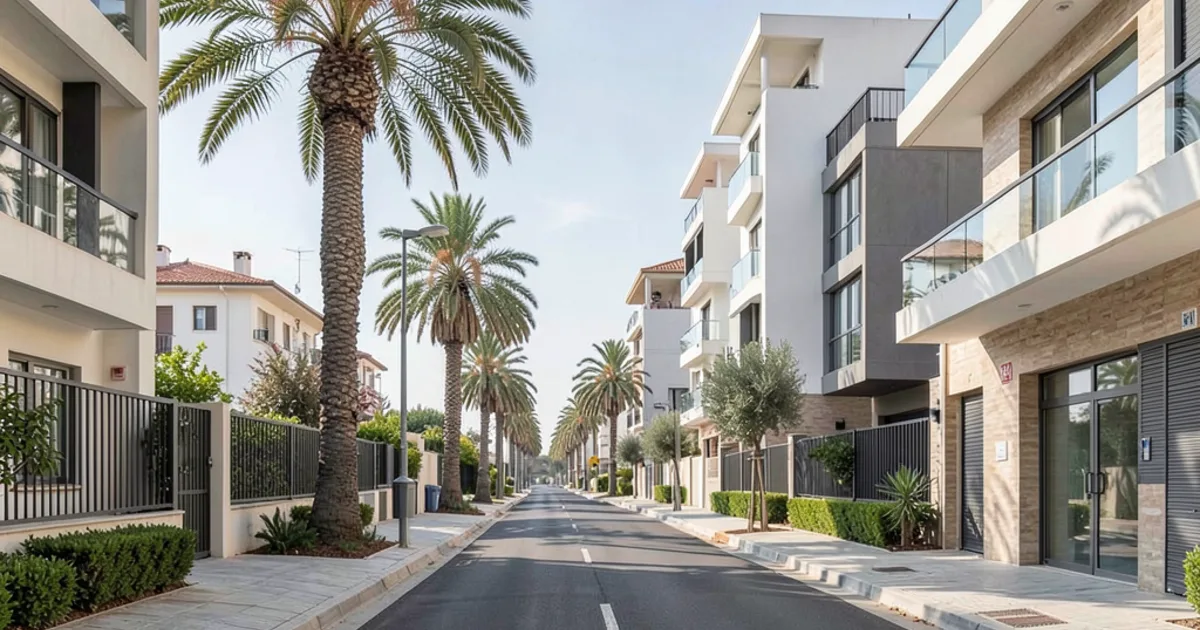
The Tel Aviv rental market is one of the most dynamic and high-pressure real estate environments in the Middle East. For property owners, success depends on understanding the intricate interplay between high-tech economic drivers, neighborhood-specific demand, and a rigorous legal framework. This guide provides a deep dive into the essential strategies required to manage, optimize, and protect your real estate investments in this bustling metropolis.
Quick answer: Rental yields in Tel Aviv vary significantly by neighborhood and property type, generally ranging from moderate to high percentages depending on location. To maximize returns, owners should focus on high-demand areas with strong tenant liquidity and competitive pricing strategies.
- Understanding the Macroeconomic Drivers of the Tel Aviv Rental Market
- Navigating Neighborhood Nuances: Matching Property to Tenant Profiles
- Legal Foundations: Ensuring Title Security and Proper Documentation
- Taxation and Municipal Obligations for Landlords
- Financing Strategies: Managing Mashkanta in a Rental Context
- Tenant Selection and Risk Mitigation
- Property Maintenance and Asset Preservation
- Optimizing Rental Yields through Strategic Upgrades
- Marketing and Visibility in a Competitive Landscape
- Developing a Long-Term Exit and Reinvestment Strategy
Understanding the Macroeconomic Drivers of the Tel Aviv Rental Market
The primary engine driving the Tel Aviv rental market is the city's status as a global high-tech hub. As international companies and local unicorns establish their headquarters here, a massive influx of high-earning professionals creates a constant demand for premium housing. This demographic typically seeks proximity to central business districts, which keeps rental demand high even during broader economic fluctuations. Property owners must recognize that their tenant profile is often tied to the stability and growth of the technology sector.
Supply-side constraints represent the second major driver of market dynamics. Due to the city's geographical limits and strict urban planning regulations, the development of new residential inventory is often slow and highly controlled. This scarcity ensures that demand frequently outstrips supply, providing property owners with significant leverage in negotiating lease terms. However, this also means that the market can be sensitive to any sudden shifts in housing policy or municipal zoning changes.
Furthermore, the presence of international capital and foreign investment plays a subtle but significant role in market liquidity. Many properties in the city are held by investors looking for long-term capital appreciation, which can impact the overall availability of rental stock. Owners should monitor global economic trends and local interest rate shifts, as these factors influence the ability of both tenants and fellow investors to participate in the market. Understanding these macro forces allows for more proactive decision-making.
Key drivers to monitor include:
The growth rate of the local high-tech sector.
Changes in municipal housing policies and zoning laws.
Interest rate fluctuations affecting mortgage affordability.
The influx of international talent and expatriate professionals.
Navigating Neighborhood Nuances: Matching Property to Tenant Profiles
In Tel Aviv, your investment strategy must be dictated by the specific micro-market of your property's neighborhood. For instance, areas like Neve Tzedek offer a completely different demographic than the more residential Ramat Aviv. Neve Tzedek is characterized by historic charm and high-end luxury, attracting affluent professionals and expatriates who are willing to pay a significant premium for character and prestige. Owners here should focus on high-spec finishes and maintaining the historic integrity of the building.
Conversely, neighborhoods like Florentin and parts of Jaffa appeal to a younger, more bohemian, or creative demographic. These areas often see higher turnover rates and a preference for modern, functional living spaces that cater to a fast-paced lifestyle. While the rental yields might differ from the luxury sectors, the high demand from the 'creative class' ensures a steady stream of potential tenants. Property owners in these areas should prioritize durability and trendy, low-maintenance aesthetics.
Ramat Aviv and the northern districts cater to a more established, family-oriented demographic. These tenants typically seek stability, larger floor plans, and proximity to good schools and quiet parks. In these neighborhoods, the rental strategy should focus on long-term lease stability and providing amenities that appeal to families, such as extra storage or proximity to green spaces. Understanding these distinctions prevents the common mistake of marketing a luxury property to a demographic seeking budget-friendly urban living.
Neighborhood profiles at a glance:
Neve Tzedek: High-end, historic, luxury-focused.
Florentin/Jaffa: Trendy, high-turnover, creative demographic.
Ramat Aviv: Family-oriented, stable, residential.
City Center: High-density, professional, proximity-driven.
Legal Foundations: Ensuring Title Security and Proper Documentation
Before any rental agreement is signed, a property owner must ensure absolute clarity regarding the property's legal status. The most critical step is verifying the property's registration in the Tabu land registry. The Tabu serves as the definitive record of ownership and any existing liens or encumbrances on the property. Attempting to manage a rental without confirming the status in the Tabu can lead to catastrophic legal disputes regarding ownership rights and the validity of the lease.
Once ownership is verified, the drafting of the binding memorandum or the formal lease agreement must be handled with precision. This document is not merely a formality; it is the primary tool for dispute resolution. A well-drafted agreement should clearly outline the responsibilities of both the landlord and the tenant, including maintenance duties, payment schedules, and clauses regarding the use of the property. It is highly recommended to have a legal professional review these documents to ensure they comply with local rental laws.
Owners must also be aware of the nuances involving the 'binding memorandum' in the context of property transactions. If you are purchasing a property specifically to rent it out, the terms agreed upon during the purchase phase can affect your subsequent rental operations. Ensuring that all rights, such as the right to sublet or the ability to renovate, are explicitly secured in the initial purchase contract is vital for long-term success. Legal diligence at the outset saves significant time and expense in the future.
Taxation and Municipal Obligations for Landlords
Managing a rental property in Tel Aviv involves navigating several layers of taxation and municipal fees. One of the most immediate recurring costs is the Arnona, the municipal property tax. Arnona is calculated based on the size and usage of the property, and it is typically the responsibility of the owner to ensure it is paid, though many landlords include provisions in the lease to pass this cost to the tenant. Failure to manage Arnona effectively can lead to municipal liens and significant penalties.
When considering the acquisition of a rental property, owners must account for Mas Rekhisha, or purchase tax. This tax is a significant upfront cost that can impact the overall return on investment. The rate of Mas Rekhisha varies depending on whether the property is being purchased as a primary residence or an investment property. Investors must factor these costs into their initial capital outlay to ensure their projected yields remain realistic and sustainable.
The most substantial tax consideration for long-term owners is Mas Shevah, which is the capital gains tax applied upon the sale of the property. If you decide to exit your investment, the government will claim a percentage of the profit made from the appreciation of the property. Understanding how Mas Shevah is calculated, including any potential exemptions or deductions for improvements made to the property, is essential for accurate exit planning. A thorough understanding of these tax implications prevents unexpected financial shortfalls during the sale process.
Key tax and fee considerations:
Arnona: Monthly or annual municipal tax based on property size.
Mas Rekhisha: Upfront purchase tax for investors.
Mas Shevah: Capital gains tax upon the eventual sale of the asset.
Financing Strategies: Managing Mashkanta in a Rental Context
Most property owners in Tel Aviv utilize a Mashkanta, or mortgage, to finance their acquisitions. This introduces a layer of financial complexity, as the rental income must be managed against the mortgage repayment schedule. Owners must carefully calculate the debt-to-income ratio to ensure that the rental yield provides sufficient coverage for the interest and principal payments. A property that seems profitable on paper may become a liability if the interest rates on the Mashkanta rise significantly.
The structure of the Mashkanta can vary wildly, with different interest rate tracks, fixed, floating, or variable. In a market where interest rates can fluctuate, choosing the right track is a strategic decision that affects long-term cash flow. Some owners prefer the stability of a fixed rate to ensure predictable monthly expenses, while others may opt for variable rates if they anticipate a short holding period. This decision should be made in consultation with a financial expert who understands the local lending environment.
Leverage is a powerful tool, but it must be used with caution. While a Mashkanta allows an owner to control a high-value asset with a relatively small amount of equity, it also increases the risk profile of the investment. If a vacancy occurs, the owner is still responsible for the mortgage payments. Therefore, maintaining a cash reserve specifically for mortgage coverage during periods of vacancy is a fundamental principle of prudent property management in Tel Aviv.
Tenant Selection and Risk Mitigation
The quality of your tenant is often more important than the price of the rent. In the fast-paced Tel Aviv market, it can be tempting to sign the first qualified-looking candidate to avoid vacancy. However, rigorous vetting is the only way to mitigate the risk of non-payment or property damage. A professional vetting process should include checking the tenant's employment stability, reviewing their creditworthiness, and obtaining references from previous landlords. In many cases, requesting a bank guarantee is a standard and necessary practice.
A bank guarantee provides a layer of security that a simple check might not. It ensures that if a tenant defaults on their obligations, the landlord has a direct way to recover funds through the banking system. While some tenants may find this requirement burdensome, it is a common practice in the local market and serves as a litmus test for the tenant's financial seriousness. Owners should be prepared to explain this requirement as a standard part of their professional management process.
Beyond financial vetting, consider the lifestyle compatibility of the tenant with the property type. For example, a tenant with a large family might not be the best fit for a compact, high-end studio in the city center, just as a high-energy socialite might not be suitable for a quiet residential building in Ramat Aviv. Matching the tenant's expected lifestyle to the property's natural characteristics reduces the likelihood of noise complaints and friction with neighbors, which preserves the long-term value of the building.
Property Maintenance and Asset Preservation
Maintaining the value of a Tel Aviv property requires a proactive rather than reactive approach. The coastal environment and the high density of urban living can take a toll on building exteriors and interior systems like air conditioning and plumbing. Owners should establish a regular maintenance schedule to address minor issues before they escalate into costly repairs. This includes checking for humidity-related issues, common in the Mediterranean climate, and ensuring that all electrical systems are up to code.
Effective property management often involves working with a network of reliable local contractors. Whether it is an electrician, a plumber, or a specialized renovation professional, having access to trusted service providers ensures that repairs are completed quickly and to a high standard. Rapid response to maintenance requests is also a key factor in tenant retention; a tenant who feels their concerns are being addressed is much more likely to renew their lease and care for the property.
Furthermore, owners should be mindful of the shared responsibilities within a building. In many Tel Aviv apartment blocks, there are common areas and shared utilities that require collective management. Understanding the building's bylaws and participating in the management of common spaces helps prevent the degradation of the building's overall aesthetic and functional quality. A well-maintained building not only attracts better tenants but also supports higher property appreciation over time.
Optimizing Rental Yields through Strategic Upgrades
To command premium rents, owners must often look beyond basic maintenance and consider strategic capital improvements. Renovating high-impact areas such as the kitchen and bathrooms can significantly increase the perceived value of a property. In the Tel Aviv market, modern, sleek, and functional kitchens are a major selling point for the professional demographic. Even relatively small upgrades, such as installing high-quality lighting or modern flooring, can move a property into a higher rental bracket.
However, the key to successful upgrades is ensuring a high return on investment (ROI). It is easy to overspend on luxury finishes that do not actually translate to higher rent. Owners should conduct market research to see what specific amenities are currently in high demand in their specific neighborhood. For example, in a tech-heavy area, high-speed fiber optic readiness and smart-home integration might offer a better ROI than expensive marble countertops.
Climate control is another critical area for investment. Given the heat of the Israeli summer, high-efficiency air conditioning systems are not a luxury but a necessity. Investing in modern, quiet, and energy-efficient AC units can reduce the tenant's utility costs and improve their overall comfort, making your property more competitive. Always aim for upgrades that balance aesthetic appeal with functional longevity and energy efficiency.
Marketing and Visibility in a Competitive Landscape
In a market as crowded as Tel Aviv, how you present your property can determine how quickly it is leased and at what price. High-quality, professional photography is non-negotiable. Potential tenants often make their first impression through digital listings, and poorly lit or cluttered photos can immediately disqualify a property. Images should highlight the property's best features, such as natural light, views, or unique architectural details, to capture attention in a crowded feed.
Utilizing the right platforms and local agencies is equally important. While many owners attempt to manage listings themselves, working with a reputable local agency can provide access to a wider network of qualified tenants and professional marketing tools. An agency can also provide insights into current market pricing, ensuring you do not underprice your asset or price yourself out of the market entirely. They also handle the initial influx of inquiries, saving the owner significant time.
Digital presence should extend beyond just listing photos. Creating a compelling description that speaks to the lifestyle offered by the neighborhood can be very effective. Instead of just listing the number of rooms, describe the experience of living there, the proximity to the beach, the vibrant cafe culture in Florentin, or the quiet streets of Ramat Aviv. This lifestyle-centric marketing approach resonates deeply with the modern urban tenant.
Developing a Long-Term Exit and Reinvestment Strategy
Every real estate investment should be viewed through the lens of its eventual exit. Owners should constantly evaluate whether the property is still meeting their financial objectives. Is the rental yield still competitive? Is the capital appreciation keeping pace with the market? If a property's maintenance costs are rising or the neighborhood's demand is shifting, it may be time to consider selling and reallocating capital into a more lucrative asset.
When preparing for an exit, the focus shifts from tenant satisfaction to maximizing sale price. This involves ensuring the property is in peak condition and that all legal documentation, including the Tabu and any recent renovation permits, is perfectly in order. A clean, well-documented property sale is much more likely to attract serious buyers and close smoothly without last-minute negotiations or legal hurdles.
Finally, owners should consider the tax implications of their exit. As previously mentioned, Mas Shevah will apply to the profit made. Planning the sale in a way that optimizes your tax position, perhaps by timing the sale to coincide with certain fiscal cycles or by documenting all capital improvements to increase the cost basis, can significantly impact your net proceeds. A strategic exit is not just about selling; it is about maximizing the total wealth generated by the investment lifecycle.
FAQ
How does the Arnona affect my rental income?
Arnona is a recurring municipal tax that must be paid to the Tel Aviv municipality. While many landlords include this in the total rent, it is essential to account for it in your initial yield calculations to ensure your net profit remains accurate.
What is the importance of the Tabu land registry?
The Tabu is the official government registry that confirms legal ownership of a property. Verifying the Tabu ensures that you have the legal right to lease the property and that there are no hidden liens or claims that could jeopardize your investment.
Should I choose short-term or long-term rental strategies?
Short-term rentals can offer higher gross yields but come with significantly higher turnover costs and management intensity. Long-term rentals provide more stability and predictable cash flow, which is often preferred by those using a Mashkanta.
How can I protect myself against tenant non-payment?
The most effective way to mitigate risk is through a rigorous vetting process and the requirement of a bank guarantee. A bank guarantee provides a direct way to recover funds if the tenant fails to meet their contractual obligations.
Get your personalised shortlist
Listings and up-to-date info, straight to your inbox, free, no obligation.
See Tel Aviv homes →