Tel Aviv neighbourhoods: which is right?
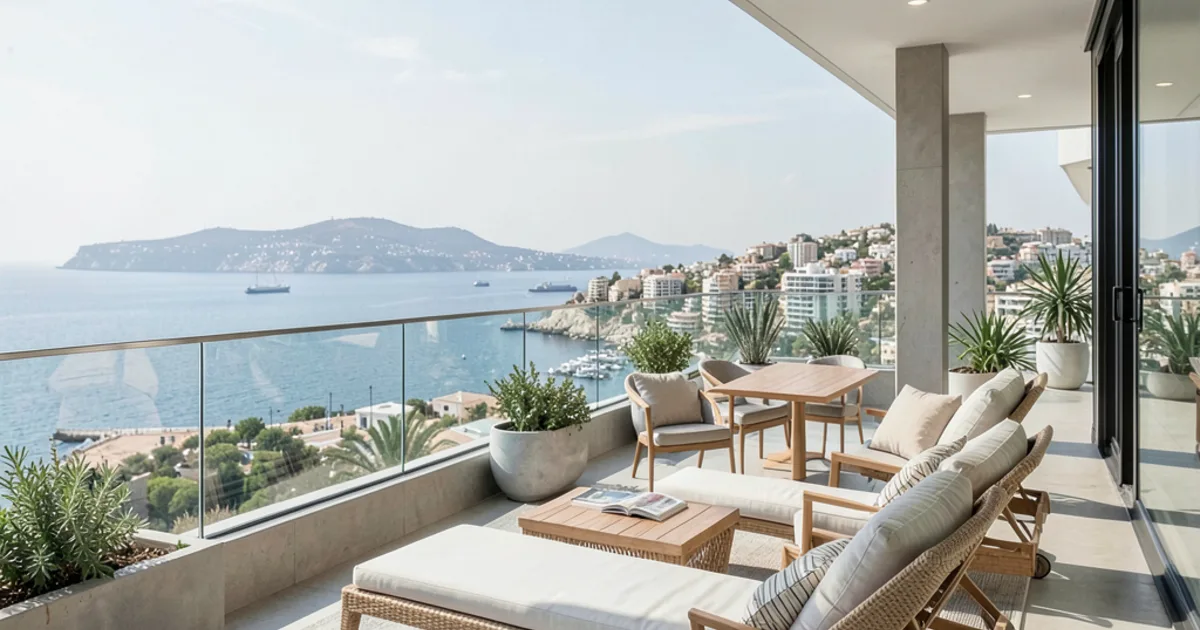
Choosing a neighbourhood in Tel Aviv is a decision that shapes your entire lifestyle, social circle, and daily rhythm. The city is not a uniform monolith but a complex tapestry of distinct micro-climates, ranging from the historic alleys of Jaffa to the leafy, quiet streets of Ramat Aviv. For many, the search begins with a desire for the Mediterranean sun, but it quickly evolves into a search for the right balance of convenience, community, and long-term value. This guide provides a deep dive into the most prominent districts to help you navigate your journey toward finding the perfect Tel Aviv home.
Quick answer: Tel Aviv is a major metropolitan area that includes the city center and surrounding suburbs like Ramat Gan, Bnei Brak, and Petah Tikva. These adjacent municipalities offer varied living costs and amenities, making them distinct choices for residents seeking alternatives to the central city.
- The Diverse Mosaic of Tel Aviv Real Estate
- Neve Tzedek: The Pinnacle of Boutique Luxury
- The City Centre: Urban Vitality and Connectivity
- Florentin: The Creative and Gritty Heartbeat
- Jaffa: Where Ancient History Meets the Sea
- Ramat Aviv: The Preferred Choice for Families
- Understanding Mas Rekhisha and Financial Obligations
- Securing Legal Certainty via the Tabu and Contracts
- Managing Monthly Costs: Arnona and Maintenance
- Navigating the Mashkanta and Financing Landscape
- Integrating into the Local Fabric and Community
- Final Decision Matrix for Prospective Buyers
The Diverse Mosaic of Tel Aviv Real Estate
Tel Aviv is a city defined by its contradictions and its incredible variety. Unlike many global metropolises that feel centralized, Tel Aviv functions as a collection of small villages, each with its own distinct personality, architectural style, and social demographic. To find the right neighbourhood, one must first understand that the 'right' choice is entirely subjective and depends on your specific priorities in life.
Some residents prioritize the ability to walk to a high-end boutique cafe or a bustling art gallery, while others seek the sanctuary of a quiet street where the sound of the sea is more prominent than the sound of traffic. The real estate market here reflects these diverse needs, offering everything from historic, single-family homes to modern, high-rise luxury apartments. Understanding these nuances is the first step in avoiding a mismatch between your lifestyle and your location.
The geography of the city also plays a massive role in how neighbourhoods feel. Proximity to the coastline can significantly influence both the micro-climate and the property values, creating a spectrum from the high-energy beach zones to the more inland, residential hubs. As you begin your search, it is essential to view the city through several different lenses: social, economic, and functional.
Furthermore, the concept of 'value' in Tel Aviv is multifaceted. It is not merely about the purchase price, but about the lifestyle yield, the accessibility to amenities, and the potential for long-term stability. By looking beyond the surface level of a property listing, you can begin to identify which pockets of the city align with your long-term goals and your immediate daily needs.
- Identify your primary driver: lifestyle, investment, or proximity to work.
- Consider the impact of noise and density on your daily well-being.
- Evaluate the importance of proximity to public transport versus private parking.
Neve Tzedek: The Pinnacle of Boutique Luxury
Neve Tzedek stands as a testament to history and meticulous preservation. As one of the first Jewish neighborhoods built outside the walls of Jaffa, it possesses a romantic, boutique atmosphere that is virtually unmatched in the city. The streets are narrow, often paved with stone, and lined with beautifully restored single-family homes that exude a sense of timeless elegance.
Living in Neve Tzedek is a lifestyle choice for those who appreciate aesthetics and a sense of community. The area is characterized by high-end art galleries, intimate dining experiences, and a slower, more intentional pace of life. It is a place where the historical charm of the architecture meets a modern, sophisticated social scene, making it highly desirable for professionals and collectors of fine real estate.
However, prospective buyers must be prepared for the unique challenges of this historic district. Because the buildings are often quite old, maintenance and renovation can be more complex than in newer developments. Additionally, the high demand for this specific aesthetic means that entry prices are significantly higher than in many other parts of the city, reflecting its status as a premium enclave.
Space is also a luxury here. Many of the most charming properties are smaller in scale, designed for intimate living rather than expansive family life. If your goal is to own a piece of history and live within walking distance of the most prestigious cultural spots, Neve Tzedek is likely your premier option, provided you are comfortable with the higher cost of entry and the complexities of historic preservation.
The City Centre: Urban Vitality and Connectivity
For those who thrive on energy and constant movement, the City Centre offers an unparalleled urban experience. This area is the heartbeat of Tel Aviv, where the pulse of commerce, culture, and nightlife is most intense. It is characterized by a high density of apartment buildings, ranging from mid-century blocks to modern construction, catering to a diverse population of young professionals and urbanites.
The primary advantage of the City Centre is its extreme connectivity. Most residents find that they can reach almost any part of the city via public transport, cycling, or walking. The proximity to major boulevards, shopping districts, and the beach creates a lifestyle where everything you need is within a short radius. This convenience is a major draw for those who prefer a car-free or low-car lifestyle.
However, this level of activity comes with inherent trade-offs. The noise levels can be substantial, particularly on weekends or during late-night hours, and the streets can feel crowded. For some, the constant buzz is invigorating; for others, it can be overwhelming. It is vital to visit your potential street at different times of the day and night before making a commitment.
The real estate landscape here is also characterized by rapid turnover and high competition. Because the area is so central, it attracts a constant stream of renters and buyers, which can lead to a dynamic but sometimes volatile market. If you value being at the center of the action and want to be steps away from the city's most iconic landmarks, the City Centre is your ideal match.
- Ideal for: Young professionals, socialites, and those seeking maximum convenience.
- Key benefit: Unbeatable access to transport, dining, and culture.
- Key drawback: Higher noise levels and potential lack of quiet residential pockets.
Florentin: The Creative and Gritty Heartbeat
Florentin has earned a reputation as the creative soul of Tel Aviv, a neighbourhood that blends a gritty, industrial past with a vibrant, contemporary art scene. It is a place of street art, underground clubs, and a bohemian spirit that attracts artists, musicians, and entrepreneurs. The atmosphere is decidedly less polished than Neve Tzedek, offering a raw and authentic urban experience.
This neighbourhood is undergoing significant transformation. What was once a purely working-class area is increasingly becoming a hub for gentrification, as more creative professionals seek out its character and relatively more accessible price points compared to the luxury districts. This makes Florentin an interesting area for those looking for a neighbourhood with a strong, evolving identity.
Prospective residents should be aware that Florentin is a high-energy area. The nightlife can be quite intense, and the streets often reflect the neighbourhood's unrefined character. It is not a place for those seeking quiet, manicured streets or traditional suburban comforts. Instead, it offers a sense of edge and spontaneity that is hard to find elsewhere.
From an investment perspective, Florentin has long been viewed as a high-potential area. As the surrounding neighbourhoods continue to rise in price, the creative energy of Florentin acts as a magnet for new developments and commercial interest. If you are looking for a place that feels 'alive' and offers a sense of cultural immersion, Florentin is a compelling choice.
Jaffa: Where Ancient History Meets the Sea
Jaffa offers a completely different dimension of living, blending ancient history with a stunning Mediterranean coastline. As one of the oldest port cities in the world, Jaffa's Old City is a labyrinth of stone alleys, historic churches, and breathtaking views of the sea. This creates a sense of place that is deeply rooted in the past, offering a level of character that modern developments simply cannot replicate.
Living in Jaffa can mean several different things depending on the specific pocket you choose. The Old City is highly touristic and historic, perfect for those who want to live within a museum-like atmosphere. Meanwhile, the more modern residential parts of Jaffa offer a more contemporary urban feel while still benefiting from the proximity to the sea and the historic charm of the area.
The lifestyle in Jaffa is often more relaxed than in the central Tel Aviv districts. There is a unique rhythm here, influenced by the sea and the historical weight of the surroundings. It is a place where you can find excellent seafood restaurants, local markets, and quiet corners overlooking the Mediterranean, making it ideal for those seeking a blend of history and coastal living.
However, buyers should conduct thorough due diligence regarding the specific property and its surroundings. The mix of residential, commercial, and touristic uses in Jaffa can lead to variations in street activity and noise. Additionally, the heritage status of many buildings can influence renovation possibilities. For those who crave soul, history, and sea breezes, Jaffa is an unparalleled option.
Ramat Aviv: The Preferred Choice for Families
For those seeking a more tranquil and structured environment, Ramat Aviv is often the premier choice. This neighbourhood is widely regarded as one of the most prestigious residential areas in Tel Aviv, known for its greenery, quiet streets, and family-oriented atmosphere. It offers a level of calm and stability that is difficult to find in the more central, high-density districts.
The infrastructure in Ramat Aviv is designed for long-term residency. The area is home to excellent schools, parks, and community centers, making it a natural hub for families. The architecture tends to be more spacious, with many properties offering more square footage and better layouts for multi-person households. It is a neighbourhood where you can truly settle down and build a long-term community.
While it is much quieter than the City Centre or Florentin, Ramat Aviv does not lack for amenities. It possesses its own local commercial strips, high-quality supermarkets, and various leisure facilities. It provides a sense of being in a 'suburb within the city,' offering the peace of a residential enclave while maintaining easy access to the broader Tel Aviv metropolis.
The trade-off for this tranquility is typically a higher price point and a more traditional social structure. The area is highly sought after by established families and professionals, which can lead to a more conservative and predictable atmosphere. If your priority is a safe, green, and quiet environment for raising a family or enjoying a peaceful retirement, Ramat Aviv is an excellent candidate.
- Ideal for: Families, professionals seeking quiet, and long-term residents.
- Key benefit: High quality of life, greenery, and excellent educational facilities.
- Key drawback: More traditional atmosphere and higher entry costs.
Understanding Mas Rekhisha and Financial Obligations
Navigating the real estate market in Israel requires a clear understanding of the tax landscape. One of the most significant costs you will encounter is Mas Rekhisha, also known as the purchase tax. This is a tax paid by the buyer to the state, and the amount is calculated based on the purchase price of the property and the buyer's status.
It is crucial to understand that the Mas Rekhisha rates are tiered. For example, the tax rate for a first-time buyer purchasing a primary residence may differ significantly from the rate applied to an investor purchasing a secondary property. Failing to account for these tiers can lead to substantial budgeting errors during your acquisition process.
In addition to the purchase tax, you must also consider the implications of Mas Shevah, or capital gains tax. This tax is relevant when you eventually decide to sell your property. It is calculated based on the difference between the price you paid for the property and the price at which you sell it, though there are certain exemptions for primary residences that you should discuss with a professional.
Beyond these direct taxes, always budget for ancillary costs such as legal fees, notary services, and potentially brokerage fees. A well-planned financial strategy should account for these variables from the outset to ensure that your move is not derailed by unexpected fiscal obligations.
Securing Legal Certainty via the Tabu and Contracts
In the Israeli real estate market, legal due diligence is not optional; it is fundamental. The most important entity to be aware of is the Tabu, the official land registry. The Tabu is the ultimate authority on property ownership and any encumbrances, such as mortgages or liens, that may be attached to a property. Ensuring that a property is properly registered in the Tabu is a critical step in any transaction.
A common mistake for novice buyers is to rely solely on verbal agreements or informal documents. All significant real estate transactions must be governed by a binding memorandum, often referred to as a contract. This document outlines the terms of the sale, the payment schedule, the closing date, and the responsibilities of both the buyer and the seller.
It is highly recommended that you engage a qualified lawyer to review the binding memorandum before you sign. A lawyer will ensure that the contract protects your interests, verifies the seller's right to sell, and checks for any underlying legal issues that could complicate your ownership. This includes checking for zoning issues or pending municipal claims that might not be immediately obvious.
Furthermore, the process of transferring ownership involves several formal steps to ensure the title is clear and undisputed. From verifying the property's status in the Tabu to ensuring all municipal taxes are settled, the legal path is rigorous. Following these formal procedures is the only way to secure your investment and provide peace of you peace of mind.
Managing Monthly Costs: Arnona and Maintenance
Owning property in Tel Aviv involves ongoing monthly expenses that extend far beyond your mortgage payments. One of the most prominent recurring costs is Arnona, the municipal property tax. Arnona is paid to the municipality and is used to fund local services such as garbage collection, street lighting, education, and urban maintenance.
The amount of Arnona you pay is typically calculated based on the size of the property (in square meters) and its usage type (residential, commercial, etc.). In a high-density city like Tel Aviv, Arnona rates can be a significant part of your monthly budget. It is important to ask about the current Arnona rate for a specific property before you commit to a purchase.
In addition to Arnona, if you are purchasing an apartment in a managed building, you will be responsible for 'Va'ad Bayit' or building maintenance fees. These fees cover the upkeep of common areas, such as the elevator, the lobby, cleaning services, and sometimes even security or pool maintenance. In many modern luxury buildings, these fees can be quite substantial.
When calculating your total cost of living, always create a comprehensive list of these recurring expenses. This includes electricity, water, internet, and any potential building management costs. A realistic budget must account for these 'hidden' costs to ensure that your lifestyle remains sustainable in the long term.
Navigating the Mashkanta and Financing Landscape
For most buyers, purchasing property in Tel Aviv involves securing a Mashkanta, which is the local term for a mortgage. The financing landscape in Israel is structured around specific banking regulations and interest rate models. Understanding how these work is essential to ensuring you can manage your debt comfortably over the life of the loan.
Mortgages in Israel are often structured with different interest rate components, such as fixed rates, floating rates, or rates linked to the Consumer Price Index (CPI). The choice between these options can have a profound impact on your monthly payments and your total interest paid over time. A decision that seems attractive today based on low current rates could become much more expensive if inflation rises.
Before you begin viewing properties, it is a prudent step to obtain a pre-approval from a bank or a mortgage advisor. This gives you a clear idea of your purchasing power and allows you to move more decisively when you find the right home. In a fast-paced market like Tel Aviv, having your financing in place can be a significant competitive advantage.
Remember that the Mashkanta process involves more than just getting a loan; it requires a thorough assessment of your financial health by the lending institution. They will look at your income, your existing debts, and your overall stability. Approaching this process with transparency and preparation will help you secure the best possible terms for your future home.
Integrating into the Local Fabric and Community
Moving to a new city or even a new neighbourhood is as much a social transition as it is a physical one. To truly feel at home in Tel Aviv, it is helpful to engage with the local community and the broader culture. This integration can make the difference between feeling like a visitor and feeling like a resident.
For many newcomers, learning the language is a vital part of this process. Enrolling in an Ulpan, a Hebrew language school, is a common and effective way to build foundational skills. Even a basic command of Hebrew can significantly enhance your ability to navigate daily life, interact with neighbours, and understand the nuances of local bureaucracy and commerce.
Beyond language, participating in local activities, whether it's a neighborhood walking tour, a community garden, or local cultural events, can help you build a social network. Tel Aviv is a city of connections, and while it can sometimes feel anonymous, there are countless ways to find your 'tribe' once you start looking.
Understanding the social etiquette and the local rhythm of life will also help you settle in more smoothly. Every neighbourhood has its own unwritten rules and social norms. By being observant and proactive in your social engagement, you can turn a new house into a true home within the vibrant Tel Aviv community.
Final Decision Matrix for Prospective Buyers
In conclusion, there is no single 'best' neighbourhood in Tel Aviv; there is only the neighbourhood that is best for you. To make your final decision, you must synthesize all the information you have gathered: the lifestyle of the area, the financial implications, the legal considerations, and the long-term practicalities of living there.
We recommend creating a weighted checklist of your priorities. If your primary goal is family stability, Ramat Aviv should move to the top of your list. If you are driven by career proximity and urban energy, the City Centre or Florentin might be your strongest candidates. If you seek historical depth and a coastal connection, Jaffa or Neve Tzedek should be your focus.
Do not rush the process. The Tel Aviv market can be intense, but making a rushed decision can lead to long-term dissatisfaction. Take the time to visit your potential neighbourhoods at different times of day, speak with current residents if possible, and always consult with professionals regarding the legal and financial aspects of your purchase.
By approaching your search with both passion and pragmatism, you will be well-positioned to find a home that not only meets your current needs but also supports your future aspirations. Tel Aviv is a city of endless possibility, and the right neighbourhood is waiting to become the backdrop of your new life.
- Review your priority list: Lifestyle vs. Investment vs. Family.
- Conduct 'on-the-ground' visits at various times of the day.
- Finalize your budget including Mas Rekhisha, Arnona, and maintenance.
- Consult with legal and financial experts before signing any documents.
FAQ
What is the main difference between Mas Rekhisha and Mas Shevah?
Mas Rekhisha is the purchase tax paid by the buyer at the time of acquisition, while Mas Shevah is the capital gains tax paid by the seller on the profit made from the sale. Both are critical to calculate when planning your real estate budget.
How can I verify that a property is legally registered?
You should request a document from the Tabu (the official land registry) to confirm the property's ownership and check for any existing liens or mortgages. This is a standard part of the due diligence process performed by your lawyer.
Is it necessary to learn Hebrew before moving to Tel Aviv?
While many people in Tel Aviv speak English, learning Hebrew through an Ulpan will significantly improve your ability to navigate local services, understand municipal documents, and integrate into the community. It is highly recommended for long-term residents.
What are the typical recurring costs of owning an apartment?
Beyond your mortgage, you should expect to pay Arnona (municipal tax), Va'ad Bayit (building maintenance fees), and standard utility costs like electricity and water. Always ask for estimates of these costs before making a final decision.
Get your personalised shortlist
Listings and up-to-date info, straight to your inbox, free, no obligation.
See Tel Aviv homes →