Technology and Smart Home Integration in Tel Aviv Real Estate
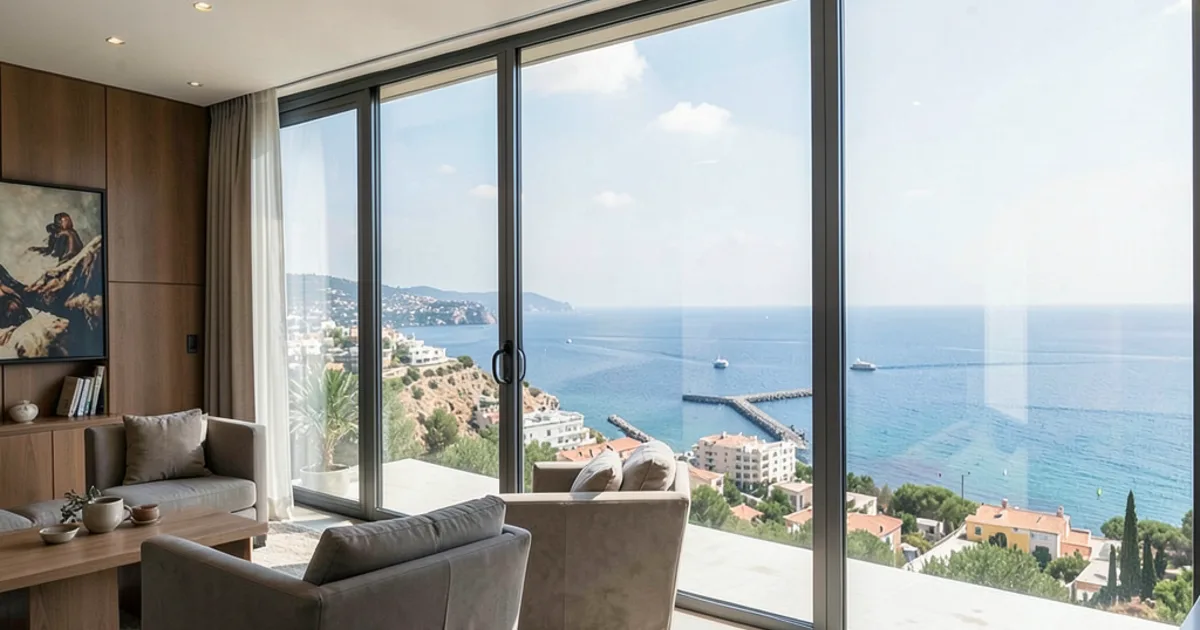
The skyline of Tel Aviv is a constant interplay between historic charm and cutting-edge innovation. For residents and investors, this intersection is most visible in the rapid integration of smart home technology into the local real estate market. Understanding how automation, IoT, and digital connectivity influence property value and lifestyle is essential for anyone navigating this unique urban landscape. This guide explores the complexities of modernizing Tel Aviv homes, from the narrow streets of Jaffa to the luxury towers of the city center.
Quick answer: The Israeli smart home market prioritizes robust protocol interoperability to manage diverse local and global hardware ecosystems. Scalability is achieved through modular architectures that adapt to Tel Aviv's high-density housing structures. Long-term technical support relies on established local vendors who provide consistent maintenance and software updates for integrated systems.
- The Evolution of Living in Tel Aviv's Urban Landscape
- Smart Integration in Historic Neighborhoods: Neve Tzedek and Jaffa
- Modern Luxury and Automation in High-Rise Developments
- The Impact of IoT on Property Value and Investment Potential
- Navigating Legalities and Smart Infrastructure in the Tabu
- Connectivity and Energy Efficiency in Tel Aviv's Mediterranean Climate
- Security Systems and Digital Privacy in High-Density Living
- The Role of Smart Tech in Managing Rental Properties
- Cost Implications: Mas Rekhisha, Renovations, and Tech Upgrades
- Future-Proofing Your Tel Aviv Residence
- Integrating Smart Tech with Local Utilities and Arnona
- Checklist for Buyers: Assessing Tech Readiness in a Tel Aviv Home
The Evolution of Living in Tel Aviv's Urban Landscape
Tel Aviv has long been recognized as a global hub for technological advancement, a reputation that has naturally bled into its residential sectors. What began as a city of traditional apartment blocks is rapidly transitioning into a landscape of interconnected living spaces. This shift is driven by a highly tech-savvy population that demands seamless integration between their professional digital lives and their domestic environments. As a result, the definition of a 'modern home' in the city is being rewritten daily.
The demand for smart connectivity is no longer a niche luxury reserved for the ultra-wealthy; it is becoming a baseline expectation for new developments. From automated lighting to intelligent climate control, the infrastructure of the city is evolving to support a lifestyle of convenience and efficiency. This evolution is not merely about gadgets, but about how technology enhances the density and pace of urban living. Residents seek ways to reclaim time and manage their environments with minimal friction.
For those looking to enter the market, recognizing this trend is vital for long-term planning. The distinction between a standard apartment and a tech-enabled residence can significantly impact the speed of resale and the caliber of tenants attracted to a property. As the city continues to densify, the ability to manage a small footprint through smart automation becomes an increasingly valuable asset. This trend is reshaping how developers approach construction and how buyers approach their search.
- Transition from traditional utility to integrated IoT ecosystems.
- Increased demand for remote-access capabilities in high-density areas.
- The shift toward 'lifestyle-first' residential design.
Smart Integration in Historic Neighborhoods: Neve Tzedek and Jaffa
Navigating the integration of smart technology in historic districts like Neve Tzedek or Jaffa presents a unique set of challenges. These areas are characterized by beautiful, thick stone walls and architectural layouts that date back decades, if not centuries. Traditional wiring methods used in modern construction are often impossible to implement here without risking damage to the structural integrity or the aesthetic heritage of the building. Consequently, the approach to smart homes in these neighborhoods must be much more surgical and non-invasive.
To overcome these physical barriers, professionals often rely on wireless mesh networks and low-energy protocols such as Zigbee or Z-Wave. These technologies allow for the installation of smart sensors, light switches, and thermostats without the need to chase wires through ancient masonry. This wireless-first approach preserves the historical character of the property while providing the modern convenience residents expect. It is a delicate balance between honoring the past and embracing the future of domestic life.
Investors should be particularly cautious when purchasing older properties with the intention of modernizing them. The cost of specialized labor required to install tech in a sensitive environment can be higher than in a standard new build. Furthermore, one must ensure that any smart upgrades do not conflict with local conservation regulations or the building's historical status. A thoughtful, wireless-centric strategy is often the most cost-effective and respectful way to upgrade these cherished Tel Aviv gems.
- Preference for wireless protocols (Zigbee, Z-Wave) over hardwired systems.
- Challenges posed by thick stone walls to Wi-Fi and signal penetration.
- Need for non-invasive installation to preserve historical aesthetics.
Modern Luxury and Automation in High-Rise Developments
In contrast to the historic quarters, the high-rise developments in the City Centre and along the Rothschild Boulevard represent the pinnacle of smart living. These buildings are often designed from the ground up with a 'digital backbone' that supports comprehensive automation. In these luxury towers, smart technology is not an afterthought but a core component of the building's architectural identity. This includes everything from integrated security to centralized climate management systems.
Automation in these high-rises often extends beyond the individual unit and into the communal areas of the building. Smart elevators that can be summoned via a smartphone, automated lobby security systems, and intelligent parking management are becoming standard. This holistic approach to building management ensures a level of efficiency and security that is difficult to achieve in older, standalone structures. For the resident, this translates to a seamless experience from the moment they enter the building until they reach their front door.
Living in a high-rise also offers the advantage of centralized maintenance. Many modern developers include smart diagnostic tools that can alert building management to issues like water leaks or electrical surges before they become catastrophic. This proactive approach to property management is a significant selling point for high-end buyers. It provides peace of mind in a fast-paced urban environment where the cost of repair and downtime can be substantial.
- Centralized building management systems (BMS) for communal areas.
- Smart elevator and parking integration for enhanced convenience.
- Proactive maintenance through automated diagnostic sensors.
The Impact of IoT on Property Value and Investment Potential
The introduction of Internet of Things (IoT) devices into the home is fundamentally changing the calculus of property valuation. While a smart thermostat or a set of automated blinds may seem like minor additions, their cumulative effect on the desirability of a property is measurable. In a competitive market like Tel Aviv, these features can serve as critical differentiators. A property that is 'move-in ready' with a pre-installed smart ecosystem often commands higher interest from both buyers and high-end renters.
From an investment perspective, smart technology can lead to more efficient property management, especially for those with a portfolio of rental units. For example, smart locks allow landlords to grant access to cleaners or maintenance workers remotely, reducing the need for physical key exchanges. Similarly, smart energy monitoring can help identify patterns of waste, allowing owners to optimize utility usage. These efficiencies can contribute to a better bottom line over the long term.
However, it is important to avoid the trap of over-investing in ephemeral technology. The goal should be to install systems that are scalable and compatible with major industry standards. If a smart system is proprietary and difficult to update, it may actually become a liability rather than an asset. Investors should focus on 'future-proof' technology that can be easily upgraded as the next generation of devices becomes available.
- Tech-enabled homes often see higher demand in the rental market.
- IoT tools can reduce operational costs for remote landlords.
- Focus on scalable, industry-standard protocols to ensure long-term value.
Navigating Legalities and Smart Infrastructure in the Tabu
When purchasing a property in Israel, the 'Tabu' (the Land Registry) is the definitive source for understanding what you are actually buying. Traditionally, the Tabu focuses on the physical boundaries, the land, and the structural components of the building. As smart home technology becomes more integrated, a gray area emerges regarding what constitutes 'real estate' versus 'movable property.' This distinction is crucial during the due diligence phase of a transaction.
If a smart system is hardwired into the building's electrical or plumbing infrastructure, it may be considered a permanent fixture. In such cases, it is vital that the details of these installations are clearly outlined in the 'Binding Memorandum' (the contract of sale). You want to ensure that the smart lighting system or the integrated security hub is legally recognized as part of the property being transferred. Failing to clarify this can lead to disputes during the handover process.
Buyers should always consult with a local legal professional to ensure that all technological components are properly accounted for. This is especially important in new developments where 'smart features' are promised as part of the marketing package. Ensuring that these features are documented in the contract provides legal recourse if the promised technology is not delivered or is non-functional upon move-in. Clear documentation protects both the buyer's investment and the seller's liability.
- Distinction between permanent fixtures and movable smart gadgets.
- Importance of documenting integrated tech in the Binding Memorandum.
- The role of the Tabu in defining the scope of the property purchase.
Connectivity and Energy Efficiency in Tel Aviv's Mediterranean Climate
Tel Aviv's climate is characterized by high humidity and significant heat for much of the year. This makes efficient climate control one of the most important applications of smart home technology in the region. Smart air conditioning systems that learn user patterns and adjust temperatures based on occupancy can lead to substantial energy savings. In a city where electricity costs are a significant part of the monthly budget, this efficiency is both a lifestyle and a financial benefit.
Another critical element is smart shading. Automated blinds and shutters that respond to the sun's position can prevent a home from overheating during the peak afternoon hours. By managing solar gain automatically, these systems reduce the load on air conditioning units, further driving down energy consumption. This synergy between smart shading and smart cooling is a hallmark of high-quality residential design in the Mediterranean context.
Beyond comfort, these technologies contribute to a more sustainable urban environment. As Tel Aviv continues to grow, the collective energy consumption of its residential buildings becomes a major factor in the city's ecological footprint. Smart homes that prioritize energy efficiency help mitigate this impact. For the eco-conscious resident, integrating these systems is a way to align their lifestyle with broader environmental goals without sacrificing comfort.
- Smart AC systems to manage high humidity and temperatures.
- Automated shading to reduce solar heat gain and energy load.
- Contribution to urban sustainability through reduced energy consumption.
Security Systems and Digital Privacy in High-Density Living
Living in a densely populated urban center like Tel Aviv necessitates a robust approach to security. Smart home technology offers advanced solutions that go far beyond traditional locks and keys. Video doorbells, smart motion sensors, and integrated camera systems allow residents to monitor their entry points in real-time from anywhere in the world. This level of oversight is particularly valuable for those who travel frequently or for owners of rental properties.
However, the proliferation of connected devices also introduces concerns regarding digital privacy and cybersecurity. Every smart device is a potential entry point into a home's private network if not properly secured. In a high-density environment, where many devices may be operating on shared or adjacent networks, the importance of robust encryption and secure router configurations cannot be overstated. Residents must be proactive in managing their digital hygiene.
It is also important to consider the 'social' aspect of security in Tel Aviv. While smart tech provides individual peace of mind, many buildings utilize shared security protocols managed by the municipality or the building's management committee. Understanding how your personal smart devices interact with the building's existing security infrastructure is essential. A well-integrated system should enhance, not conflict with, the collective security measures of the community.
- Real-time monitoring via video doorbells and motion sensors.
- Cybersecurity risks associated with interconnected IoT devices.
- Integration between private smart systems and communal building security.
The Role of Smart Tech in Managing Rental Properties
For real estate investors in neighborhoods like Florentin or Ramat Aviv, smart technology is a powerful tool for remote management. These areas are popular with young professionals and students who are often early adopters of new technology. By offering a 'smart' apartment, investors can tap into a demographic that values convenience and is often willing to pay a premium for it. This can result in higher rental yields and lower vacancy rates.
Smart technology also simplifies the logistical challenges of being a landlord. Remote access via smart locks can facilitate seamless move-ins and move-outs, and smart thermostats can help prevent issues like frozen pipes or excessive humidity when a unit is unoccupied. Furthermore, smart water leak detectors can provide early warnings that prevent costly water damage, which is a common concern in older buildings. These tools act as a digital layer of protection for the owner's asset.
When selecting technology for a rental portfolio, the focus should be on durability and ease of use. Tenants should be able to operate the systems without needing a technical degree, and the systems should be resilient enough to withstand frequent use. It is also wise to ensure that the technology allows for easy resetting of credentials between different tenancies. A well-managed smart rental property is a highly efficient engine for generating consistent income.
- Targeting tech-savvy demographics in areas like Florentin.
- Remote management of access and utilities for landlords.
- Mitigating property damage through smart leak and environmental sensors.
Cost Implications: Mas Rekhisha, Renovations, and Tech Upgrades
Integrating smart technology into a Tel Aviv home involves several layers of financial planning. If you are purchasing an existing property and planning a renovation to include smart systems, you must factor these costs into your total budget. It is important to remember that significant renovations can impact your tax obligations. For instance, the costs associated with permanent smart infrastructure may be categorized differently than purely cosmetic upgrades.
When calculating your entry costs, you must account for 'Mas Rekhisha' (purchase tax), which is based on the acquisition price of the property. While the cost of smart gadgets themselves might not directly increase the purchase tax, the overall value of a renovated, tech-ready home will likely be higher. This, in turn, affects your future 'Mas Shevah' (capital gains tax) when you eventually decide to sell. Understanding how these taxes interact with property improvements is vital for accurate financial forecasting.
Beyond taxes, the initial capital expenditure for high-quality smart systems can be substantial. This includes not just the hardware, but also the professional installation and the integration of various systems into a single interface. While the upfront cost may seem high, the long-term benefits, such as energy savings, increased property value, and reduced maintenance, often justify the investment. A disciplined approach to budgeting ensures that technology remains an asset rather than a financial burden.
- Budgeting for both hardware and professional installation.
- Understanding the relationship between renovations and Mas Shevah.
- Balancing upfront tech costs with long-term operational savings.
Future-Proofing Your Tel Aviv Residence
The pace of technological change means that what is considered 'state-of-the-art' today may be obsolete in a few years. To avoid the frustration of owning an outdated system, homeowners should prioritize 'future-proofing' their residences. This involves choosing systems that are built on open standards and are compatible with a wide range of devices. The goal is to create an ecosystem that can grow and evolve alongside new technological breakthroughs.
One of the best ways to future-proof is to ensure that the physical infrastructure is robust. This means having ample power outlets, high-quality cabling in key areas, and a powerful, centralized Wi-Fi network. Even as wireless technology improves, having a solid foundation of physical connectivity will always be beneficial. A well-designed home should be able to support an increasing number of devices without a degradation in performance.
Finally, keep an eye on emerging industry standards, such as the 'Matter' protocol, which aims to unify smart home devices from different manufacturers. By selecting devices that adhere to these emerging standards, you ensure that your home remains a cohesive and functional environment. Investing in flexibility is the most effective way to ensure that your smart home remains a modern, high-value asset for years to come.
- Prioritizing open standards over proprietary ecosystems.
- Investing in robust physical infrastructure (cabling and power).
- Staying informed about unifying protocols like Matter.
Integrating Smart Tech with Local Utilities and Arnona
In Tel Aviv, managing a home involves more than just internal systems; it requires an understanding of how your home interacts with municipal services. The 'Arnona' (property tax) is a significant recurring cost, and while smart technology doesn't directly change the tax rate, it can influence how you manage the resources that the tax supports. For example, smart water meters can help you monitor usage and detect leaks that could lead to unexpected utility bills.
The city's infrastructure is also moving toward greater digitalization. As the municipality implements smarter waste management and energy grids, homes that are already tech-enabled will be better positioned to integrate with these services. This could lead to more efficient interactions with local utilities and potentially more granular control over your consumption patterns. Being an early adopter of smart home tech aligns you with the broader digital transformation of the city.
Furthermore, some smart home features can indirectly assist in managing the costs associated with urban living. Efficient energy and water management systems help reduce the overall strain on the city's resources. While there is currently no direct 'smart discount' on Arnona, the long-term savings in utility costs and the increased efficiency of your household can significantly offset the costs of urban residency. It is about managing the total cost of living through intelligent automation.
- Using smart meters to manage water and electricity costs.
- Aligning home technology with the city's digital infrastructure.
- Indirectly managing urban living costs through resource efficiency.
Checklist for Buyers: Assessing Tech Readiness in a Tel Aviv Home
When viewing a potential home in Tel Aviv, it is easy to be distracted by the view or the layout, but a discerning buyer must look deeper. Assessing the 'tech readiness' of a property is a critical step in the due diligence process. Start by inspecting the electrical panel and the presence of data ports. A home that is ready for smart integration should have a modern electrical system capable of handling additional loads and a robust foundation for connectivity.
Next, evaluate the existing smart features if they are being sold with the property. Do not simply take the seller's word for it; test the systems. Check the responsiveness of smart lighting, the reliability of the security cameras, and the ease of use of the central hub. Most importantly, ask about the compatibility of these systems. Are they proprietary, or can they be integrated with other devices? A system that is too complex or too restricted can become a headache for a new owner.
Finally, consider the structural implications for future upgrades. If you are looking at a historic building in Jaffa, ask if the current owners have used wireless solutions or if they have attempted invasive wiring. Understanding the history of the home's technical infrastructure will help you plan your own upgrades more effectively. A thorough assessment of technology today will prevent significant technical and financial hurdles tomorrow.
- Inspect electrical panels and data port availability.
- Test existing smart systems for responsiveness and compatibility.
- Assess the ease of adding new devices to the current infrastructure.
FAQ
Does smart home technology significantly increase property value in Tel Aviv?
While it may not lead to a massive jump in the base valuation, smart homes often command higher demand and faster sale times. In competitive neighborhoods, these features act as premium differentiators that can justify a higher asking price and attract higher-quality tenants.
How can I add smart technology to an old apartment in Neve Tzedek?
The best approach for historic buildings is to use wireless technologies like Zigbee or Z-Wave to avoid invasive wiring. This allows you to install smart switches, sensors, and thermostats without damaging the ancient stone walls or the building's historical character.
Are smart home systems legally part of the property in the Tabu?
It depends on whether the technology is a permanent fixture or movable property. Hardwired systems integrated into the building's electrical or plumbing infrastructure should be explicitly mentioned in the Binding Memorandum to ensure they are included in the sale.
Can smart home tech help reduce my monthly utility and Arnona costs?
Smart technology doesn't directly lower your Arnona, but it can significantly reduce your electricity and water bills. By using smart thermostats and leak detectors, you can manage your consumption more efficiently and avoid the high costs of wasted resources.
Get your personalised shortlist
Listings and up-to-date info, straight to your inbox, free, no obligation.
See Tel Aviv homes →