The difference between buying a house and an apartment in Israel
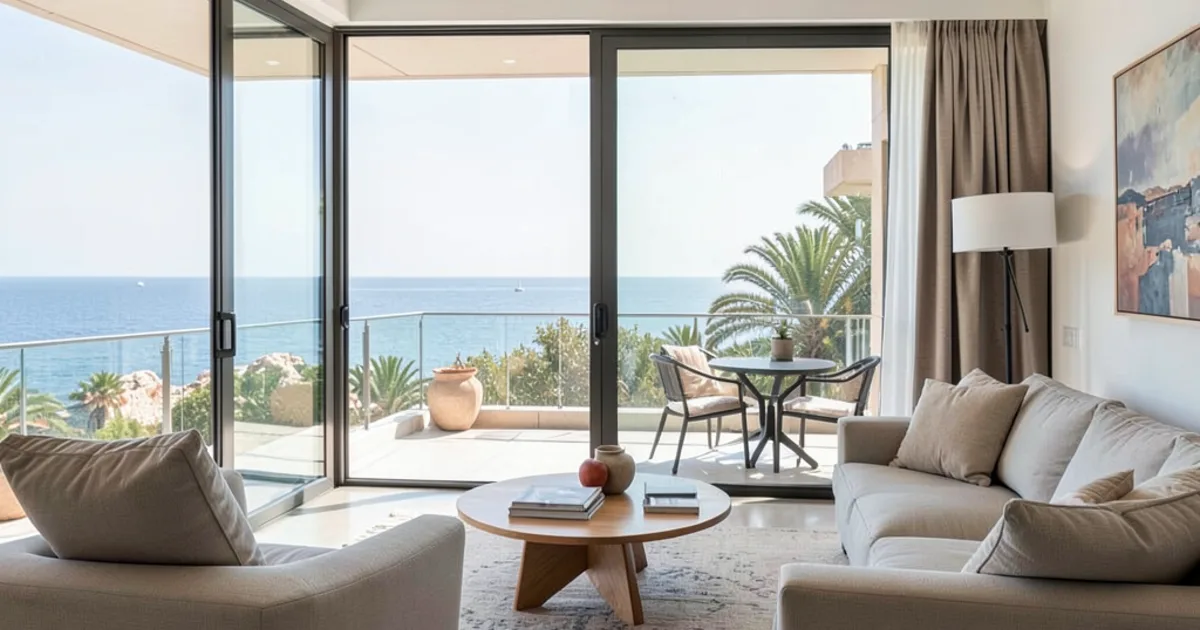
Entering the Israeli real estate market is a complex journey that requires more than just financial readiness and a sense of style. Whether you are looking for a historic house in Jaffa or a modern apartment in the heart of Tel Aviv, understanding the legal and structural nuances is essential. This guide breaks down the critical differences between houses and apartments to help you make an informed decision.
Quick answer: Buying an apartment in Israel typically involves less maintenance and higher liquidity than buying a house, which offers more privacy and land. The choice depends on your budget, desired location, and long-term investment strategy.
- How do ownership structures differ between houses and apartments?
- What are the legal implications of the Tabu and land registration?
- How much should you expect to pay in taxes and acquisition costs?
- What are the ongoing costs of ownership: Arnona and maintenance?
- How do location and lifestyle impact your choice?
- Which option offers better investment potential and tax advantages?
- How does financing work for houses versus apartments in Israel?
- What are the rights and restrictions regarding renovations?
- What is the step-by-step buying process in Israel?
- Which property type best suits your long-term goals?
How do ownership structures differ between houses and apartments?
The most fundamental distinction between buying a house and an apartment in Israel lies in the nature of ownership. When you purchase a standalone house, you typically own the entire structure along with the land it sits upon. This provides a level of autonomy and control that is rarely found in multi-unit buildings. You are responsible for the entirety of the property, from the foundation to the roof and the surrounding garden.
In contrast, purchasing an apartment means you are buying a specific unit within a larger building, which falls under the category of shared property. While you have exclusive rights to the interior of your unit, you also hold a fractional ownership interest in the common areas. These shared spaces include the stairwells, elevators, hallways, and often the building's roof or courtyard. This structure is designed to ensure that all residents have access to the essential components of the building.
Understanding this distinction is vital for long-term planning and legal clarity. A house offers total independence, but it also means you carry the full weight of all property-related decisions. An apartment offers a sense of community and shared responsibility, but it also means your lifestyle is influenced by the actions of your neighbors. Knowing which model fits your personal preference is the first step in your real estate journey.
- Standalone houses: Full land and structure ownership.
- Apartments: Exclusive unit ownership plus fractional shared interest.
- Common areas: Shared responsibility for elevators, stairs, and roofs.
What are the legal implications of the Tabu and land registration?
In Israel, the security of your real estate investment is tied directly to the Tabu, which is the official land registry. Before committing to any purchase, whether it is a house in Ramat Aviv or a flat in Neve Tzedek, you must ensure the property is properly registered. The Tabu provides the ultimate legal proof of ownership and protects you against fraudulent claims. Without clear registration, the process of securing a mortgage or selling the property later becomes significantly more difficult.
When buying a house, the registration process typically covers the entire plot of land and the building constructed upon it. This provides a clear, singular record of your rights to the property. However, when buying an apartment, the registration is more layered. You are registered as the owner of a specific unit, but the registry also reflects your proportional share in the common property of the building. This ensures that your rights to the shared amenities are legally recognized and protected.
It is highly recommended to have a legal professional conduct a thorough search in the Tabu prior to signing any binding memorandum. This search will reveal if there are any existing liens, mortgages, or legal disputes attached to the property. For apartments, this also includes checking the 'Nefas T'shum' or the shared property rights to ensure they match the physical reality of the building. Neglecting this step can lead to unforeseen legal complications that are difficult to resolve after the sale is finalized.
How much should you expect to pay in taxes and acquisition costs?
The financial commitment of buying property in Israel extends far beyond the sticker price. One of the most significant costs is the Mas Rekhisha, or purchase tax, which is calculated based on the property's value and your specific status. The tax rates are progressive, meaning the amount you pay increases as the property value climbs. It is crucial to determine whether you are purchasing the property as a primary residence or as an investment, as this will drastically change your tax obligations.
For those purchasing a house, the total acquisition cost might feel higher because the absolute value of the property is often greater. However, the tax structure applies to the total value, so the impact is proportional. For apartment buyers, especially those looking at smaller units in the Tel Aviv city center, the tax might be more manageable in absolute terms. Nevertheless, you must always account for additional costs such as notary fees, legal fees, and administrative costs associated with the transfer of ownership.
It is important to budget for these costs well in advance of your closing date. Many buyers make the mistake of only focusing on the purchase price and the mortgage, only to be surprised by the immediate cash outflow required for taxes. A professional advisor can help you model these costs based on the current tax brackets. This preparation ensures that you do not find yourself short of funds during the critical final stages of the transaction.
- Mas Rekhisha: Progressive purchase tax based on property value.
- Legal fees: Costs for lawyers and notary services.
- Status matters: Rates differ for residents versus investors.
What are the ongoing costs of ownership: Arnona and maintenance?
Once you have closed on your property, a new set of recurring expenses begins. The most prominent of these is the Arnona, which is the municipal property tax. Arnona is collected by the local municipality and is used to fund local services like trash collection, street lighting, and education. The amount you pay for Arnona is typically determined by the size of the property, its location, and its usage type. Generally, a large standalone house will incur a significantly higher Arnona bill than a standard apartment.
Apartment owners also face the responsibility of contributing to the Va'ad Bayit, or the building committee fund. This fund is used to cover the costs of maintaining the shared elements of the building, such as cleaning the hallways, maintaining the elevator, and managing the building's lighting. While this can be a predictable monthly expense, unexpected repairs to common areas can lead to sudden increases in the committee's budget. In a well-managed building, this system ensures that the property remains in good condition for all residents.
House owners, on the other hand, do not have a Va'ad Bayit, but they bear the full cost of all maintenance. This includes everything from garden upkeep and pool maintenance to repairing the roof or the exterior walls. While you have total control over how and when these repairs are done, you also lack the shared financial cushion that apartment owners enjoy. For a house, you must be prepared to set aside a regular maintenance fund to handle the inevitable wear and tear of a larger, more complex structure.
How do location and lifestyle impact your choice?
The decision between a house and an apartment is often a decision about how you want to live your daily life. In high-density areas like Florentin or the heart of Tel Aviv, apartments are the dominant housing type. These units offer unparalleled convenience, placing you within walking distance of cafes, public transport, and urban culture. The lifestyle is fast-paced and social, making it ideal for those who value accessibility and the energy of the city center.
If you are looking for more space and a sense of seclusion, a house in areas like Ramat Aviv or the outskirts of Jaffa might be more suitable. Houses offer private gardens, more rooms, and a buffer from the noise of the street. This lifestyle is often more family-oriented and provides the privacy that is difficult to find in a multi-unit building. However, this privacy often comes at the cost of being further away from the central urban hubs, potentially requiring more travel time.
You must also consider the noise levels and the demographic of the neighborhood. Apartment living in a busy district means you will share walls with neighbors, which can lead to noise concerns if the building is not well-insulated. A house provides more acoustic privacy, but you may have to deal with street noise if the property is on a main thoroughfare. Ultimately, your choice should reflect your current life stage and your long-term vision for your living environment.
- Apartment lifestyle: Urban, convenient, and social.
- House lifestyle: Private, spacious, and family-oriented.
- Location trade-off: Proximity to center vs. privacy and space.
Which option offers better investment potential and tax advantages?
From an investment perspective, both houses and apartments have unique advantages and risks. Apartments are often seen as easier to manage for rental purposes, especially if you are an investor living abroad. They tend to have a more predictable rental market and are often more accessible to a wider range of tenants. In popular urban areas, the demand for rental apartments remains consistently high, which can provide a steady stream of income.
Houses, while potentially requiring more intensive management, can offer significant long-term capital appreciation. Land is a finite resource, and owning a house means you own a larger portion of that land. Over many years, the value of the land itself can drive the property's worth upward significantly. However, the entry price for a house is usually much higher, meaning your initial investment is larger and your potential return on equity may take longer to realize.
When it comes to selling, you must be mindful of the Mas Shevah, or capital gains tax. In Israel, there are specific exemptions for a 'single home' that can significantly reduce your tax burden when you sell your primary residence. If you are buying a property purely for investment, you will likely be subject to capital gains tax on the profit made. It is essential to consult with a tax professional to understand how your choice of property type will affect your eventual exit strategy.
How does financing work for houses versus apartments in Israel?
Financing your real estate purchase in Israel typically involves securing a Mashkanta, or a mortgage, from a bank. The process of obtaining a mortgage can differ depending on whether you are buying a house or an apartment. Banks are generally very comfortable lending against apartments in established buildings because they are considered lower-risk assets with high liquidity. This can sometimes result in more straightforward approval processes for apartment buyers.
When applying for a mortgage for a house, the bank's assessment may be more rigorous. Because a house involves more variables, such as the condition of the structure and the value of the land, the bank will conduct a detailed appraisal. They want to ensure that the property can be easily sold in the future if the loan needs to be settled. While this does not mean getting a mortgage for a house is impossible, it may require a more substantial down payment or a more detailed financial profile.
Regardless of the property type, the terms of your Mashkanta will depend on interest rates, the length of the loan, and your debt-to-income ratio. You should compare different mortgage structures, including fixed-rate and variable-rate options, to find what suits your risk tolerance. A professional mortgage advisor can help you navigate the complexities of the Israeli banking system to ensure you secure the most favorable terms possible for your specific situation.
What are the rights and restrictions regarding renovations?
One of the most significant practical differences involves your ability to renovate and customize your home. If you own a house, you generally have much more freedom to alter the structure, expand the living space, or landscape the garden. While you still need to obtain the necessary building permits from the local municipality (the Iriya), you are not beholden to the whims of a building committee. This allows for a much more personalized living experience.
Apartment owners face much stricter limitations when it comes to renovations. Most changes to the exterior of the building, or even certain internal structural changes, require the approval of the Va'ad Bayit or the building's collective owners. You cannot simply change the color of your balcony or install new windows without ensuring they match the building's aesthetic. This preserves the unity of the building but can be frustrating if you wish to make significant personal modifications.
Before you buy, it is vital to investigate the 'Zkhuyot Bniya,' or building rights, associated with the property. For a house, this tells you how much more you can potentially build in the future. For an apartment, it might indicate whether the building is eligible for a 'Pinui Binui' (evacuation and reconstruction) project, which could drastically change the value of your unit. Always verify these rights through the municipality to avoid costly mistakes.
What is the step-by-step buying process in Israel?
The journey to homeownership follows a specific sequence of events that requires careful coordination. It begins with the search and viewing phase, where you explore different neighborhoods like Neve Tzedek or Jaffa to find a property that meets your needs. Once you find the right place, the next critical step is the negotiation of the price and the terms of the sale. This is where your legal representative becomes indispensable.
The most important legal document in the process is the binding memorandum, often referred to as the 'Hofesh.' This document outlines all the terms of the agreement, including the price, the closing date, and any conditions that must be met. Once signed, this memorandum is legally binding, and breaking it can have severe financial consequences. It is the moment when the deal moves from a verbal agreement to a formal, enforceable contract.
The final stage is the closing, where the funds are transferred, and the ownership is officially updated in the Tabu. This usually involves several meetings between lawyers, the buyer, the seller, and sometimes a notary. After the final payment is made and the keys are handed over, the process is complete. However, even after moving in, you must ensure all municipal registrations, such as your Arnona account, are correctly transferred to your name.
- 1. Search and viewing properties.
- 2. Negotiation and legal review.
- 3. Signing the binding memorandum.
- 4. Final closing and Tabu registration.
Which property type best suits your long-term goals?
Ultimately, choosing between a house and an apartment in Israel comes down to an evaluation of your long-term goals and lifestyle. If your priority is flexibility, privacy, and the potential for significant land-based appreciation, a house is likely the better choice. It offers a canvas for your personal expression and a sense of permanence that is hard to replicate in a shared building. However, you must be prepared for the higher costs and greater responsibilities that come with it.
If you prefer a more streamlined, urban lifestyle with less administrative burden, an apartment is the logical path. The ability to live in the heart of the city with minimal maintenance concerns makes apartments ideal for professionals, small families, or those looking for an easy-to-manage investment. While you sacrifice some autonomy, you gain the convenience and community that define modern Israeli urban living.
Take the time to reflect on your financial capacity, your tolerance for maintenance, and how you envision your daily routine five or ten years from now. There is no single 'correct' answer, only the answer that is correct for you. By understanding the legal, financial, and structural differences discussed in this guide, you can approach the Israeli real estate market with confidence and clarity.
FAQ
Is it harder to get a mortgage for a house than an apartment?
While not impossible, banks may perform more rigorous appraisals for houses due to the complexity of land and structure. Apartments in established buildings are often viewed as more liquid assets, which can sometimes lead to a smoother financing process.
What is the most important document to check before buying?
The most critical document is the registration in the Tabu land registry. This ensures that the seller actually has the legal right to sell the property and that there are no hidden liens or encumbrances that could affect your ownership.
How does Arnona differ for houses and apartments?
Arnona is a municipal tax based on the property's size and location. Because houses are typically much larger than apartments, they generally incur significantly higher Arnona payments to the local municipality.
Get your personalised shortlist
Listings and up-to-date info, straight to your inbox, free, no obligation.
See Tel Aviv homes →