Are there specific zoning restrictions or heritage preservation rules for renovating an old apartment in Neve Tzedek?
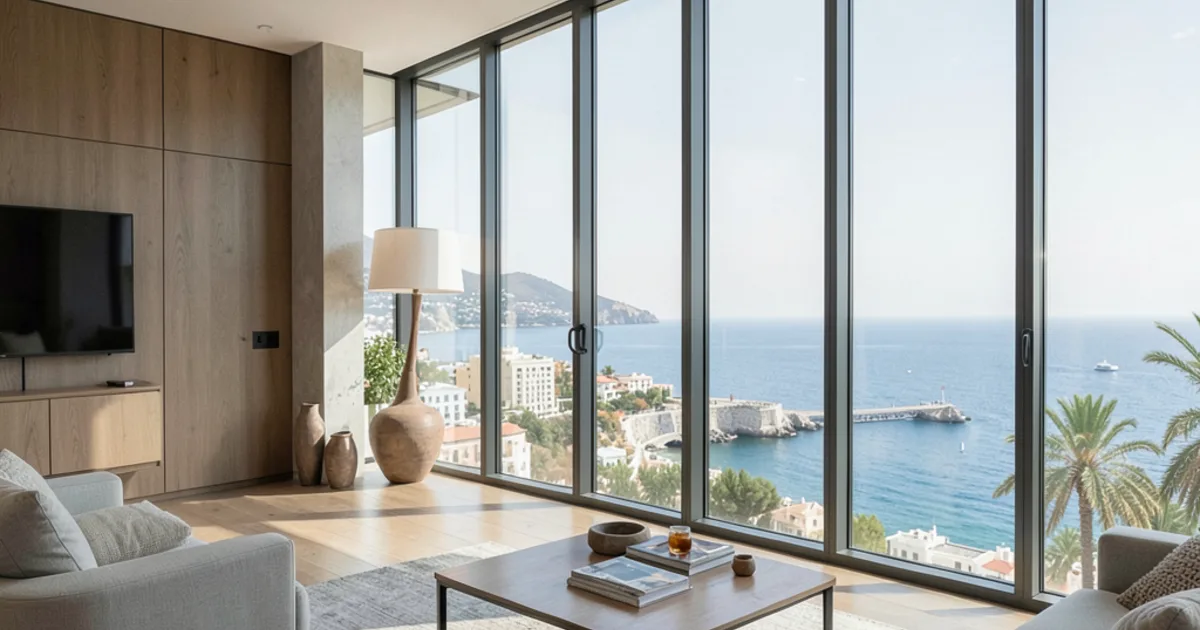
Neve Tzedek, Tel Aviv's charming and historic first Jewish neighborhood, beckons with its picturesque streets, artistic ambiance, and beautifully preserved architecture. For those dreaming of owning and renovating an apartment within its storied walls, the allure is undeniable. However, transforming a historic property here is not merely a matter of personal taste or budget; it involves navigating a complex web of zoning restrictions and heritage preservation rules designed to safeguard the neighborhood's unique character and architectural legacy. This comprehensive guide from TelAvivHomes will delve deep into the regulatory landscape, offering invaluable insights for prospective renovators.
- Understanding Neve Tzedek's Unique Heritage Status and Its Implications
- The Role of the Tel Aviv Municipality's Conservation Department
- Specific Zoning Restrictions and Building Codes in Neve Tzedek
- The Planning and Permitting Process: A Step-by-Step Overview
- Working with Architects and Contractors Specialized in Conservation
- The Concept of 'Heritage Listing' and Its Specific Demands
- Navigating Potential Objections and Appeals
- Financial Considerations: Increased Costs and Potential Benefits
- The Importance of a Pre-Purchase Due Diligence Checklist
- Beyond Neve Tzedek: Comparative Regulatory Landscapes in Tel Aviv
- Future Trends and Long-Term Value in Neve Tzedek Renovations
Understanding Neve Tzedek's Unique Heritage Status and Its Implications
Neve Tzedek holds a special place in Tel Aviv's urban fabric, recognized as a conservation area with significant historical and architectural value. This designation isn't merely symbolic; it translates into a distinct set of regulations that govern any alterations, additions, or even minor changes to properties within its boundaries. Unlike newer developments in areas like Ramat Aviv, where modern building codes are the primary concern, Neve Tzedek demands a delicate balance between modernization and the preservation of its original charm.
The municipality's commitment to preserving Neve Tzedek's character stems from its status as the first Jewish neighborhood outside Jaffa's walls, predating the establishment of Tel Aviv itself. This historical significance means that every renovation project is viewed through the lens of how it impacts the neighborhood's overall aesthetic and historical integrity. Consequently, owners must be prepared for a more rigorous and often lengthier approval process compared to renovations elsewhere in the city.
This heritage status directly influences everything from the permitted height of buildings to the type of materials that can be used on facades. The goal is not to freeze the neighborhood in time, but to ensure that its evolution respects and enhances its foundational identity. Understanding this core principle is the first crucial step for anyone contemplating a renovation in this coveted location.
The Role of the Tel Aviv Municipality's Conservation Department
At the heart of managing renovations in Neve Tzedek is the Tel Aviv Municipality's Conservation Department, often working in conjunction with the local planning and building committee. This department acts as the primary gatekeeper, scrutinizing every application to ensure compliance with heritage guidelines. Their expertise lies in architectural history, urban planning, and the specific conservation plans applicable to areas like Neve Tzedek.
Engaging with the Conservation Department early in your planning process is not just recommended, but essential. They are the ultimate arbiters of what is permissible and what is not, and their guidance can save considerable time and resources. Ignoring their requirements can lead to costly delays, rejection of plans, or even orders to reverse unauthorized work.
Their review process typically involves assessing how proposed changes affect the building's original structure, facade, roofline, and even internal elements deemed historically significant. They will often reference detailed urban conservation plans specific to Neve Tzedek, which outline preferred materials, architectural styles, and overall aesthetic considerations. This detailed scrutiny underscores the importance of working with an architect experienced in conservation projects.
Specific Zoning Restrictions and Building Codes in Neve Tzedek
Beyond general heritage principles, Neve Tzedek is subject to specific zoning restrictions that dictate various aspects of construction and renovation. These typically include limitations on building height, density, and sometimes even the permissible uses of a property. For instance, while some commercial activity might be permitted on ground floors, extensive commercialization of residential properties is often restricted to maintain the neighborhood's residential character.
Building codes, while generally applicable across Tel Aviv, have additional layers of interpretation and enforcement in Neve Tzedek due to the age and historical significance of the structures. This can impact everything from structural reinforcement requirements to fire safety measures in older buildings. Renovators must ensure that their plans not only meet modern safety standards but also do so in a way that is sensitive to the existing historical fabric.
Furthermore, setback requirements, regulations concerning open spaces, and even the design of fences or garden walls can be subject to specific guidelines aimed at preserving Neve Tzedek's unique streetscape. Understanding these granular details requires careful review of the relevant municipal planning schemes (תכניות בניין עיר - Taba) that specifically govern the Neve Tzedek area. These documents are the definitive source for precise regulations.
- Height restrictions: Often limited to the existing building height or a maximum of two to three stories to maintain the low-rise character.
- Facade preservation: Strict guidelines on window styles, door types, balcony designs, and material choices (e.g., specific stucco finishes, ironwork).
- Material selection: Preference for traditional materials that match the original aesthetic, discouraging modern, incongruous elements.
- Structural integrity: Requirements for detailed structural assessments and approved methods for strengthening older buildings.
- Additions and extensions: Often severely restricted, and when permitted, must be seamlessly integrated and subordinate to the original structure.
The Planning and Permitting Process: A Step-by-Step Overview
Embarking on a renovation in Neve Tzedek necessitates navigating a multi-stage planning and permitting process, which is generally more elaborate than in non-historic areas. The first crucial step involves engaging a local architect with proven experience in conservation projects. This professional will be instrumental in translating your vision into plans that comply with municipal regulations and heritage guidelines.
Following initial design, a comprehensive set of plans, including architectural drawings, structural assessments, and often historical surveys, must be submitted to the local planning and building committee (ועדת תכנון ובנייה מקומית). This submission triggers a review process that includes the Conservation Department. Public notification of the proposed renovation might also be required, allowing neighbors to raise objections, which must then be addressed.
The approval process can be lengthy, potentially spanning several months or even longer, depending on the complexity of the project and any objections raised. Once preliminary approval is granted, a building permit (היתר בנייה) is issued, allowing work to commence. Throughout the construction phase, municipal inspectors will conduct regular checks to ensure adherence to the approved plans and building codes. Deviations can lead to stop-work orders and penalties, underscoring the importance of strict compliance.
- Consultation with a specialized architect.
- Preparation of detailed plans and historical documentation.
- Submission to the local planning and building committee.
- Review by the Conservation Department and public notification period.
- Addressing any objections or requests for modifications.
- Obtaining the building permit (היתר בנייה).
- Supervised construction and final inspection.
Working with Architects and Contractors Specialized in Conservation
The importance of selecting the right team for a Neve Tzedek renovation cannot be overstated. An architect without specific experience in heritage conservation may inadvertently design plans that clash with municipal guidelines, leading to significant delays and additional costs. Look for professionals who have a portfolio of successful projects in Neve Tzedek or similar historic neighborhoods.
These specialized architects possess an in-depth understanding of the nuances of conservation law, the specific aesthetic requirements of Neve Tzedek, and the practical challenges of working with older structures. They can anticipate potential issues, provide strategic advice, and effectively liaise with the municipal Conservation Department on your behalf, often acting as a crucial bridge between your vision and the regulatory framework.
Similarly, the choice of contractor is vital. Renovating an old building requires different skills and techniques than building new. Contractors experienced in conservation are familiar with traditional building materials, methods for reinforcing historic structures without compromising their integrity, and the careful demolition and reconstruction necessary to preserve existing elements. They understand the value of craftsmanship and attention to detail required for such sensitive projects.
The Concept of 'Heritage Listing' and Its Specific Demands
While Neve Tzedek as a whole is a conservation area, some individual buildings within it may be specifically 'heritage listed' (מבנה לשימור). This designation applies to properties deemed to possess exceptional historical, architectural, or cultural significance. If your apartment is located within a heritage-listed building, the renovation demands become even more stringent and detailed.
For heritage-listed properties, every proposed change, no matter how minor, is subject to intense scrutiny. This can extend to internal features like original tiles, ceiling frescoes, or specific structural elements that contribute to the building's unique character. The goal is absolute preservation of these identified elements, with any intervention requiring specialized techniques and materials.
Owners of heritage-listed properties might also be eligible for certain incentives or grants from the municipality or national heritage institutions to help offset the increased costs associated with specialized conservation work. However, these often come with additional reporting and oversight requirements. It is imperative to determine if your specific property falls under this more stringent category early in the process.
Navigating Potential Objections and Appeals
One of the realities of renovating in historic, densely populated areas like Neve Tzedek is the potential for objections from neighbors or public interest groups. When your renovation plans are announced, there is typically a period during which objections can be filed. These can range from concerns about noise and disruption to disputes over property lines or perceived negative impacts on the neighborhood's aesthetic.
Should objections arise, they must be formally addressed by the planning committee. This often involves mediation, revisions to the plans, or, in more complex cases, legal proceedings. Having an experienced architect and legal counsel familiar with municipal planning law can be invaluable during this stage, helping to navigate the process and present a compelling case for your proposed changes.
If your application is ultimately rejected, or if you disagree with certain conditions imposed by the municipality, there are avenues for appeal. This typically involves submitting an appeal to a higher planning authority or, in some instances, to administrative courts. While these processes can be time-consuming and costly, they offer a recourse for property owners who believe their plans have been unfairly denied or unduly restricted.
Financial Considerations: Increased Costs and Potential Benefits
Renovating an old apartment in Neve Tzedek, particularly one with heritage status, often entails significantly higher costs compared to a standard renovation. The need for specialized architects, contractors, and materials, coupled with the extended permitting process, contributes to this increased expense. Structural challenges in older buildings, such as outdated plumbing, electrical systems, or foundational issues, also add to the budget.
However, the long-term benefits can be substantial. A meticulously renovated heritage property in Neve Tzedek commands a premium in the real estate market, offering not just a unique living experience but also strong investment potential. The scarcity of such properties, combined with the neighborhood's enduring appeal, tends to drive value appreciation.
Beyond market value, there's the intangible benefit of contributing to the preservation of Tel Aviv's rich history. Owners become custodians of a piece of the city's heritage, and a successful renovation can be a source of immense personal pride. It's an investment not just in real estate, but in culture and legacy.
The Importance of a Pre-Purchase Due Diligence Checklist
Before committing to purchasing an old apartment in Neve Tzedek with renovation in mind, thorough due diligence is paramount. This goes beyond a standard property inspection and should include a deep dive into the regulatory landscape specific to the property. Understanding potential limitations before you buy can prevent costly surprises down the line.
Your due diligence checklist should include reviewing the property's specific Taba (תכנית בניין עיר) to understand zoning and building rights, checking if the building is heritage-listed, and investigating any existing violations or pending issues with the municipality. It's also wise to consult with a local architect and a real estate lawyer experienced in Neve Tzedek properties.
This pre-purchase investigation allows you to realistically assess the scope, cost, and feasibility of your renovation vision. It empowers you to make an informed decision, potentially influencing your offer price or even your decision to proceed with the purchase. A comprehensive due diligence process is your best defense against unforeseen complications in this unique market.
Beyond Neve Tzedek: Comparative Regulatory Landscapes in Tel Aviv
While Neve Tzedek presents a distinct set of regulatory challenges, it's useful to understand how other Tel Aviv neighborhoods compare. For instance, Florentin, another historic area, also has conservation aspects, but often allows for more flexibility in terms of modernization, especially in areas not designated for strict preservation. Renovations there might focus more on industrial-chic aesthetics rather than strict historical replication.
In contrast, the 'White City' area, a UNESCO World Heritage site, imposes extremely rigorous Bauhaus preservation rules, often dictating even the color palette and specific materials. Renovations here are among the most complex and expensive in the city, with an emphasis on authentic restoration over modernization. Owners often face strict limitations on adding balconies or making significant structural changes.
Newer areas like Ramat Aviv, or even parts of the central business district, offer a much freer hand for renovation, primarily governed by modern building codes and existing Taba that might allow for significant expansion or alteration. Jaffa, with its ancient history, also has stringent conservation laws, but often with a focus on preserving Ottoman and even older architectural layers, presenting its own unique set of challenges distinct from Neve Tzedek's early Tel Aviv charm.
Future Trends and Long-Term Value in Neve Tzedek Renovations
The demand for properties in Neve Tzedek remains consistently high, driven by its unparalleled charm, central location, and unique historical ambiance. This enduring appeal suggests that well-executed, compliant renovations will continue to yield significant long-term value. As Tel Aviv continues to grow and develop, the scarcity of such historic and desirable neighborhoods only increases their allure.
Future trends in conservation might see an even greater emphasis on sustainable renovation practices, integrating modern energy efficiency solutions while respecting historical integrity. The municipality may also introduce further incentives or streamlined processes for certain types of conservation work, though the core principles of preservation are likely to remain steadfast.
Ultimately, a renovation in Neve Tzedek is more than just a home improvement project; it's an investment in a lifestyle, a piece of history, and a future asset in one of the world's most dynamic cities. With careful planning, expert guidance, and a deep respect for its heritage, transforming an old apartment here can be an incredibly rewarding endeavor, both personally and financially.
FAQ
Can I add a modern balcony to my Neve Tzedek apartment during renovation?
Adding a modern balcony is often highly restricted in Neve Tzedek. Any additions must typically be approved by the Conservation Department and must be architecturally harmonious with the existing building and neighborhood aesthetic, often requiring traditional designs and materials. Extensive modern protrusions are generally discouraged.
What is a 'Taba' and why is it important for Neve Tzedek renovations?
A 'Taba' (תכנית בניין עיר) is a municipal urban building plan. For Neve Tzedek, specific Taba documents outline detailed zoning, building rights, height restrictions, and conservation guidelines. It is crucial to review the relevant Taba for your property as it provides the definitive legal framework for any renovation or construction.
Are there any financial grants or incentives for heritage renovations in Neve Tzedek?
For specifically heritage-listed buildings, there might be municipal or national grants or tax incentives available to help offset the higher costs of specialized conservation work. These are typically case-by-case and require strict adherence to conservation standards. It's advisable to inquire with the municipality's Conservation Department.
How long does the renovation permit process typically take for a Neve Tzedek apartment?
The permit process for a Neve Tzedek renovation can be lengthy, often taking several months to over a year, depending on the project's complexity, the level of heritage intervention, and whether objections are raised. Early and thorough preparation with an experienced architect can help streamline the timeline.
Get your personalised shortlist
Listings and up-to-date info, straight to your inbox, free, no obligation.
See Tel Aviv homes →