What are the specific mortgage requirements for a US citizen buying a property in Neve Tzedek without Israeli residency?
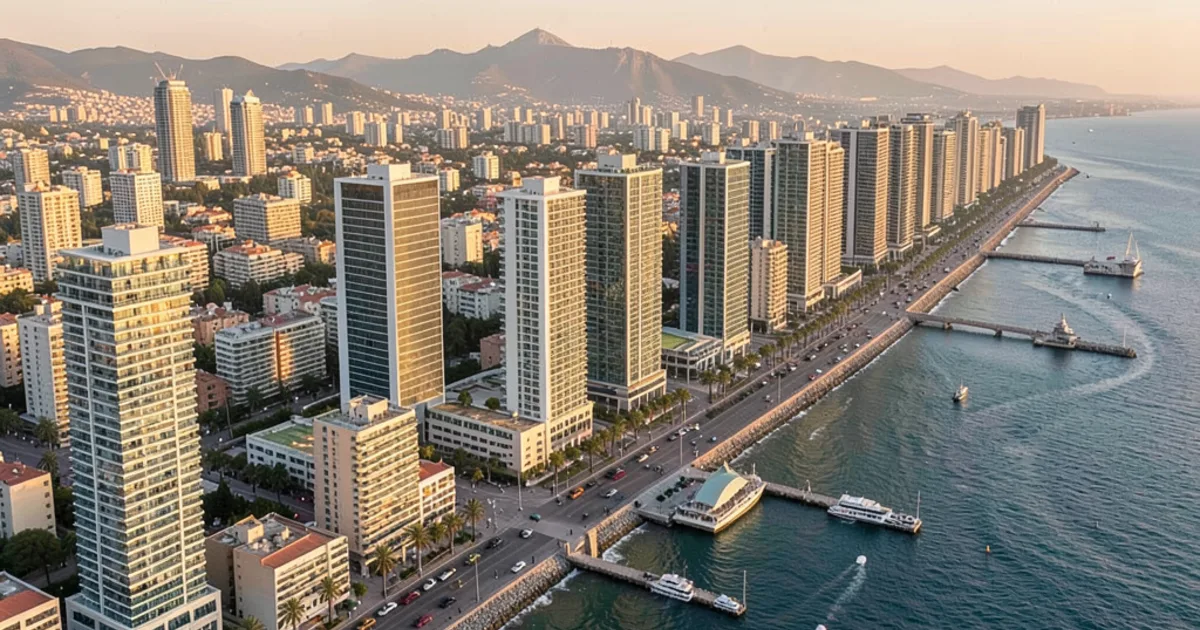
For US citizens envisioning a piece of Tel Aviv's historic charm in Neve Tzedek, the dream of property ownership often comes with the practical question of financing. As a non-resident, the mortgage landscape in Israel presents a unique set of requirements and considerations that differ significantly from local buyers. This comprehensive guide from TelAvivHomes aims to demystify the process, offering expert advice on securing a mortgage for your Neve Tzedek property without Israeli residency, ensuring a smooth and informed journey from aspiration to acquisition.
- Understanding the Israeli Mortgage Landscape for Non-Residents
- Initial Eligibility Criteria for US Citizen Non-Residents
- Required Documentation: A Comprehensive Checklist
- Down Payment Expectations and Loan-to-Value Ratios
- The Mortgage Application Process: Step-by-Step
- Interest Rates and Loan Terms for Non-Residents
- Beyond the Mortgage: Additional Costs and Taxes
- Navigating Neve Tzedek: Property Specifics and Appraisal
- The Role of a Mortgage Broker and Legal Counsel
- Currency Exchange and Repayment Considerations
- Post-Purchase: Property Management and Local Obligations
Understanding the Israeli Mortgage Landscape for Non-Residents
The Israeli mortgage market, while robust, operates with distinct rules for foreign investors compared to local citizens. Non-residents, particularly those without a 'teudat zehut' (Israeli ID card), are generally viewed with a different risk profile by local banks. This often translates into specific lending criteria, higher equity requirements, and a more rigorous due diligence process to ensure financial stability and commitment.
Israeli banks are primarily concerned with the repayment capacity of non-residents, given the lack of local credit history and the potential complexities of international collections. Therefore, applicants should be prepared to demonstrate a strong financial standing in their home country, including stable income sources and a healthy asset base. The focus will be on verifiable, liquid assets and consistent earnings rather than speculative investments.
While the prospect might seem daunting, several Israeli banks are experienced in working with international clients and understand the nuances of foreign income and asset verification. Engaging with a mortgage broker specializing in non-resident mortgages can be invaluable, as they possess established relationships with these institutions and can streamline the application process significantly. Their expertise can help navigate the bureaucratic hurdles and present your financial profile in the most favorable light.
Initial Eligibility Criteria for US Citizen Non-Residents
Before delving into specific documents, it's crucial to understand the fundamental eligibility criteria for US citizens seeking a mortgage in Israel without local residency. Banks will typically assess your age, employment stability, income level, and existing debt-to-income ratio. A strong, consistent employment history, preferably spanning several years, is a key indicator of financial reliability.
Income requirements are stringent; banks will want to see verifiable income that comfortably covers the proposed mortgage payments, often with a significant buffer. They will scrutinize the source of income, preferring stable salaries or established business profits over more volatile earnings. Proof of consistent income from a reputable US employer or a well-established US-based business is paramount.
Furthermore, banks will assess your overall financial health, including any existing loans or credit obligations in the US. A low debt-to-income ratio is highly favorable, indicating your capacity to manage additional financial commitments. While a US credit score is not directly transferable, a strong credit history and responsible financial behavior in the US will indirectly contribute to a positive assessment.
Required Documentation: A Comprehensive Checklist
Preparing a complete set of documents is perhaps the most time-consuming yet critical step. Banks require extensive proof of identity, financial standing, and the property itself. All foreign-language documents must be officially translated into Hebrew and often apostilled or notarized, adding a layer of complexity and time to the process. Starting this collection early is highly recommended.
Key personal documentation includes a valid US passport, proof of address in the US, and a detailed curriculum vitae. Financial documentation is far more extensive, encompassing bank statements for the past 6-12 months, comprehensive tax returns (often for the past 2-3 years), pay stubs or employment letters, and statements for any investment accounts or other assets. For self-employed individuals, audited financial statements for their business will be essential.
Regarding the property in Neve Tzedek, you'll need the signed purchase agreement (the 'binding memorandum' or full contract), a copy of the Tabu (Land Registry) extract for the property, and a professional appraisal report. The appraisal is crucial as it determines the bank's maximum lending amount, often based on the lower of the purchase price or the appraised value. Ensuring all documents are meticulously organized and readily available will significantly expedite the bank's review process.
- Valid US Passport & proof of US residency
- Detailed CV/Resume
- Bank statements (6-12 months) from US accounts
- US Tax returns (2-3 years)
- Employment letters/Pay stubs (most recent 3-6 months)
- Investment account statements & other asset proofs
- Signed Purchase Agreement for Neve Tzedek property
- Tabu (Land Registry) extract for the property
- Professional property appraisal report
- Proof of down payment source (e.g., bank transfer records)
Down Payment Expectations and Loan-to-Value Ratios
For non-resident US citizens, Israeli banks typically require a significantly higher down payment compared to resident buyers. While Israeli citizens might secure a mortgage with a lower equity contribution, non-residents should generally anticipate needing to provide a substantial portion of the property's purchase price upfront. This reflects the bank's assessment of increased risk associated with foreign borrowers.
Expect loan-to-value (LTV) ratios for non-residents to range considerably lower than for residents, often hovering in the region of 30% to 50% of the property's value. This means you would need to fund 50% to 70% of the purchase price from your own resources. The exact percentage can vary based on the bank, your financial profile, the specific property in Neve Tzedek, and prevailing market conditions.
It is crucial to demonstrate the source of your down payment funds. Banks are diligent in their anti-money laundering (AML) checks and will require documentation proving where these funds originated. This might involve bank statements showing accumulated savings, inheritance documents, or sale agreements from other assets. Transparency in this area is key to a smooth approval process.
The Mortgage Application Process: Step-by-Step
The mortgage application process for non-residents, while detailed, follows a logical sequence. It typically begins with an initial consultation with a mortgage advisor or broker specializing in foreign buyers. This initial meeting helps assess your eligibility and provides guidance on preparing your financial documentation tailored to Israeli bank requirements. This is where you'll get a realistic understanding of what's achievable.
Once your documents are compiled, the broker will submit your application to one or more suitable Israeli banks. Each bank will conduct its own thorough review, which includes verifying income, assets, and the property details. This underwriting phase can take several weeks, during which banks may request additional information or clarification on certain documents. Patience and prompt responses are essential during this period.
Upon successful review, the bank will issue a mortgage offer, outlining the loan amount, interest rate, repayment terms, and any specific conditions. It's imperative to review this offer meticulously, ideally with legal counsel, to ensure all terms are understood. Once accepted, the final stages involve signing the mortgage agreement, registering the lien on the property in the Tabu, and the disbursement of funds on the closing date, usually directly to the seller's attorney.
Interest Rates and Loan Terms for Non-Residents
Interest rates for non-resident mortgages in Israel can differ from those offered to Israeli citizens. Generally, foreign borrowers might face slightly higher interest rates due to the perceived elevated risk. These rates are influenced by global economic conditions, the Bank of Israel's policies, and the individual bank's assessment of your financial stability and the specific loan product.
Israeli mortgages offer various interest rate structures, including fixed-rate, variable-rate (linked to the prime rate or CPI), and hybrid options. For non-residents, banks often prefer fixed-rate components or loans with predictable repayment schedules to mitigate currency fluctuations and interest rate volatility. It is crucial to discuss these options with your mortgage advisor to determine the best fit for your financial strategy and risk tolerance.
Loan terms typically range from 10 to 30 years, similar to local mortgages. However, the specific term offered to a non-resident might be influenced by their age and the bank's assessment of their long-term income stability. Shorter terms often mean higher monthly payments but less overall interest paid, while longer terms reduce monthly burden but increase total interest over the life of the loan. A thorough analysis of your cash flow is vital when deciding on the optimal loan term.
Beyond the Mortgage: Additional Costs and Taxes
Securing a mortgage is a significant step, but it's important to budget for a range of additional costs associated with purchasing property in Neve Tzedek as a non-resident. These expenses can add a substantial percentage to the overall purchase price and should be factored into your financial planning from the outset to avoid any unwelcome surprises. Transparency about these costs is key to a smooth transaction.
One of the most significant additional costs is 'Mas Rekhisha,' or purchase tax. For non-residents, the purchase tax rates are typically higher than for Israeli citizens and are applied on a progressive scale based on the property's value. It's a substantial upfront cost that must be paid shortly after signing the purchase agreement. Consulting with a local tax advisor is essential to understand the current rates and any potential exemptions or deductions.
Other notable expenses include legal fees for both your attorney and potentially the seller's attorney (a portion of which you may be expected to cover), real estate agent commissions (typically a percentage of the purchase price plus VAT), valuation fees for the property appraisal, and mortgage registration fees. Additionally, there are ongoing costs such as 'Arnona' (municipal property tax), utility bills, and building maintenance fees for apartment buildings, all of which need to be budgeted for long-term ownership.
- Mas Rekhisha (Purchase Tax)
- Legal Fees (Buyer's attorney, potential portion of seller's attorney)
- Real Estate Agent Commissions (plus VAT)
- Property Valuation/Appraisal Fees
- Mortgage Registration Fees
- Ongoing costs: Arnona (municipal tax), building maintenance, utilities
Navigating Neve Tzedek: Property Specifics and Appraisal
Neve Tzedek, with its historic charm and prime Tel Aviv location, offers unique properties that can influence mortgage considerations. Many properties are older, some are subject to preservation orders, and others may have complex ownership structures or require significant renovation. These factors can impact the property's appraisal value and, consequently, the maximum loan amount a bank is willing to provide.
The bank's appraisal process is crucial. A certified Israeli appraiser will assess the property's market value, condition, and any structural or legal issues. For properties in Neve Tzedek, factors like historical status, renovation potential, and proximity to desirable amenities will be heavily weighted. The appraisal report serves as the bank's independent verification of the property's worth, ensuring their investment is secure.
It's important to understand that the bank's valuation might differ from your agreed-upon purchase price. If the appraisal comes in lower than the sale price, the bank will base its mortgage offer on the lower appraised value, meaning you would need to cover the difference with a larger down payment. This scenario is more common with unique or highly sought-after properties where market demand might inflate prices beyond a conservative valuation.
The Role of a Mortgage Broker and Legal Counsel
Engaging an experienced mortgage broker specializing in non-resident mortgages is perhaps the single most valuable step a US citizen can take. These professionals possess an in-depth understanding of the Israeli banking system, the specific requirements for foreign buyers, and established relationships with relevant lenders. They can identify the banks most likely to approve your loan and guide you through the intricate documentation process.
A good mortgage broker acts as your advocate, negotiating terms on your behalf and simplifying complex financial jargon. They can help you structure your application optimally, anticipate potential challenges, and manage communication with the banks, saving you considerable time and stress. Their expertise is particularly vital when dealing with the nuances of international income verification and cross-border financial regulations.
Equally indispensable is the role of an Israeli real estate attorney. Your attorney will conduct thorough due diligence on the Neve Tzedek property, verify its legal status in the Tabu, review the purchase agreement, and ensure all legal aspects of the transaction comply with Israeli law. They will also advise on tax implications like Mas Rekhisha and Mas Shevah (capital gains tax, should you sell in the future), and oversee the transfer of funds and registration of ownership. Their legal oversight protects your interests throughout the entire acquisition process.
Currency Exchange and Repayment Considerations
For US citizens, managing currency exchange is a critical aspect of financing a property in Israel. While the mortgage itself will be denominated in Israeli Shekels (ILS), your income and savings are likely in US Dollars (USD). Fluctuations in the USD/ILS exchange rate can impact the effective cost of your down payment and your monthly mortgage repayments.
Banks often offer options for non-residents to make mortgage payments from an Israeli bank account, which you would need to open. This account can be funded by transferring USD from your US bank, converting it to ILS. It's advisable to work with a reputable currency exchange service to secure favorable rates and minimize transfer fees, rather than relying solely on standard bank exchange rates.
Consider the long-term implications of currency risk. A weakening USD against the ILS means your mortgage payments become effectively more expensive in USD terms. Some banks may offer certain hedging instruments or foreign currency-linked mortgage products, but these are less common for non-residents and come with their own complexities. A prudent approach involves building a buffer in your financial planning to absorb potential currency fluctuations.
Post-Purchase: Property Management and Local Obligations
Once your Neve Tzedek property is acquired and the mortgage is in place, as a non-resident owner, you'll have ongoing responsibilities that extend beyond mere repayment. These include property management, local tax obligations, and ensuring the property is well-maintained, especially if it's not your primary residence. Effective management is crucial to protect your investment.
If you don't plan to reside in Neve Tzedek full-time, engaging a local property management company is highly recommended. They can handle rental agreements, tenant relations, maintenance, and ensure timely payment of local taxes like Arnona and utility bills. This ensures your property remains compliant with local regulations and generates potential rental income without requiring your constant presence.
Familiarize yourself with Israeli tax laws concerning rental income. Non-residents are generally subject to income tax on rental earnings generated in Israel. While there might be options for deductions or specific tax treaties, it's imperative to consult with an Israeli tax accountant to ensure full compliance and optimize your tax position. Understanding these obligations upfront prevents future complications and ensures your investment remains sound.
FAQ
Can I get a mortgage in Israel without ever visiting the country?
While it is technically possible, most Israeli banks prefer at least one in-person visit for identity verification and to establish a banking relationship. Your mortgage broker can advise on banks offering more flexible remote processes, but some aspects, like opening an Israeli bank account, often require physical presence.
What if my US income is from a non-traditional source, like freelancing or investments?
Banks will require extensive documentation to verify non-traditional income sources. For freelancers, consistent contracts, bank statements, and tax returns for several years are crucial. For investment income, proof of asset ownership and consistent dividend/interest payments will be needed. Expect a more rigorous review than for salaried employees.
Are there any specific benefits or challenges for US citizens due to US-Israel relations?
While strong US-Israel relations generally foster a positive investment climate, US citizens face specific reporting requirements under FATCA (Foreign Account Tax Compliance Act) for their Israeli bank accounts. Israeli banks are well-versed in FATCA compliance, but it's an additional layer of financial reporting to be aware of.
How long does the entire mortgage approval process typically take for a non-resident?
The entire process, from initial application to fund disbursement, can typically take anywhere from 2 to 4 months, sometimes longer depending on the complexity of your financial profile and the responsiveness in providing documentation. Starting early and having all documents prepared is key to efficiency.
Get your personalised shortlist
Listings and up-to-date info, straight to your inbox, free, no obligation.
See Tel Aviv homes →