How does the purchase tax (Mas Rekhisha) for a second home in Florentin differ for an oleh versus a foreign investor?
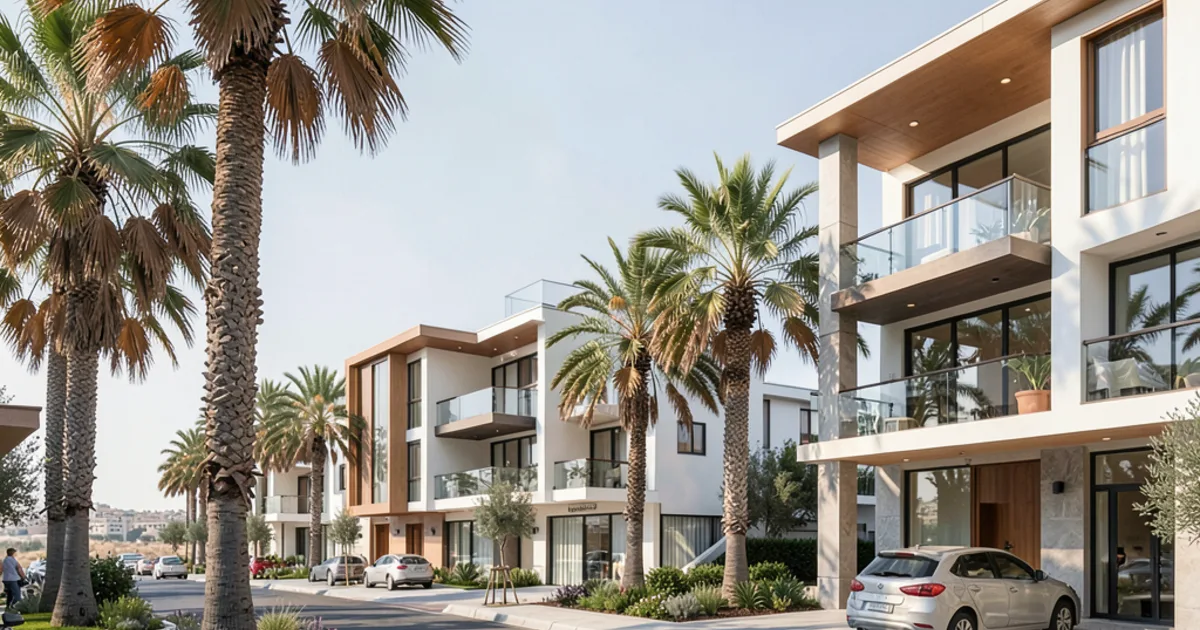
Florentin, with its vibrant artistic scene, historic charm, and burgeoning culinary landscape, has become a prime destination for real estate investment in Tel Aviv. Whether you're considering a second home for personal use, a rental income property, or a long-term asset, understanding the intricacies of the Israeli purchase tax, known as Mas Rekhisha, is paramount. This comprehensive guide from TelAvivHomes will meticulously break down how this crucial tax differs for new immigrants (Olim Hadashim) and foreign investors looking to acquire property in this desirable neighborhood.
- Understanding Mas Rekhisha: The Foundation of Property Acquisition Tax
- Defining 'Oleh Hadash' and 'Foreign Investor' in the Israeli Context
- The Privileged Status of Olim Hadashim for Second Home Purchases
- Purchase Tax Implications for Foreign Investors in Florentin
- Navigating the Progressive Tax Brackets: A Key Differentiator
- The Time-Sensitive Nature of Oleh Benefits and Eligibility
- The Role of Property Value and Location: Beyond Florentin
- Additional Costs: Beyond Purchase Tax for Second Homes
- The Importance of Expert Legal and Tax Counsel
- Future Considerations: Capital Gains Tax (Mas Shevah)
- Practical Steps for Prospective Buyers in Florentin
Understanding Mas Rekhisha: The Foundation of Property Acquisition Tax
Mas Rekhisha, or purchase tax, is a mandatory levy imposed by the Israeli government on the acquisition of real estate. Unlike some other property taxes, this is a one-time payment made at the time of purchase, calculated based on the property's declared value. Its primary purpose is to generate revenue for the state and, to some extent, to regulate the housing market, particularly concerning investment properties.
The calculation of Mas Rekhisha is not straightforward and depends on several critical factors. These include the property's value, the buyer's residency status, and whether the property is considered a primary residence or a secondary investment. For the purpose of this article, we are focusing specifically on second homes or investment properties, which typically incur higher tax rates than a primary dwelling.
It's crucial to understand that Mas Rekhisha is a significant expense that must be factored into your overall budget when contemplating a purchase in Florentin or any other Tel Aviv neighborhood. Failure to properly account for this tax can lead to unexpected financial burdens and complications during the transaction process. Consulting with a local real estate attorney and a tax adviser is always recommended to get a precise estimate based on your specific circumstances.
Defining 'Oleh Hadash' and 'Foreign Investor' in the Israeli Context
Before delving into tax rates, it's essential to clearly distinguish between an 'Oleh Hadash' (new immigrant) and a 'foreign investor' in the eyes of Israeli law. An Oleh Hadash is an individual who has made Aliyah under the Law of Return, thereby gaining Israeli citizenship. This status confers certain rights and benefits, including significant concessions on property taxation, designed to encourage and support their integration into Israeli society.
A foreign investor, on the other hand, is generally defined as an individual who does not hold Israeli citizenship or residency, regardless of their origin. This category includes non-Israeli citizens living abroad, as well as Israeli citizens who are considered non-residents for tax purposes due to living primarily outside of Israel. The Israeli tax authority applies different rules to these two groups, reflecting distinct policy objectives.
The key differentiator lies in the legal status and the intent behind the purchase. While an Oleh Hadash might be acquiring a second home as part of their long-term settlement plan, a foreign investor is typically viewed through the lens of pure investment, without the same social integration incentives. This distinction forms the bedrock of the varying Mas Rekhisha rates we will explore.
The Privileged Status of Olim Hadashim for Second Home Purchases
Olim Hadashim benefit from a favorable purchase tax regime, particularly during their initial years in Israel. This benefit is designed to ease their financial burden as they establish themselves in the country. While the most significant tax breaks apply to a primary residence, Olim also receive concessions when purchasing a second property, though these are typically less extensive.
For a second home in Florentin, an Oleh Hadash can often qualify for reduced purchase tax rates compared to a standard Israeli citizen buying an investment property, and certainly compared to a foreign investor. These benefits are usually time-limited, often applicable within a certain number of years from their Aliyah date. It's crucial for Olim to understand these timeframes and ensure their purchase falls within the eligible period.
The exact structure of these benefits can involve lower progressive tax brackets or a reduced flat rate up to a certain property value. The goal is to provide a buffer for new immigrants, allowing them greater flexibility in their housing choices, whether that means buying a larger family home and a smaller investment property, or vice-versa. Proper planning with a tax advisor is vital to maximize these benefits.
Purchase Tax Implications for Foreign Investors in Florentin
Foreign investors face a considerably higher purchase tax burden when acquiring a second home or any property in Israel. The Israeli government views these transactions primarily as capital investments and aims to ensure that foreign capital contributes significantly to the state's coffers. This policy also serves to mitigate potential overheating of the local real estate market due to external demand.
For a foreign investor purchasing a property in Florentin that is not intended as their sole or primary residence in Israel, the Mas Rekhisha rates are typically at the highest end of the spectrum. These rates are often a fixed percentage, or a very steep progressive scale, applied to the entire purchase price, without the lower thresholds or exemptions available to residents or Olim. This makes careful financial planning even more critical.
It's important to note that these higher rates apply regardless of the property's location within Tel Aviv. Whether you're looking at a chic apartment in Neve Tzedek, a family home in Ramat Aviv, or a historic building in Jaffa, the foreign investor status dictates the elevated tax bracket. This standardized approach ensures consistency across the diverse Tel Aviv real estate landscape.
Navigating the Progressive Tax Brackets: A Key Differentiator
Israeli purchase tax is generally structured around progressive tax brackets, meaning that different portions of the property's value are taxed at escalating rates. However, the exact thresholds and percentages within these brackets vary significantly depending on the buyer's status and whether it's a first or second property. This progressive system is a critical element to grasp for both Olim and foreign investors.
For an Oleh Hadash buying a second home, while they might not receive the full first-home exemption, they often benefit from more generous lower brackets or a lower starting rate compared to a non-resident. This means that a substantial portion of the property's value could fall into a reduced tax category, leading to significant savings on the overall tax bill.
Conversely, foreign investors purchasing a second home typically encounter a much less favorable progressive structure, or even a high flat rate from the first shekel. The thresholds for lower rates, if they exist at all, are significantly lower, and the higher rates kick in much sooner. This design ensures that foreign investment contributes a larger percentage of the property value directly to the state as tax.
- **Oleh Hadash:** May benefit from initial lower tax brackets or reduced rates for a second property, especially within a specific timeframe from Aliyah.
- **Foreign Investor:** Likely subject to higher, less forgiving progressive brackets or a substantial flat rate from the outset, regardless of property value.
The Time-Sensitive Nature of Oleh Benefits and Eligibility
The tax benefits extended to Olim Hadashim are not indefinite; they are typically time-sensitive. The most substantial concessions, particularly for a primary residence, must often be utilized within a set period from the date of Aliyah, frequently a few years. While benefits for a second home might have a slightly different timeline or structure, they are also bound by similar temporal constraints.
It is absolutely critical for Olim to be acutely aware of these eligibility windows. Missing the deadline, even by a short period, can result in being treated as a regular Israeli resident or, in some cases, even a foreign investor for tax purposes, thereby forfeiting significant savings. Proper planning and understanding of the Aliyah date and subsequent eligibility periods are non-negotiable.
This time-sensitive nature underscores the importance of early engagement with legal and tax professionals specializing in Oleh rights. They can help navigate the precise regulations, confirm eligibility windows, and ensure that all necessary documentation is in order for the purchase to qualify for the preferential tax treatment. Don't assume; verify.
The Role of Property Value and Location: Beyond Florentin
While this article focuses on Florentin, the principles of Mas Rekhisha apply across all Tel Aviv neighborhoods, though property values inherently influence the final tax amount. A higher-value property, whether in Florentin, the upscale City Centre, or the exclusive enclaves of Ramat Aviv, will naturally incur a higher purchase tax bill, given the progressive nature of the tax.
The specific location within Tel Aviv, however, does not directly alter the *rate* of Mas Rekhisha for a second home based on Oleh vs. foreign investor status. The tax authority's calculation is based on the declared purchase price and the buyer's status, not on a premium for a specific neighborhood. What changes is the base price upon which the tax is calculated.
Therefore, while a property in Neve Tzedek might command a significantly higher price than a comparable size property in Florentin, leading to a larger absolute tax payment, the *percentage* rate applied to an Oleh or a foreign investor for a second home would be consistent with their respective status. The market value of the property is simply the input into the tax calculation formula.
Additional Costs: Beyond Purchase Tax for Second Homes
Mas Rekhisha is a substantial cost, but it is by no means the only financial consideration when purchasing a second home in Florentin. Buyers must budget for a range of other expenses that contribute significantly to the total acquisition cost. These include legal fees for your attorney, real estate agent commissions, and potentially mortgage arrangement fees if you're securing a Mashkanta.
Furthermore, ongoing costs are also a crucial factor for second home owners. These include municipal taxes (Arnona), building maintenance fees (Va'ad Bayit), utility bills, and potentially property management fees if you intend to rent out the property. These recurring expenses must be carefully calculated to ensure the investment remains viable and profitable.
For foreign investors, there might be additional banking fees for international transfers, currency conversion costs, and potentially specific legal or accounting fees related to non-resident status. Olim Hadashim, while benefiting from tax breaks, should also be mindful of all these supplementary expenses to avoid any surprises post-purchase.
- Legal fees (mandatory for property transfer registration at Tabu land registry).
- Real estate agent commission (typically a percentage of the sale price, plus VAT).
- Mortgage arrangement fees (if applicable for a Mashkanta).
- Valuation fees (for mortgage purposes).
- Ongoing municipal taxes (Arnona) and building maintenance (Va'ad Bayit).
The Importance of Expert Legal and Tax Counsel
Given the complexities of Israeli real estate law and taxation, engaging expert legal and tax counsel is not merely advisable; it is essential. A qualified Israeli real estate attorney will guide you through the entire purchase process, from drafting the binding memorandum of sale to registering the property at the Tabu land registry. They will also verify the property's legal status and ensure all necessary checks are performed.
Crucially, a tax advisor specializing in Israeli property and international taxation can provide a precise estimate of your Mas Rekhisha obligations based on your unique circumstances, whether you are an Oleh Hadash or a foreign investor. They can also advise on potential future tax implications, such as Mas Shevah (capital gains tax) if you eventually sell the property, and strategies to mitigate these.
For Olim, understanding the nuances of their Oleh benefits, including the specific timeframes and conditions, requires specialized knowledge. For foreign investors, navigating double taxation treaties and ensuring compliance with both Israeli and their home country's tax laws is paramount. These professionals are your indispensable partners in a smooth and financially sound transaction.
Future Considerations: Capital Gains Tax (Mas Shevah)
While Mas Rekhisha is a one-time upfront cost, it's prudent to also consider potential future tax implications, particularly Mas Shevah, or capital gains tax, if you plan to sell your Florentin property down the line. This tax is levied on the profit made from the sale of real estate and can be a significant factor in your overall investment return.
The rates and exemptions for Mas Shevah can also vary based on residency status and how long the property has been held. For Olim, there may be specific exemptions related to their initial property purchases, similar to Mas Rekhisha. Foreign investors, however, are typically subject to standard capital gains rates, with potential implications for international tax treaties.
Understanding Mas Shevah from the outset allows for better long-term financial planning. This includes considering the holding period, potential improvements to the property, and how these factors might influence your taxable gain. Again, expert tax advice is invaluable in projecting these future liabilities and optimizing your investment strategy.
Practical Steps for Prospective Buyers in Florentin
Embarking on a property purchase in Florentin, whether as an Oleh or a foreign investor, requires a structured approach. The first step is always to clearly define your budget, including all associated costs beyond the property price, such as Mas Rekhisha, legal fees, and agent commissions. This comprehensive budget will guide your property search.
Next, secure reliable professional advice. Engage an experienced real estate agent who specializes in the Florentin market, a reputable Israeli real estate attorney, and a tax advisor familiar with both Israeli and international tax laws. These professionals will be your compass through the entire process.
Finally, be prepared for due diligence. Your attorney will conduct thorough checks at the Tabu land registry, verify zoning, and ensure there are no liens or encumbrances on the property. For Olim, ensure all your Aliyah documentation is in order to claim your tax benefits. For foreign investors, understand the international transfer processes and any reporting requirements in your home country. Patience and meticulousness are key to a successful acquisition.
FAQ
Can an Oleh Hadash completely avoid Mas Rekhisha when buying a second home in Florentin?
While an Oleh Hadash receives significant reductions and exemptions for their *first* primary residence, purchasing a *second* home in Florentin will typically still incur some level of Mas Rekhisha, albeit at a preferential rate compared to a regular Israeli resident or foreign investor. Complete avoidance for a second property is generally not possible under current regulations.
Does participating in an Ulpan affect my Oleh Hadash purchase tax benefits for a second property?
Participating in an Ulpan (Hebrew language school) is a crucial part of Oleh integration but does not directly alter your Mas Rekhisha eligibility or rates for a second home. Your eligibility is primarily tied to your Aliyah date and residency status, not your participation in specific integration programs.
What if I'm an Israeli citizen but have lived abroad for many years; am I considered a foreign investor for tax purposes?
If you are an Israeli citizen but are considered a non-resident for tax purposes due to living primarily abroad, you might be treated similarly to a foreign investor regarding Mas Rekhisha on a second home. This depends on specific criteria for tax residency; consulting a tax expert is essential to determine your status.
Are there any specific types of properties in Florentin that are exempt from Mas Rekhisha for foreign investors?
Generally, there are no specific property types in Florentin that are exempt from Mas Rekhisha for foreign investors. The tax is levied on all real estate acquisitions. However, very specific, rare scenarios might exist for public benefit projects or certain unique land transactions, but this is not applicable to typical residential purchases.
Get your personalised shortlist
Listings and up-to-date info, straight to your inbox, free, no obligation.
See Tel Aviv homes →