Can an oleh receive Aliyah benefits on a new build apartment in Ramat Aviv if purchased within the first year of their Aliyah?
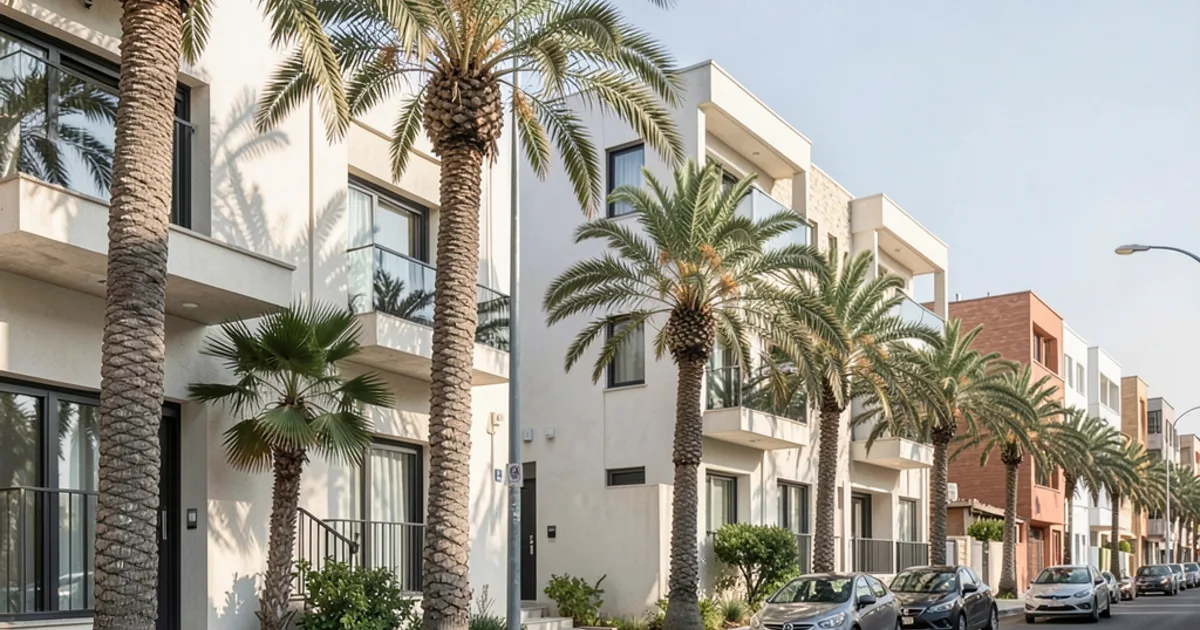
For many new immigrants, or 'Olim Chadashim,' the dream of establishing roots in Israel often includes purchasing a home. Ramat Aviv, with its desirable neighborhoods, excellent schools, and proximity to Tel Aviv's vibrant core, stands out as a prime location. This comprehensive guide delves into the intricate details of whether an Oleh can indeed leverage their Aliyah benefits when acquiring a brand-new apartment in Ramat Aviv, especially if the purchase occurs within their crucial first year in Israel. We'll explore the specific tax advantages, mortgage considerations, and procedural nuances that define this significant life step for new arrivals.
Quick answer: Yes, a new immigrant (oleh) can generally receive housing benefits for a new build apartment in Ramat Aviv if purchased within the first year of Aliyah. Eligibility depends on meeting specific income thresholds and registration requirements with the National Insurance Institute (Bituach Leumi).
- Understanding the Core Aliyah Benefits for Housing
- The Critical First Year: Maximizing Opportunities and Navigating Timelines
- Purchase Tax (Mas Rekhisha) Benefits for Olim in Detail
- New Build Apartments: Specific Considerations and Eligibility
- Ramat Aviv: Property Values and the Impact on Aliyah Benefits
- Government-Backed Mortgages (Mashkanta) for Olim
- The Role of the Tabu (Land Registry) in Aliyah Property Acquisition
- Navigating the Legal Landscape: Essential Advisors for Olim
- Beyond Purchase: Ongoing Costs and Integration into Israeli Life
Understanding the Core Aliyah Benefits for Housing
Aliyah benefits are designed to ease the integration of new immigrants into Israeli society, and housing is a significant component of this support. These benefits are multifaceted, encompassing various financial incentives and administrative facilitations aimed at making property acquisition more accessible. The Israeli government recognizes that securing stable housing is fundamental to successful Aliyah, and thus, several programs are specifically tailored to assist Olim Chadashim in this endeavor.
Key among these advantages are significant reductions in purchase tax, known as 'Mas Rekhisha,' which can represent a substantial saving on a property acquisition. Additionally, new olim often have access to subsidized mortgage programs, or 'Mashkanta,' through government-backed initiatives, offering more favorable terms than those available to general Israeli citizens. These financial aids are crucial, particularly in high-demand areas like Ramat Aviv where property values are considerable.
It's important to understand that these benefits are not automatically applied and often require specific conditions to be met, including strict timelines and adherence to defined criteria. The exact nature and extent of these benefits can also vary based on an Oleh's personal circumstances, such as their family status and the duration of their Aliyah. Therefore, a thorough understanding of the regulations is paramount before committing to any property purchase.
The Critical First Year: Maximizing Opportunities and Navigating Timelines
The first year following Aliyah is often considered a golden window for new immigrants to access a broader range of benefits, particularly concerning housing. Many of the most generous financial incentives, including the most substantial reductions in purchase tax, are time-sensitive and are either fully available or most advantageous during this initial period. This urgency creates a unique challenge and opportunity for Olim contemplating a property purchase in locations like Ramat Aviv.
The rationale behind this concentrated benefit period is to provide immediate support during the initial, often financially demanding, phase of immigration. While some benefits may extend beyond the first year, their scope or value might diminish. This necessitates prompt and decisive action for those looking to capitalize fully on the available assistance for a new build apartment.
Navigating this timeline effectively requires proactive planning, from understanding the local real estate market to preparing necessary documentation and engaging with legal and financial advisors. Missing these critical deadlines can mean foregoing significant savings, making it imperative for new olim to be well-informed and organized from the outset of their Aliyah journey. The clock starts ticking from the moment of your official Aliyah registration.
Purchase Tax (Mas Rekhisha) Benefits for Olim in Detail
One of the most impactful Aliyah benefits for property acquisition is the reduced purchase tax, or Mas Rekhisha. For new olim, the standard progressive tax rates on real estate purchases are significantly lowered, particularly for their first residential property. This reduction can translate into savings of hundreds of thousands of Shekels, especially on properties in desirable areas like Ramat Aviv, Florentin, or Neve Tzedek.
Typically, a new oleh purchasing their sole residential dwelling within a specific timeframe (often within seven years of Aliyah, with the most favorable rates in the first few years) benefits from a substantially lower tax bracket on a considerable portion of the property's value. The first segment of the property's price is often entirely exempt from Mas Rekhisha, with subsequent segments taxed at a much-reduced rate compared to regular Israeli citizens. It's crucial to verify the exact thresholds and percentages applicable at the time of purchase, as these can be adjusted periodically by the Ministry of Finance.
This benefit is explicitly designed to assist olim in establishing a permanent home, not for investment purposes. Therefore, conditions usually apply, such as the property being intended for the oleh's primary residence. While the benefit is substantial, understanding its precise application, including potential limitations on property value or size, is essential for accurate financial planning. Legal counsel specializing in real estate for olim is invaluable here to ensure full compliance and maximum benefit utilization.
New Build Apartments: Specific Considerations and Eligibility
Purchasing a 'new build' apartment, a property that has never been occupied and is typically bought directly from a developer, presents its own set of considerations for olim. While Aliyah benefits generally apply to residential property purchases, regardless of whether they are new or resale, there are nuances specific to new constructions that warrant attention. These often revolve around the payment schedule, the binding memorandum of understanding, and the ultimate registration process.
One key aspect is the payment structure for new builds, which often involves staggered payments tied to construction milestones. Olim must ensure that these payment schedules align with their financial planning and the timing of their Aliyah benefits. It's not uncommon for a binding memorandum, or 'Zichron Devarim,' to be signed early in the process, solidifying the purchase terms before the full Aliyah benefits might be formally applied at the final contract signing and Tabu registration.
Furthermore, developers in areas like Ramat Aviv are generally familiar with the Aliyah benefits framework, as Tel Aviv attracts a significant number of new immigrants. However, it remains the oleh's responsibility to clearly communicate their status and ensure all contractual agreements reflect their intention to claim these benefits. This includes explicit clauses regarding Mas Rekhisha and any government-backed mortgage options. The eligibility for benefits on a new build is generally strong, provided the oleh meets the standard criteria for residential property acquisition.
Ramat Aviv: Property Values and the Impact on Aliyah Benefits
Ramat Aviv is renowned for its high quality of life, excellent educational institutions, and prime location within Tel Aviv, making it one of the city's most sought-after and, consequently, more expensive neighborhoods. The higher property values in Ramat Aviv, compared to areas like Jaffa or certain parts of Florentin, have a direct impact on the practical application of Aliyah housing benefits, particularly regarding purchase tax.
While the Mas Rekhisha benefit offers substantial relief, it typically provides exemptions or reduced rates up to a certain property value threshold. For properties exceeding this threshold, the portion above it might be subject to higher, though still potentially reduced, tax rates. In a high-value market like Ramat Aviv, it's quite common for new build apartments to surpass these initial thresholds, meaning that while olim still benefit significantly, they might still incur a considerable tax liability on the higher-end portion of their purchase.
Therefore, when considering a new build in Ramat Aviv, olim must conduct a precise calculation of their potential Mas Rekhisha liability, taking into account the property's full value and the current tax brackets for new immigrants. This necessitates a realistic assessment of the net financial outlay even with the benefits applied. Engaging with a qualified tax advisor specializing in Aliyah is crucial for accurate forecasting.
Government-Backed Mortgages (Mashkanta) for Olim
Beyond purchase tax relief, new olim are often eligible for government-backed mortgage programs, known as 'Mashkanta.' These programs are designed to provide more favorable lending terms than commercially available mortgages, making home ownership more attainable. The benefits typically include lower interest rates, longer repayment periods, or a higher loan-to-value ratio, depending on the specific program and the oleh's eligibility.
The eligibility for these subsidized mortgages is usually tied to the Oleh's family status, number of children, and often, the duration since their Aliyah. The maximum loan amount available through these government programs is generally capped, and while it can be a significant contribution, it may not cover the entirety of a high-value property in Ramat Aviv. Olim will often combine this government-backed portion with a commercial mortgage from a private bank.
Applying for a government-backed Mashkanta requires specific documentation and a clear understanding of the eligibility criteria, which can be complex. It's highly advisable for new olim to consult with a mortgage broker ('Yoetz Mashkanta') who specializes in assisting immigrants. They can help navigate the application process, compare offers from various banks, and ensure the oleh secures the most advantageous financing package for their new build in Ramat Aviv.
The Role of the Tabu (Land Registry) in Aliyah Property Acquisition
The 'Tabu,' Israel's land registry, plays a pivotal role in the formal process of property ownership transfer and is particularly relevant for new builds. For any property purchase, the final legal transfer of ownership and registration of the property in the buyer's name occurs at the Tabu. This is the official record that confirms legal title and is essential for securing your ownership rights. While the binding memorandum and subsequent purchase agreement are crucial, the Tabu registration is the ultimate legal step.
For new builds, the process can sometimes be more protracted compared to resale properties. This is because the developer might first need to register the entire project, including the subdivision into individual apartment units, at the Tabu before individual apartments can be formally transferred to buyers. This process can take time, sometimes months or even longer after the physical completion and handover of the apartment.
Olim purchasing a new build must ensure their legal counsel closely monitors the Tabu registration process. While Aliyah benefits regarding purchase tax are typically applied at the time of the purchase agreement signing (or when payments reach a certain threshold), the finality of ownership is confirmed by the Tabu. It's also where any mortgage liens are registered. Understanding this timeline and ensuring all legal steps are diligently followed is fundamental to a smooth and secure property acquisition in Ramat Aviv.
Navigating the Legal Landscape: Essential Advisors for Olim
The Israeli real estate market, with its unique legal and tax framework, can be challenging to navigate, especially for new immigrants. Engaging the right professional advisors is not merely advisable but essential for a successful and compliant property purchase in Ramat Aviv. These experts provide crucial guidance, ensuring that an oleh maximizes their benefits while avoiding potential pitfalls.
At the forefront is a real estate attorney ('Orech Din Mekarkein') specializing in transactions for olim. This lawyer will draft and review the purchase agreement, conduct due diligence on the property and developer, verify Tabu registration, and ensure all Aliyah benefits are correctly applied and documented. They are also instrumental in handling the Mas Rekhisha declaration and liaising with the tax authorities. Their expertise is invaluable in protecting the oleh's interests throughout the entire process.
Additionally, a reputable mortgage broker ('Yoetz Mashkanta') experienced with Aliyah benefits is critical for securing optimal financing. For tax planning and understanding the broader financial implications, including future capital gains tax ('Mas Shevah') should the property ever be sold, a tax advisor ('Yoetz Mas') specializing in international taxation and Aliyah is highly recommended. These professionals form a vital support network, providing peace of mind and expert guidance for new olim investing in a new build in Tel Aviv.
Beyond Purchase: Ongoing Costs and Integration into Israeli Life
While the focus is often on the initial purchase and associated Aliyah benefits, new olim acquiring a property in Ramat Aviv must also consider the ongoing costs of homeownership and integration into Israeli society. These include property taxes ('Arnona'), maintenance fees, utility bills, and insurance. These recurring expenses are part and parcel of owning a home in Israel and should be factored into the overall financial planning.
Arnona, the municipal property tax, is a significant ongoing cost, the amount of which varies based on the property's size, location, and classification. While there are sometimes temporary Arnona discounts for new olim, these are often limited in duration and scope. It's important to budget for the full Arnona rate in the long term. Maintenance fees, known as 'Va'ad Bayit,' cover the upkeep of common areas in apartment buildings and can be substantial in newer, amenity-rich developments in Ramat Aviv.
Furthermore, integration involves more than just property. Learning Hebrew through an 'Ulpan' program, understanding the local community dynamics, and adapting to Israeli culture are all part of the Aliyah journey. While a new build in Ramat Aviv provides a comfortable base, embracing these broader aspects of integration is key to truly making Israel home. Financial planning for these elements alongside property ownership ensures a holistic and successful Aliyah experience.
FAQ
Are there specific property value limits for Aliyah purchase tax benefits on new builds in Ramat Aviv?
Yes, Aliyah purchase tax benefits are typically structured with progressive thresholds. The lowest tax rates, or even exemptions, apply up to a certain property value, with higher portions taxed at reduced, but increasing, rates. Ramat Aviv properties often exceed the lowest thresholds, meaning careful calculation of the remaining tax liability is crucial.
Can I combine a government-backed Aliyah mortgage with a commercial bank mortgage for a new build?
Absolutely. It is a common practice for new olim to combine a government-backed mortgage, which typically offers more favorable terms for a portion of the loan, with a commercial mortgage from a private bank to cover the remaining balance, especially for higher-value properties in areas like Ramat Aviv. A mortgage broker can help structure this.
What due diligence is required for a new build apartment from a developer in Ramat Aviv?
Thorough due diligence for a new build includes verifying the developer's reputation and financial stability, reviewing building permits and specifications, checking for liens or encumbrances on the land, and ensuring the project is registered correctly at the Tabu. A specialized real estate attorney is essential for this process.
If I buy a new build in Ramat Aviv within my first year, how quickly do I need to apply for benefits?
While the purchase agreement can be signed within your first year, the formal application for purchase tax benefits is typically part of the property registration process and must adhere to specific deadlines set by the tax authorities, usually within a short period after signing the purchase agreement. Prompt action and legal guidance are key.
Get your personalised shortlist
Listings and up-to-date info, straight to your inbox, free, no obligation.
See Tel Aviv homes →