What is the step-by-step process for a first-time buyer from the UK to purchase a small apartment in Jaffa?
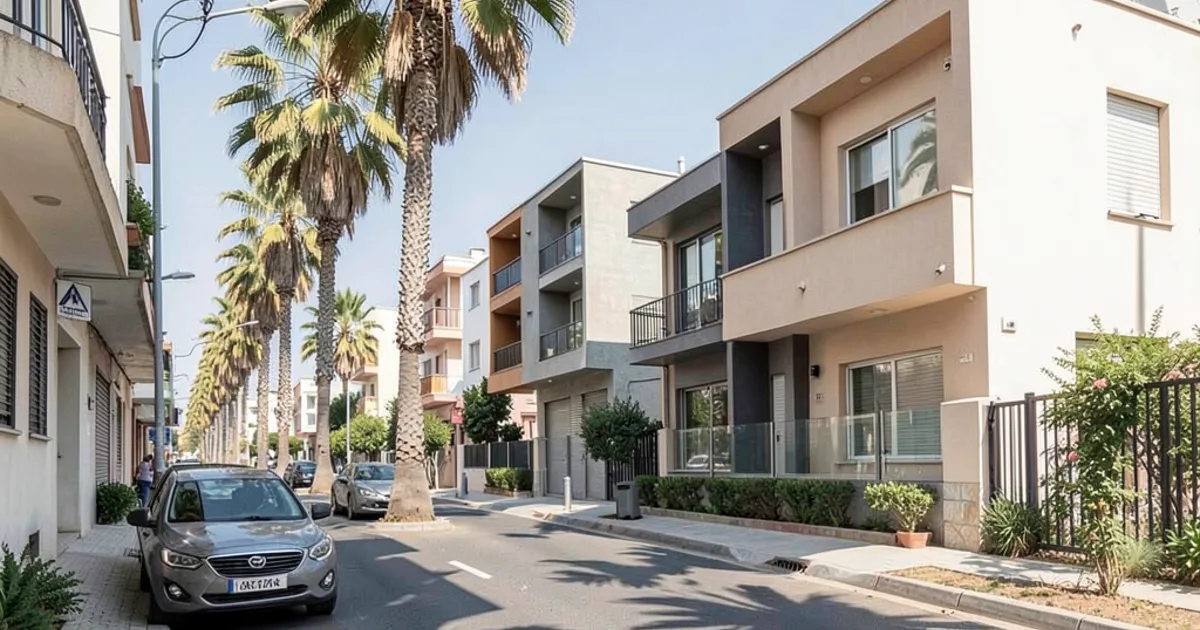
The allure of Jaffa, with its ancient port, vibrant flea market, and charming stone architecture, captivates many, including those from the United Kingdom seeking a unique property investment or a new home. For a first-time buyer from the UK, navigating the Israeli real estate market, especially in a historically rich area like Jaffa, can seem daunting due to differing legal frameworks, cultural nuances, and financial processes. This comprehensive guide, brought to you by TelAvivHomes, is designed to demystify the journey, providing a clear, step-by-step roadmap from initial exploration to finally holding the keys to your very own Jaffa apartment.
- Understanding the Jaffa Property Landscape and Your Motivation
- Initial Financial Planning and Budgeting from the UK Perspective
- Engaging a Specialist Real Estate Agent in Tel Aviv/Jaffa
- The Search and Identification of Suitable Properties
- Making an Offer and the Binding Memorandum of Understanding
- Engaging an Israeli Property Lawyer and Due Diligence
- Securing Financing: Israeli Mortgage (Mashkanta) Considerations
- The Formal Purchase Agreement and Payment Schedule
- Registration at the Tabu (Land Registry) and Final Ownership
- Post-Purchase Essentials: Arnona, Utilities, and Community Integration
Understanding the Jaffa Property Landscape and Your Motivation
Before embarking on any property search, a UK first-time buyer interested in Jaffa must first gain a deep understanding of the local market dynamics and clearly define their motivation. Jaffa's real estate differs significantly from other Tel Aviv neighborhoods like the modern high-rises of Ramat Aviv or the Bauhaus charm of the City Centre. Properties here often feature historic elements, requiring careful consideration of renovation potential, building preservation regulations, and the unique character of areas such as Old Jaffa, the American-German Colony, or the periphery of the flea market.
Your motivation for purchasing in Jaffa will heavily influence your search criteria and subsequent decisions. Are you seeking a primary residence, a holiday home, or an investment property for rental income? Each of these objectives comes with distinct implications regarding property size, location within Jaffa, potential rental yields, and even the necessary legal and tax considerations. For instance, an investment property might prioritize access to tourist attractions and rental demand, while a primary residence might focus on community amenities and proximity to essential services.
It's also crucial to consider the 'feel' of Jaffa itself. While immensely charming, it’s a diverse and bustling area. Some parts are undergoing significant gentrification, while others retain a more traditional character. Visiting different micro-neighborhoods within Jaffa, perhaps near the clock tower, closer to Florentin, or overlooking the sea, will provide invaluable insight into where you feel most at home and where your investment aligns best with your lifestyle or financial goals. This initial exploration phase is critical for setting realistic expectations and refining your property wishlist.
Finally, understand that 'small apartment' in Jaffa can mean anything from a studio in a renovated historic building to a compact two-bedroom unit. Properties here often come with unique layouts due to their age and historical context. Be prepared for potentially smaller living spaces compared to UK norms, but also for architectural character that is truly one-of-a-kind.
Initial Financial Planning and Budgeting from the UK Perspective
Financial planning is paramount for any property purchase, and for a UK first-time buyer in Jaffa, it involves a careful consideration of both UK and Israeli financial landscapes. Begin by assessing your available capital, including savings, potential gifts, and any equity from existing assets. It's crucial to factor in not just the property price, but also a significant buffer for associated costs, which in Israel, can be substantial.
One of the primary considerations is currency exchange. Fluctuations between the British Pound and the Israeli Shekel can impact your overall budget, so monitoring exchange rates and potentially consulting with a foreign exchange specialist is advisable. Understand how much of your capital you are comfortable converting and at what stage of the process. Early planning here can save considerable sums.
You'll also need to budget for various Israeli transaction costs. These include Mas Rekhisha (purchase tax), which is a tiered tax based on the property value, legal fees for both your solicitor and potentially the seller's, valuation fees, and registration fees at the Tabu (land registry). These costs can collectively add a significant percentage to the property price, so allocating a healthy contingency fund is non-negotiable.
While this guide avoids specific numbers, understand that Mas Rekhisha is a progressive tax, meaning higher value properties incur a higher percentage. Legal fees typically range, and a notary's fee for signing the power of attorney or other documents will also be incurred. Don't forget potential renovation costs if you're eyeing an older Jaffa property, as these can quickly add up and should be part of your initial financial calculations.
Engaging a Specialist Real Estate Agent in Tel Aviv/Jaffa
For a UK first-time buyer navigating an unfamiliar market, engaging a reputable and experienced real estate agent specializing in Jaffa properties is not merely helpful, but essential. Look for an agent with a deep understanding of the local nuances, including specific neighborhood characteristics, property values, and the complex legalities involved. They should be fluent in English and accustomed to working with international clients.
A good agent will do more than just show you properties; they will act as your advocate, guiding you through the search, negotiation, and even connecting you with other necessary professionals. They should be able to provide insights into potential pitfalls, explain local customs, and help you understand the true value of properties within Jaffa's diverse market, distinguishing between, for example, a renovated gem in Old Jaffa and a fixer-upper near the Clock Tower.
When selecting an agent, consider their track record, client testimonials, and their specific expertise in Jaffa. Ask about their communication style and availability, especially given the time difference between the UK and Israel. A strong working relationship with your agent will be a cornerstone of a smooth purchasing process, as they will be your eyes and ears on the ground.
Be clear about your budget, property preferences, and motivations from the outset. This transparency allows your agent to effectively filter listings and present you with options that genuinely match your criteria, saving you time and effort. They can also advise on typical market prices, helping you avoid overpaying in a competitive market like Jaffa.
The Search and Identification of Suitable Properties
With your budget set and your agent engaged, the exciting phase of property search begins. Your agent will meticulously curate a list of properties that align with your requirements, leveraging their local network and access to various listing platforms. Jaffa offers a wide array of property types, from charming, albeit compact, apartments in historic stone buildings to more contemporary units in newer developments on its periphery.
When reviewing listings, pay close attention to details beyond just square footage. Consider the building's condition, the age of the infrastructure, and any specific preservation orders that might apply to historic properties in Jaffa. Your agent should be able to provide context on the immediate surroundings, including noise levels, proximity to amenities, and the general character of the street or alleyway.
For UK buyers, it's often beneficial to schedule an intensive viewing trip to Jaffa. This allows you to experience the properties firsthand, gauge the neighborhood vibe, and ask detailed questions on site. If an immediate trip isn't feasible, leverage technology: insist on comprehensive video tours, detailed photographs, and virtual walkthroughs from your agent.
During this phase, maintain open and honest communication with your agent. Provide clear feedback on each property you view or review, explaining what you liked and disliked. This iterative process helps your agent refine their search and ultimately find the perfect small apartment that meets your specific needs and desires within the vibrant tapestry of Jaffa.
Making an Offer and the Binding Memorandum of Understanding
Once you've identified a suitable property in Jaffa, the next step is to make a formal offer through your agent. This offer will typically be expressed in Israeli Shekels and will include your proposed purchase price, desired closing date, and any specific conditions you wish to include. Your agent will then negotiate with the seller's agent or directly with the seller on your behalf, aiming to reach a mutually agreeable price and terms.
Upon verbal agreement, the next critical stage is the signing of a 'Zichron Devarim' (Binding Memorandum of Understanding) or a preliminary agreement. This document, while not the full contract, is legally binding in Israel and outlines the key terms of the sale, including the property address, agreed price, payment schedule, and a target date for signing the full contract. It's absolutely crucial that you have an Israeli property lawyer review this document thoroughly before you sign it, even if it seems like a preliminary step.
The Zichron Devarim often involves a small initial deposit, typically a few percentage points of the purchase price, to demonstrate your serious intent. This deposit is usually held in trust by the seller's lawyer. Your lawyer will ensure that protective clauses are included, such as conditions for the return of the deposit if specific legal or financial issues arise during due diligence.
It's important to understand the legal weight of this memorandum. In Israel, it can be considered a binding contract if it contains all essential terms. Therefore, never sign such a document without prior legal counsel. This step transitions the process from informal negotiation to a legally recognized commitment, paving the way for the full contractual agreement.
Engaging an Israeli Property Lawyer and Due Diligence
Simultaneously with making an offer, or even before, you must engage an independent, English-speaking Israeli property lawyer. This is perhaps the most critical professional relationship you will establish during the entire process. Your lawyer's role is to protect your interests, conduct thorough due diligence, and ensure the entire transaction adheres to Israeli law.
Due diligence in Israel is comprehensive. Your lawyer will meticulously examine the 'Tabu' (Land Registry) records to verify ownership, ensure there are no liens, mortgages, or other encumbrances on the property, and confirm that the property's description matches the official records. They will also check for any building violations, outstanding debts (like Arnona municipal tax or utility bills), and ensure all necessary permits are in place for the property as it stands.
Furthermore, your lawyer will review the building's 'Ta'arot' (building plan) and 'Takanon' (building regulations) to understand any restrictions or communal rules that might affect your ownership or future plans for the apartment. This is particularly important in Jaffa, where many buildings are old and may have complex historical or preservation statuses.
They will also advise you on the implications of Mas Rekhisha (purchase tax) and any other applicable taxes, ensuring you understand your financial obligations. This exhaustive legal review is non-negotiable and provides the necessary assurance that you are making a sound purchase free from unforeseen legal complications.
Securing Financing: Israeli Mortgage (Mashkanta) Considerations
For UK first-time buyers who require financing, understanding the Israeli mortgage market (known as 'Mashkanta') is crucial. While it's possible to secure a mortgage in Israel as a non-resident, the terms and requirements can differ significantly from what you might be accustomed to in the UK. Israeli banks will assess your financial stability, income, and credit history, often requiring a larger down payment from non-residents compared to Israeli citizens.
It is highly recommended to work with an independent mortgage broker specializing in Israeli mortgages for non-residents. They can navigate the various banks, compare interest rates, and help you compile the extensive documentation required, which often includes proof of income, bank statements from the UK, and potentially a credit report from your home country. Be prepared for a thorough vetting process.
The mortgage application process can be time-consuming, so initiating this early in your property search is wise, even before a specific property is identified. Obtaining a pre-approval or understanding your borrowing capacity will give you a clear advantage when making an offer. Different types of mortgages are available, including fixed-rate, variable-rate, and those linked to the Israeli consumer price index, each with its own advantages and risks.
Be aware of additional costs associated with a Mashkanta, such as opening fees, appraisal fees, and mortgage insurance. Your broker will explain the repayment structures and any penalties for early repayment. It's a complex area, and expert guidance is essential to secure the most favorable terms for your specific financial situation.
The Formal Purchase Agreement and Payment Schedule
Once due diligence is complete and financing (if applicable) is arranged, your lawyer will draft the comprehensive 'Heskem Mekhira' (Purchase Agreement). This is the definitive legal document outlining every aspect of the sale, including the exact property description, the final purchase price, the detailed payment schedule, and the precise conditions under which the ownership will be transferred. This document is far more detailed than the initial memorandum.
The payment schedule in Israel typically involves several installments, with the largest portion often paid upon signing the agreement and subsequent payments tied to specific milestones, such as receiving bank approval for a mortgage or the seller vacating the property. The final payment is usually made upon the transfer of ownership at the Tabu. Your lawyer will ensure that each payment is contingent on the seller fulfilling their obligations.
It's customary for payments to be made via bank transfer, and your lawyer will often hold funds in escrow or facilitate direct transfers to the seller's lawyer's trust account to ensure security. At this stage, you will also typically pay the Mas Rekhisha (purchase tax) to the Israeli tax authorities. Your lawyer will guide you through the process of calculating and remitting this tax.
Both you and the seller will sign the Purchase Agreement in the presence of your respective lawyers. This is a significant moment, legally binding both parties to the transaction. Your lawyer will ensure all clauses protect your interests, including clauses regarding any necessary repairs, outstanding debts, and the precise handover date of the property.
Registration at the Tabu (Land Registry) and Final Ownership
The final and most crucial step in securing your ownership of the Jaffa apartment is the registration of the property in your name at the 'Tabu' (Land Registry Office). This official registration is what legally transfers the title of the property from the seller to you, making you the undisputed owner in the eyes of Israeli law. Without Tabu registration, your ownership is not fully secured.
Your lawyer will handle this entire process, submitting all necessary documentation, including the signed Purchase Agreement, proof of payment of Mas Rekhisha, and any other relevant certificates. The Tabu process can take some time, ranging from several weeks to a few months, depending on the complexity of the property and the current workload of the registry office. During this period, your lawyer will periodically check on the status of the registration.
Upon successful registration, you will receive a certified copy of the Tabu extract ('Nesach Tabu') reflecting your name as the new owner. This document is your definitive proof of ownership. Your lawyer will also ensure that any previous liens or mortgages on the property are removed from the Tabu records at this stage.
This marks the official completion of the purchase process. You are now the legal owner of your small apartment in Jaffa! While the keys might have been handed over earlier, the Tabu registration is the ultimate legal confirmation of your property rights. Your lawyer will also ensure that the property is registered in your name for municipal taxes (Arnona) and utility bills.
Post-Purchase Essentials: Arnona, Utilities, and Community Integration
Congratulations, you're a Jaffa homeowner! However, the journey doesn't end with Tabu registration. There are several essential post-purchase steps to ensure a smooth transition into your new life or investment. First and foremost is setting up or transferring utility accounts, electricity (Hever HaHashmal), water (Mei Avivim), and gas (if applicable). Your real estate agent or lawyer can often assist with this, or you may need to visit the respective utility companies.
Next, and critically, is registering for 'Arnona,' the municipal property tax. This tax is levied by the Tel Aviv-Jaffa municipality and is based on the property's size and location. Your lawyer will usually ensure this transfer happens as part of the closing process, but it's important to confirm you are receiving the bills in your name. Failure to pay Arnona can lead to significant penalties.
If you plan to reside in Jaffa, even part-time, consider integrating into the local community. This might involve exploring local markets, joining community groups, or enrolling in an 'Ulpan', an intensive Hebrew language school. Learning some basic Hebrew will significantly enhance your experience and ease daily interactions in this vibrant, multicultural neighborhood.
Finally, think about property management if you're not planning to reside there full-time. A local property management company can handle rentals, maintenance, and communicate with the building committee on your behalf. This ensures your Jaffa apartment is well-maintained and generating income, allowing you to enjoy your investment without the day-to-day logistical burdens from afar.
FAQ
Can I get a mortgage in Israel as a non-resident UK citizen?
Yes, it is possible for non-resident UK citizens to obtain a 'Mashkanta' (mortgage) in Israel, though terms may differ, typically requiring a larger down payment and extensive documentation. Consulting an Israeli mortgage broker specializing in non-residents is highly recommended.
What is 'Tabu' and why is it so important in the Jaffa buying process?
The 'Tabu' is Israel's Land Registry Office. Its importance lies in being the official government body that legally records property ownership, ensuring your title to the Jaffa apartment is recognized and protected under Israeli law.
What is 'Mas Rekhisha' and how does it affect my budget for a Jaffa apartment?
'Mas Rekhisha' is the purchase tax in Israel, a tiered tax based on the property's value. It significantly impacts your overall budget, as it's an additional cost paid to the Israeli tax authorities, typically arranged by your lawyer.
Do I need to learn Hebrew to buy property in Jaffa?
While not strictly necessary for the transaction itself (as professionals will be English-speaking), learning some Hebrew ('Ulpan') is highly recommended for daily life, community integration, and enhancing your overall experience of living in Jaffa.
Get your personalised shortlist
Listings and up-to-date info, straight to your inbox, free, no obligation.
See Tel Aviv homes →