How does Arnona (municipal tax) for a rented apartment in Florentin compare to other central Tel Aviv neighborhoods?
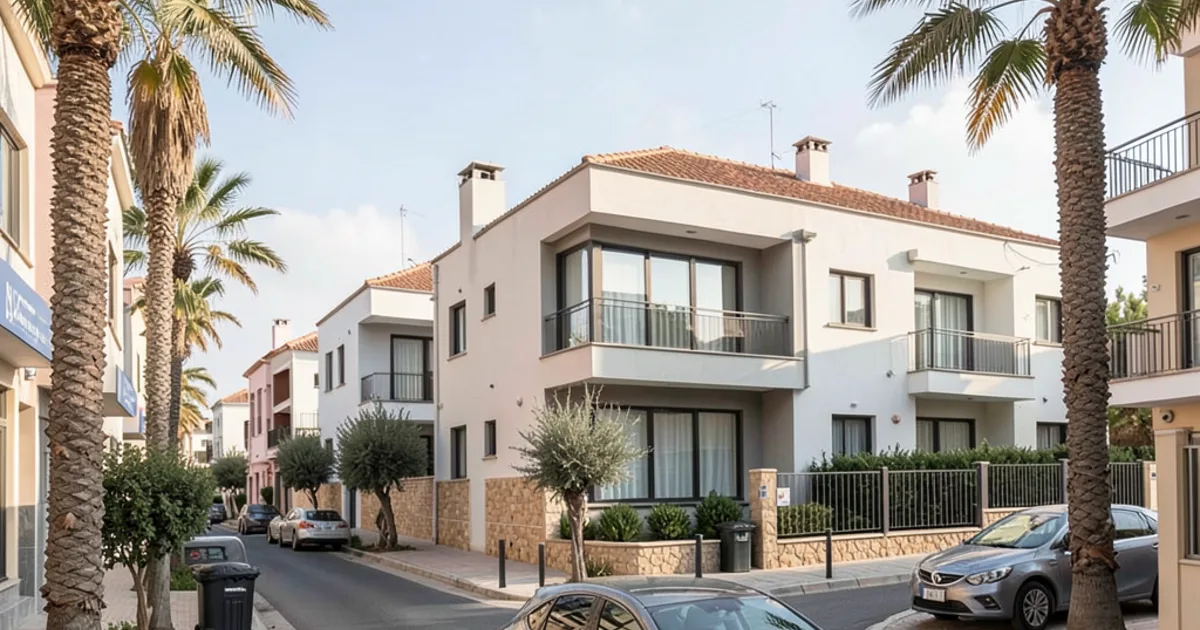
As Tel Aviv continues to be one of the most dynamic and sought-after urban centers globally, understanding the full cost of living, particularly for renters, is paramount. Beyond the monthly rent, a significant ongoing expense is Arnona, the municipal tax levied on properties. For those considering a rental apartment in the vibrant Florentin neighborhood, a common and crucial question arises: how does its Arnona compare to other central Tel Aviv areas? This in-depth guide, brought to you by TelAvivHomes, aims to provide a comprehensive comparison, offering invaluable insights for prospective tenants.
- What Exactly is Arnona and How is it Calculated in Tel Aviv?
- Florentin's Unique Profile: A Blend of Old and New
- Central Tel Aviv Neighborhoods for Comparison: Defining Our Scope
- Arnona in Neve Tzedek: Historic Charm, Premium Costs
- Arnona in the City Center (Rothschild Boulevard Area): Urban Sophistication
- Arnona in the Old North: Family-Friendly and Established
- The Jaffa Factor: Heritage and Gentrification's Influence on Arnona
- Comparing Florentin's Arnona: A Nuanced Perspective
- Beyond Arnona: Hidden Costs and Rental Considerations
- Actionable Advice for Renters in Tel Aviv
- The TelAvivHomes Advantage: Your Trusted Partner
What Exactly is Arnona and How is it Calculated in Tel Aviv?
Arnona is Israel's municipal property tax, a compulsory levy collected by local authorities to fund essential public services such as sanitation, education, infrastructure maintenance, and cultural activities. For renters, it's typically an additional cost on top of the monthly rent, though sometimes landlords may include it in an all-inclusive rental price, particularly in short-term or furnished rentals. Understanding its calculation is the first step to making informed decisions about where to live.
The calculation of Arnona in Tel Aviv, as in other municipalities, is complex and depends on several key factors. The primary determinant is the size of the property, usually measured in square meters, though the municipality might use various internal classifications such as 'gross area' or 'net area' for their calculations. This measurement is then multiplied by a per-square-meter rate, which varies significantly based on the property's designated use (residential, commercial, industrial) and its specific geographical zone within the city.
Beyond size and zone, other factors can influence the final Arnona bill. The type of building, its age, and even the number of rooms can sometimes play a subtle role in the municipal assessment, although these are typically secondary to the primary factors. It's also important to note that the Tel Aviv municipality periodically reassesses property values and adjusts Arnona rates, so what holds true today might see minor adjustments in the future, necessitating a check of the most current municipal guidelines.
Florentin's Unique Profile: A Blend of Old and New
Florentin, located in the southern part of central Tel Aviv, has undergone a dramatic transformation over the past few decades. Once an industrial and working-class neighborhood, it has blossomed into a trendy, bohemian hub, attracting artists, young professionals, and creative types. This evolution means its housing stock is incredibly diverse, ranging from beautifully renovated historic buildings to modern, newly constructed apartment complexes.
The architectural diversity within Florentin directly impacts Arnona assessments. Older, perhaps smaller apartments in less recently renovated buildings might fall into a lower Arnona bracket compared to a brand-new, luxury apartment in a high-rise development in the same neighborhood. This internal variation within Florentin itself means that a blanket statement about its Arnona rates can be misleading; specifics of the property matter greatly.
Furthermore, Florentin's geographical position, bordering neighborhoods like Neve Tzedek, Jaffa, and the southern parts of the City Center, places it in a unique zoning category. While it shares some characteristics with its more affluent neighbors, its historical classification and ongoing development status often position it differently in the municipal tax landscape. This blend of old charm and new development creates a diverse Arnona profile that warrants careful consideration.
Central Tel Aviv Neighborhoods for Comparison: Defining Our Scope
To provide a meaningful comparison, we'll focus on several key central Tel Aviv neighborhoods that offer a range of living experiences and property types. These areas represent different segments of the market, from established and affluent to rapidly developing, allowing for a nuanced understanding of Arnona variations. Each of these neighborhoods has a distinct character and, crucially, a potentially different Arnona assessment methodology.
Our comparison will include areas such as Neve Tzedek, known for its historic charm and high-end properties; the Rothschild Boulevard / City Center area, characterized by its Bauhaus architecture and central business district proximity; and perhaps parts of the Old North, which features larger, more established family apartments. Each of these zones carries its own municipal valuation philosophy, which directly translates into varying Arnona rates per square meter.
It's important to understand that 'central Tel Aviv' is a broad term, and even within these chosen neighborhoods, specific streets or blocks can have slightly different classifications. The municipality divides the city into various zones, each with its own base rate for Arnona. Therefore, while we speak broadly of neighborhoods, the specific zoning map used by the Tel Aviv municipality is the ultimate arbiter of the base Arnona rate applicable to any given property.
Arnona in Neve Tzedek: Historic Charm, Premium Costs
Neve Tzedek, Tel Aviv's first Jewish neighborhood outside of Jaffa, is renowned for its picturesque streets, boutique shops, and beautifully preserved historic homes. Properties here are often smaller in footprint but command premium rental prices due to their unique character, prime location, and high demand. This premium extends, in many cases, to the Arnona as well.
Due to its historical significance, meticulous preservation efforts, and desirability, Neve Tzedek properties often fall into a higher municipal valuation bracket. Even for a modest-sized apartment, the per-square-meter Arnona rate can be notably higher than in less established or rapidly developing areas. The municipality tends to assign higher rates to areas perceived as more affluent or desirable, reflecting the amenities and infrastructure available.
Renters in Neve Tzedek should anticipate Arnona figures that are on the higher end of the spectrum for central Tel Aviv. While the absolute amount might not be astronomical for a smaller unit, the rate per square meter is a clear indicator of the neighborhood's premium status. This is a crucial factor to budget for when considering the overall cost of living in this charming, albeit expensive, locale.
Arnona in the City Center (Rothschild Boulevard Area): Urban Sophistication
The City Center, particularly around Rothschild Boulevard and its adjacent streets, represents the heart of Tel Aviv's urban sophistication. This area is characterized by its iconic Bauhaus architecture, bustling cafes, cultural institutions, and proximity to major business hubs. Rental properties here range from beautifully restored historic apartments to sleek, modern high-rises. The Arnona rates in this prime location reflect its central importance.
Properties in the Rothschild Boulevard vicinity and the broader City Center are generally assessed with a higher Arnona rate compared to many other parts of Tel Aviv. This is attributable to the high demand for living in the absolute core of the city, the excellent public services, and the perceived value of the real estate. The municipality recognizes the premium nature of this location and adjusts its tax rates accordingly.
For renters, this means that even an average-sized apartment in the City Center will likely incur a substantial Arnona bill. While there might be some variation between a renovated classic building and a newer development, the overarching trend is towards higher municipal taxes due to the area's prime classification. It's a trade-off for unparalleled access to the city's vibrant pulse.
Arnona in the Old North: Family-Friendly and Established
The Old North of Tel Aviv, encompassing areas like Dizengoff, Basel, and parts of Ibn Gabirol, is known for its more spacious, family-friendly apartments and established residential character. While still central, it offers a slightly different ambiance than the bustling core, with more green spaces and a quieter, more residential feel. Arnona rates here present another interesting point of comparison.
Properties in the Old North, especially those in well-maintained older buildings, often fall into a mid-to-high range for Arnona. While not always as high per square meter as the absolute prime City Center, the fact that apartments here tend to be larger means the total Arnona bill can still be significant. The area's excellent schools, parks, and quality of life contribute to its higher municipal valuation.
Newer developments in the Old North, particularly those with modern amenities and high-end finishes, will likely see Arnona rates comparable to, or even exceeding, some parts of the City Center. The municipality assesses these properties based on their modern value and the amenities they offer. Renters seeking more space in a desirable, established neighborhood should factor in a considerable Arnona expense.
The Jaffa Factor: Heritage and Gentrification's Influence on Arnona
Jaffa, with its rich history, ancient port, and diverse population, has seen significant gentrification and development in recent years. While technically a distinct municipality until its merger with Tel Aviv, it retains a unique character. Its Arnona rates are influenced by both its historical classifications and the ongoing urban renewal projects transforming parts of the area.
Arnona rates in Jaffa can be highly variable, often depending on the specific sub-neighborhood and the age/condition of the property. For instance, a renovated apartment in Old Jaffa or near the port might command a higher Arnona rate, reflecting its tourist appeal and increased property values. Conversely, older, less developed areas within Jaffa might have comparatively lower rates.
The Tel Aviv municipality has been investing heavily in Jaffa's infrastructure and public spaces, which generally leads to an upward pressure on Arnona rates over time. Renters in Jaffa should be prepared for a range of Arnona figures, often influenced by the property's proximity to tourist attractions, its level of renovation, and its overall desirability within the rapidly changing Jaffa landscape. It's a complex picture, reflecting the area's dynamic evolution.
Comparing Florentin's Arnona: A Nuanced Perspective
When we bring Florentin into direct comparison with these central neighborhoods, a nuanced picture emerges. Generally, for a similar-sized, similarly equipped apartment, Florentin's Arnona might be perceived as somewhat lower than in Neve Tzedek or the absolute prime City Center. This is often due to its historical classification and the ongoing nature of its gentrification, which means not all parts of Florentin command the same premium as Tel Aviv's long-established affluent areas.
However, this general observation comes with significant caveats. A newly built, luxury apartment in a high-rise in Florentin, complete with modern amenities and a high-end finish, will likely have an Arnona rate that is competitive with, or even surpasses, rates for older properties in the Old North. The 'new Florentin' developments are assessed differently than the 'old Florentin' industrial-chic lofts.
Therefore, for renters, the key takeaway is that Florentin offers a spectrum. You might find a charming, renovated older apartment with a more moderate Arnona, or a sleek, new property with Arnona rates that align closely with other premium central locations. It's not a uniformly 'cheap' Arnona neighborhood, but rather one that reflects its diverse and evolving property landscape.
Key factors influencing Florentin's Arnona relative to others:
- Age of the building: Newer constructions generally have higher assessments.
- Level of renovation: Extensively renovated units often incur higher Arnona.
- Specific street/block: Proximity to amenities or prime areas within Florentin can affect rates.
- Property classification: Residential units often have different rates than mixed-use properties.
Beyond Arnona: Hidden Costs and Rental Considerations
While Arnona is a significant ongoing expense, it's crucial for renters to consider other 'hidden' costs that contribute to the overall monthly outlay. These can include building maintenance fees (Va'ad Bayit), which cover common area cleaning, elevator maintenance, and sometimes even building insurance. These fees can vary dramatically, from a nominal amount in older buildings to several hundred shekels in luxury high-rises with extensive amenities.
Utilities such as electricity, water, and gas are also variable expenses that need to be budgeted for. Tel Aviv's climate means air conditioning use can be substantial for several months of the year, leading to higher electricity bills. Internet and television services are additional, often overlooked, costs. It's always advisable to inquire about average utility bills from previous tenants or the landlord.
Furthermore, renters should be aware of the 'binding memorandum' (zichron devarim) which sometimes precedes a full rental contract. While not always legally binding on its own, it can outline initial terms. The full rental contract (Heskem Schira) will detail all financial obligations. Legal fees for reviewing the contract, although not always mandatory, are highly recommended to ensure all terms, including Arnona responsibility, are clear. Mas Rekhisha (purchase tax) and Mas Shevah (capital gains tax) are generally not relevant for renters, but understanding the broader real estate terminology like Tabu (land registry) can be helpful for context.
Actionable Advice for Renters in Tel Aviv
When searching for a rental apartment in Tel Aviv, especially comparing areas like Florentin to other central neighborhoods, always ask for the exact Arnona amount for the specific property you are considering. Do not rely on general neighborhood averages, as individual property characteristics can lead to significant variations. The landlord or real estate agent should be able to provide this information, often from a recent Arnona bill.
Beyond the Arnona, thoroughly investigate the Va'ad Bayit (building maintenance) fees. These can add a substantial amount to your monthly expenses, particularly in newer or more amenity-rich buildings. Ensure you understand what these fees cover and how frequently they are paid. A transparent breakdown of all recurring costs is essential for accurate budgeting.
Consider the total monthly outlay, not just the rent. Add the rent, Arnona, Va'ad Bayit, and an estimated amount for utilities to get a true picture of your monthly financial commitment. This holistic approach will prevent any unpleasant surprises and allow you to make a financially sound decision about your new home in Tel Aviv. Don't hesitate to consult with a local real estate advisor from TelAvivHomes who can provide specific guidance based on current market conditions and municipal regulations.
Finally, remember that the Tel Aviv rental market is dynamic. While Arnona rates are relatively stable for a given property in the short term, broader market trends and municipal policy changes can influence them. Staying informed and conducting due diligence for each property is the best strategy.
The TelAvivHomes Advantage: Your Trusted Partner
Navigating the complexities of the Tel Aviv rental market, especially when it comes to understanding nuanced costs like Arnona across diverse neighborhoods, can be challenging. This is where TelAvivHomes, your trusted English-speaking advisor, comes in. Our expertise is rooted in a deep understanding of the local real estate landscape, from the vibrant streets of Florentin to the historic alleys of Neve Tzedek.
We pride ourselves on providing clear, accurate, and actionable advice to our clients. Our team can assist you in comparing not just rental prices, but also the associated costs like Arnona and Va'ad Bayit, ensuring you have a complete financial picture before making a commitment. We leverage our knowledge of municipal zoning and property classifications to give you the most precise information available.
Whether you're a newcomer to Tel Aviv or a seasoned resident looking for a new home, TelAvivHomes offers personalized service to match you with properties that meet both your lifestyle and your budget. We believe in transparency and empowering our clients with the information they need to make confident decisions. Let us guide you through the process, making your search for a rental apartment in Tel Aviv as smooth and informed as possible.
FAQ
Is Arnona always paid by the renter in Tel Aviv?
In most long-term rental agreements in Tel Aviv, the Arnona is the responsibility of the tenant. However, in some short-term or furnished rentals, the landlord might include it in the overall rental price. Always clarify this point in your rental contract.
Can I get a discount on Arnona as a new resident or student?
The Tel Aviv municipality offers various Arnona discounts (hefket Arnona) for eligible residents, including new immigrants (Olim Hadashim), seniors, students, and low-income individuals. Eligibility criteria and discount percentages vary, so it's advisable to check with the municipality directly.
How often does the Arnona rate change in Tel Aviv?
Arnona rates are generally set annually by the municipality, although significant changes are not frequent. The base rates per square meter for different zones are periodically reviewed and adjusted, but not necessarily every year. It's always best to inquire about the current year's rates.
What is the difference between 'gross area' and 'net area' for Arnona calculation?
The Tel Aviv municipality uses its own internal definitions for property size when calculating Arnona, which might differ from an architect's 'net' or 'gross' area. It's important to ask for the Arnona amount based on the municipality's assessment for the specific property, rather than relying solely on advertised square footage.
Get your personalised shortlist
Listings and up-to-date info, straight to your inbox, free, no obligation.
See Tel Aviv homes →