How does the rental market for long-term furnished apartments in Jaffa compare to short-term holiday rentals?
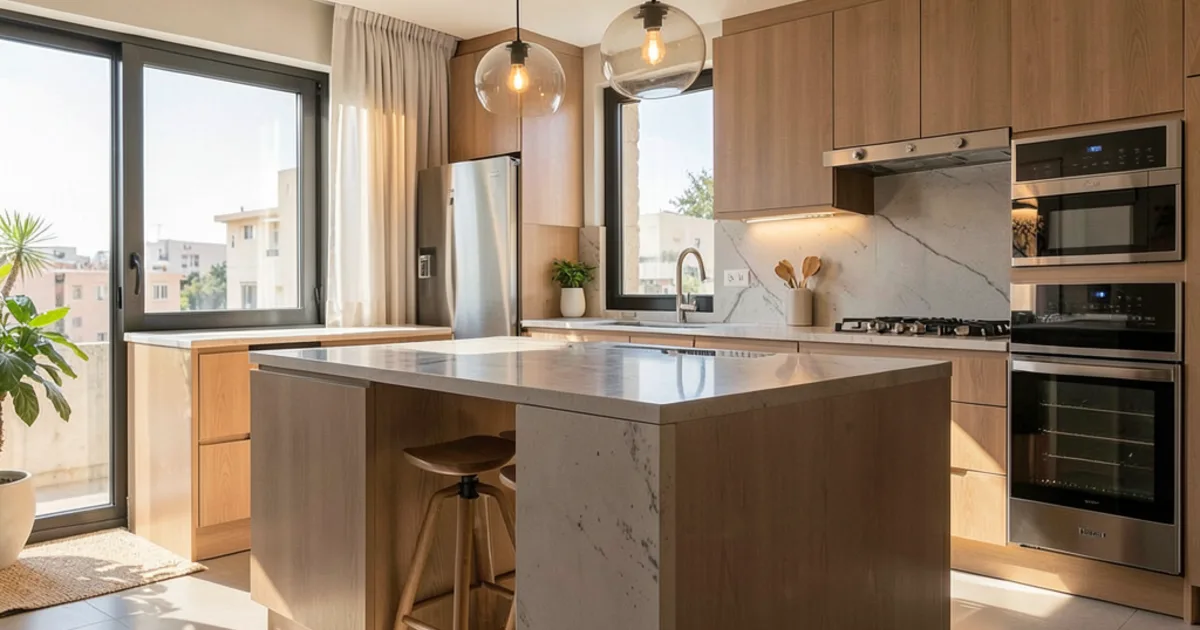
Jaffa, with its ancient charm, vibrant art scene, and stunning Mediterranean views, presents a compelling landscape for real estate investors. The historical port city, now an integral part of Tel Aviv, offers a unique blend of old-world allure and modern urban living, making its rental market particularly intriguing. For property owners and prospective investors, understanding the nuances between long-term furnished rentals and short-term holiday accommodations is crucial for maximizing returns and navigating the local regulatory environment. This comprehensive guide, brought to you by TelAvivHomes, delves deep into these two distinct market segments, offering actionable insights for informed decision-making.
- Defining the Jaffa Rental Market: Long-Term Furnished vs. Short-Term Holiday
- Profitability Potentials: Which Market Offers Greater Returns?
- Demand Dynamics: Who is Renting in Jaffa and Why?
- Legal and Regulatory Landscape in Israel: Navigating the Bureaucracy
- Operational Management: The Day-to-Day Realities
- Tenant and Guest Profiles: Understanding Your Audience
- Property Maintenance and Wear & Tear: A Comparative Analysis
- Investment Horizon and Exit Strategy Considerations
- Financing and Insurance: What Lenders and Insurers Look For
- Market Niche and Unique Selling Propositions in Jaffa
- The TelAvivHomes Advantage: Expert Guidance for Your Jaffa Investment
Defining the Jaffa Rental Market: Long-Term Furnished vs. Short-Term Holiday
The Jaffa rental market can be broadly categorized into two primary segments: long-term furnished rentals and short-term holiday rentals. Each serves a distinct demographic and operates under different market dynamics, requiring a tailored approach from property owners. Long-term furnished rentals typically cater to residents seeking stability, often for periods exceeding several months, including expatriates, local professionals, or families relocating.
Conversely, short-term holiday rentals, often facilitated through platforms like Airbnb or Booking.com, target tourists, business travelers, and visitors looking for temporary accommodation. These stays generally range from a few nights to a few weeks, driven by seasonal demand and events. The appeal of Jaffa's historical sites, bustling flea market, and proximity to Tel Aviv's beaches makes it a prime location for both types of renters.
Understanding the core differences in tenant profiles, typical lease durations, and the expectations associated with each type of rental is the first step towards a successful investment strategy. While both can be profitable, they demand different levels of engagement, capital investment, and risk assessment. Jaffa's unique character amplifies these distinctions, offering both challenges and opportunities for the discerning investor.
Profitability Potentials: Which Market Offers Greater Returns?
When evaluating profitability, both long-term furnished and short-term holiday rentals in Jaffa present distinct financial landscapes. Short-term rentals often boast higher nightly rates, particularly during peak tourist seasons or major holidays, leading to a potentially higher gross income per month if occupancy rates are consistently high. This can be particularly attractive in a desirable location like Jaffa, which sees a steady influx of international and domestic visitors.
However, the higher gross income of short-term rentals comes with significantly higher operational costs and greater volatility. Expenses include more frequent cleaning services, utility bills (often included in the nightly rate), concierge services, marketing, and platform fees. Moreover, occupancy rates can fluctuate drastically with seasonality, economic downturns, or unforeseen global events, leading to periods of reduced income. This necessitates a robust financial buffer and active management.
Long-term furnished rentals, while typically generating a lower monthly rent per square meter compared to peak short-term rates, offer greater stability and predictability. Operating costs are generally lower, as tenants often cover utilities, and cleaning is less frequent. The consistent income stream and reduced vacancy risk can provide a more reliable cash flow, appealing to investors prioritizing steady returns over fluctuating high-yield potential. The furnishing aspect adds an upfront cost but can command a premium over unfurnished long-term options.
Demand Dynamics: Who is Renting in Jaffa and Why?
The demand for long-term furnished rentals in Jaffa is primarily driven by a diverse group of individuals seeking a more permanent base in a culturally rich and vibrant area. This includes expatriates working in Tel Aviv's burgeoning tech sector, often on multi-year contracts, who appreciate the convenience of a ready-to-move-in home. Additionally, young professionals, artists, and academics are drawn to Jaffa's unique atmosphere and its proximity to central Tel Aviv's employment opportunities and cultural institutions.
Families, both local and international, also contribute to this demand, particularly those looking for a unique living experience away from the hustle and bustle of the city center but still within easy reach. The availability of furnished options significantly reduces the logistical burden of relocation, making these properties highly attractive. This demographic values stability, access to amenities, and a sense of community, which Jaffa offers in abundance.
Short-term rental demand, on the other hand, is overwhelmingly fueled by tourism and transient visitors. Jaffa's ancient port, charming alleyways, historic churches and mosques, and vibrant flea market are major draws for international tourists. Business travelers attending conferences or short-term projects in Tel Aviv also frequently opt for short-term rentals, appreciating the home-like comfort and local experience they offer over traditional hotels. The proximity to popular areas like Neve Tzedek and Florentin further enhances its appeal to this demographic, ensuring a steady stream of potential guests, especially during peak seasons.
Legal and Regulatory Landscape in Israel: Navigating the Bureaucracy
Navigating the legal and regulatory landscape is a critical aspect for any property investor in Israel, and Jaffa is no exception. For long-term rentals, the legal framework is relatively straightforward, governed by standard tenancy laws. Lease agreements typically define terms like rent, duration, maintenance responsibilities, and security deposits. Property owners must ensure compliance with local municipality regulations, including Arnona (municipal property tax) payments, which are usually passed on to the tenant or factored into the rent.
Short-term rentals, however, operate in a more complex and evolving regulatory environment. While Israel generally allows short-term rentals, municipalities like Tel Aviv-Jaffa have been exploring or implementing stricter regulations concerning permits, taxation, and zoning. These regulations can include limitations on the number of days a property can be rented out annually, requirements for special licenses, and increased scrutiny regarding safety standards. Investors must stay abreast of these changes to avoid potential fines or legal complications.
Furthermore, tax implications differ significantly. For long-term rentals, income is generally subject to standard income tax rates, though certain exemptions or deductions may apply. Short-term rental income is often viewed differently by the tax authorities, potentially attracting higher rates or specific tourism-related taxes. It is highly advisable to consult with an Israeli tax advisor to understand the full scope of tax obligations, including Mas Rekhisha (purchase tax) and Mas Shevah (capital gains tax) when considering acquisition or sale, and how these apply to different rental models.
Operational Management: The Day-to-Day Realities
The operational demands for long-term furnished rentals are generally less intensive once a tenant is secured. Key responsibilities include initial tenant screening, lease agreement preparation, rent collection, and occasional maintenance requests. While furnishing requires an upfront investment, it typically withstands longer wear and tear with responsible tenants. Property management companies can handle these tasks for a percentage of the rent, offering a hands-off approach for absentee owners.
Short-term rentals, conversely, require a significantly higher level of active management and constant attention. This includes frequent communication with guests, check-ins and check-outs at various hours, professional cleaning services between stays, restocking consumables, and prompt resolution of any guest issues. Marketing and dynamic pricing strategies are also continuous tasks to maximize occupancy and revenue. This intensive operational load often necessitates the engagement of specialized short-term rental management companies, which can command a substantial percentage of the rental income.
Choosing between these models often comes down to an investor's willingness to be hands-on or their budget for professional management. A long-term rental offers a more passive income stream, while a short-term rental, despite its higher income potential, demands a more active, business-like approach. The unique character of Jaffa means that both types of operations benefit from local knowledge and responsiveness to tenant/guest needs.
Tenant and Guest Profiles: Understanding Your Audience
Long-term furnished rentals in Jaffa attract a specific demographic seeking stability, community, and a comfortable, ready-to-live-in environment. This often includes international professionals on extended assignments, families relocating to Tel Aviv, or local residents desiring a higher standard of living without the commitment of purchasing furniture. They typically prioritize reliable utilities, internet access, and a well-maintained property. Their expectations revolve around a seamless living experience, and they are generally respectful of property conditions.
Short-term holiday guests, on the other hand, are looking for an experience. They value convenience, unique aesthetics, and often seek local recommendations and personalized touches. Their stays are brief, so amenities like high-quality linens, welcome packs, and responsive communication are paramount. While they may be less concerned with long-term wear and tear, their expectations for immediate comfort and problem resolution are very high. Managing guest reviews is also a crucial aspect of maintaining booking rates in this segment.
Understanding these distinct profiles is essential for tailoring your property and marketing efforts. For long-term tenants, emphasizing stability, neighborhood amenities, and a comfortable living space is key. For short-term guests, highlighting Jaffa's attractions, unique design elements of the apartment, and seamless check-in processes will be more effective. The character of Jaffa itself is a significant selling point for both, but the emphasis shifts based on the target audience.
Property Maintenance and Wear & Tear: A Comparative Analysis
Property maintenance is a significant consideration for any rental investment, and the chosen model heavily influences its scope and frequency. Long-term furnished rentals generally experience less frequent wear and tear on furniture and appliances. Tenants, being residents, tend to treat the property with more care, similar to their own home. While maintenance issues will arise, they are typically less frequent and can often be addressed during a tenant's occupancy or between longer lease terms, allowing for planned upkeep.
Conversely, short-term holiday rentals are subjected to considerably more intensive wear and tear due to the frequent turnover of guests. Each new guest brings potential for minor damages, increased usage of appliances, and higher utility consumption. Furniture, linens, and kitchenware need to be durable and replaced more often, impacting ongoing operational costs. The need for rapid repairs to ensure the property is guest-ready for the next booking also adds pressure and can increase expenses.
Therefore, while long-term rentals allow for more predictable and often lower maintenance budgets, short-term rentals require a more robust maintenance plan, including regular inspections, preventative measures, and a readily available network of service providers. The choice of materials and furnishings in a short-term rental should prioritize durability and ease of cleaning to mitigate these higher maintenance demands.
Investment Horizon and Exit Strategy Considerations
The ideal investment horizon often correlates with the chosen rental model. Long-term furnished rentals typically align with a longer-term investment strategy, focusing on steady cash flow and capital appreciation over an extended period. The stability of tenants and lower turnover costs contribute to this long-term view, allowing investors to ride out market fluctuations and benefit from the general upward trend of property values in desirable areas like Jaffa. An investor might hold such a property for many years, relying on consistent rental income.
Short-term holiday rentals, while potentially offering quicker returns, can also be part of a short to medium-term strategy, especially if an investor aims to capitalize on high tourist demand or plans to sell the property within a few years. The flexibility to use the property for personal use during off-peak times can also be an attractive, albeit less financially driven, benefit for some investors. However, the higher operational intensity and regulatory uncertainty mean that this model might be less suitable for those seeking a purely passive, long-term asset.
Regarding exit strategy, a property used for long-term rentals often appeals to a broader range of buyers, including owner-occupiers and other long-term investors, potentially simplifying the sale process. A short-term rental, while potentially commanding a premium if it comes with an established booking history and positive reviews, might also face scrutiny from buyers less interested in the operational demands or regulatory risks associated with the short-term market. Understanding your personal investment goals and desired timeline is paramount when choosing between these two approaches in Jaffa.
Financing and Insurance: What Lenders and Insurers Look For
Securing financing for an investment property in Israel, whether for long-term or short-term rental, involves navigating the local banking system. Banks offering Mashkanta (mortgages) will assess the property's value, the borrower's financial stability, and the projected rental income. For long-term rentals, lenders generally view the consistent income stream as less risky, potentially leading to more favorable terms. They look for stable rental agreements and a history of occupancy. The process involves submitting documents like the Tabu (land registry) extract, income statements, and a binding memorandum of sale.
For properties intended for short-term holiday rentals, lenders might exercise more caution due to the volatile nature of income and higher operational costs. Some banks may require a larger down payment or offer less favorable interest rates, viewing these properties as higher risk. It's crucial to clearly articulate your business plan and demonstrate a realistic income projection to potential lenders. Transparency about the intended use is key, as misrepresenting the property's purpose could lead to issues down the line.
Insurance also differs significantly. Standard landlord insurance policies are available for long-term rentals, covering property damage, liability, and sometimes loss of rent. Short-term rentals, however, require specialized insurance policies that account for the higher turnover of guests and increased risk of damage or liability claims. While platforms like Airbnb offer some host protection, it's often advisable to secure a dedicated commercial short-term rental insurance policy to ensure comprehensive coverage. Consulting with an Israeli insurance broker experienced in real estate is highly recommended to ensure adequate protection for your specific rental model in Jaffa.
Market Niche and Unique Selling Propositions in Jaffa
Jaffa's distinct character allows both long-term furnished and short-term rentals to carve out unique market niches. For long-term rentals, the appeal lies in offering a blend of historic charm with modern conveniences. Properties that retain Jaffa's architectural heritage while providing contemporary amenities like high-speed internet, air conditioning, and well-equipped kitchens are highly sought after. Emphasizing the local community, access to unique shops, and cultural institutions can be a strong selling point for expatriates and locals alike.
Short-term rentals in Jaffa thrive on providing an authentic, immersive experience. Properties with stunning sea views, proximity to the Old City, or unique design elements that reflect Jaffa's artistic vibe command higher nightly rates. Offering curated local experiences, such as recommendations for hidden gems, local eateries, or art galleries, can significantly enhance guest satisfaction and lead to positive reviews. The 'story' of the property and its connection to Jaffa's rich history becomes a major unique selling proposition.
Ultimately, success in Jaffa's rental market, regardless of the model, hinges on understanding and leveraging its unique cultural and historical context. Whether catering to a long-term resident seeking a home or a short-term guest desiring an unforgettable experience, aligning your property's offering with Jaffa's distinctive charm will be key to attracting and retaining your target audience. This is where TelAvivHomes' deep local expertise becomes invaluable, helping investors identify and capitalize on these specific market niches.
The TelAvivHomes Advantage: Expert Guidance for Your Jaffa Investment
Navigating the complexities of Jaffa's rental market requires more than just capital; it demands deep local knowledge, regulatory expertise, and a strategic approach. TelAvivHomes brings years of experience in the Tel Aviv and Jaffa real estate sectors, offering unparalleled insights into both long-term furnished and short-term holiday rental opportunities. Our team understands the nuances of property valuation, market demand, and the intricate legal framework specific to Israel, from Tabu registration to Mas Rekhisha implications.
We provide comprehensive advisory services, helping investors assess the profitability of each rental model, understand the associated risks, and develop tailored strategies. Whether you're considering purchasing a property in Jaffa for stable long-term income or aiming to capitalize on the dynamic short-term tourist market, our experts can guide you through every step. From identifying suitable properties in sought-after areas like the Old City, the Flea Market district, or near the port, to connecting you with reliable property management services, we ensure your investment is well-positioned for success.
Our commitment extends beyond just transactions; we aim to be your trusted partner, offering continuous support and up-to-date market intelligence. With TelAvivHomes, you gain access to a network of professionals, including legal advisors, tax consultants, and property managers, all dedicated to optimizing your real estate investment in Jaffa. We empower you to make informed decisions, ensuring your property not only meets but exceeds your investment goals in this vibrant and ever-evolving market.
FAQ
What are the typical lease durations for long-term furnished rentals in Jaffa?
Long-term furnished rentals in Jaffa usually involve lease agreements of at least six months, with one-year contracts being most common. Some tenants, particularly expatriates, might seek multi-year agreements for greater stability.
Are there specific areas in Jaffa more suitable for short-term holiday rentals?
Areas with high foot traffic and proximity to major attractions like Jaffa Old City, the Flea Market, the Port, and the beach are generally more suitable for short-term holiday rentals. Properties with unique historical character or sea views also tend to perform well.
What are the primary challenges of managing a short-term rental in Jaffa?
Primary challenges include high operational costs (cleaning, utilities, supplies), intense competition, managing guest expectations, fluctuating occupancy rates, and navigating evolving municipal regulations regarding short-term accommodations.
How does the Arnona (municipal property tax) apply to furnished rental properties in Jaffa?
Arnona is a municipal tax paid on all properties in Israel. For long-term furnished rentals, it's typically paid by the tenant as part of the rental agreement. For short-term rentals, the property owner is usually responsible for the Arnona payment, as it's considered part of the business operation.
Get your personalised shortlist
Listings and up-to-date info, straight to your inbox, free, no obligation.
See Tel Aviv homes →