What are the common mistakes non-resident buyers make when financing an apartment in Florentin and how to avoid them?
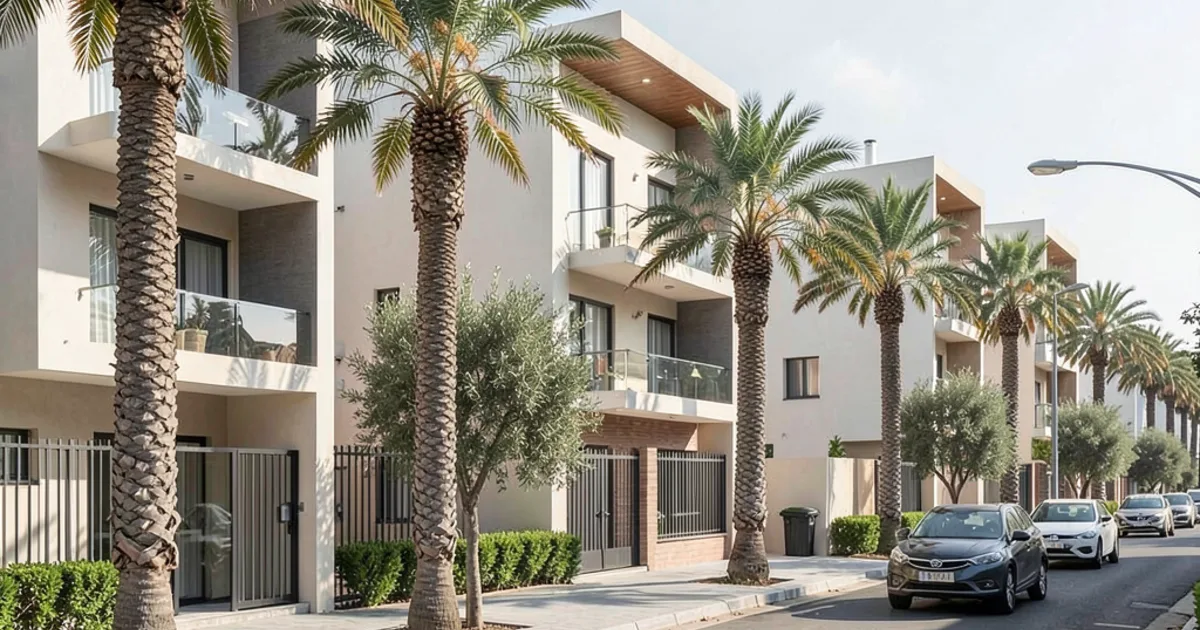
Florentin, with its vibrant street art, bustling cafes, and unique bohemian charm, has long captivated the hearts of both locals and international buyers. For non-residents, the allure of owning an apartment in this dynamic Tel Aviv neighborhood is undeniable. However, navigating the Israeli real estate financing landscape from abroad presents a unique set of challenges. This comprehensive guide from TelAvivHomes aims to shed light on the common pitfalls non-resident buyers encounter when financing their Florentin dream and, more importantly, equip you with the knowledge to sidestep these costly errors.
- Ignoring the Intricacies of Israeli Mortgage Lending for Non-Residents
- Underestimating the True Cost of Ownership Beyond the Purchase Price
- Failing to Prepare Comprehensive and Accurate Documentation
- Neglecting to Secure a Binding Memorandum Early On
- Overlooking the Importance of an Independent Property Valuation
- Ignoring the Impact of Currency Fluctuations and Exchange Rates
- Not Engaging a Specialized Israeli Mortgage Broker
- Misunderstanding Loan-to-Value (LTV) Ratios for Non-Residents
- Ignoring the Legal Due Diligence on the Property Itself
- Delaying the Mortgage Application Process Until the Last Minute
- Failing to Plan for Future Changes in Interest Rates
Ignoring the Intricacies of Israeli Mortgage Lending for Non-Residents
One of the most significant oversights non-resident buyers make is assuming that securing a mortgage in Israel will be a straightforward process, akin to what they might experience in their home country. The Israeli banking system has distinct regulations and requirements, particularly for foreign nationals. These often include more stringent eligibility criteria, higher down payment expectations, and a more rigorous documentation process.
Crucially, Israeli banks assess risk differently for non-residents. Factors such as your country of residence, the stability of your income, and the complexity of your financial structure abroad can all influence their lending decisions. Failing to understand these underlying principles from the outset can lead to wasted time, frustration, and ultimately, a missed opportunity to secure your desired property in Florentin.
It's not merely about finding a bank that offers mortgages; it's about identifying institutions that are genuinely experienced in dealing with international clients and understand the nuances of cross-border financial verification. Many non-residents underestimate the importance of engaging with a mortgage advisor who specializes in this niche, preferring to approach banks directly without proper preparation.
Underestimating the True Cost of Ownership Beyond the Purchase Price
Many non-resident buyers focus almost exclusively on the apartment's sticker price, neglecting to budget adequately for the myriad of additional costs associated with an Israeli property purchase. This oversight can lead to a significant financial strain, particularly when financing is involved, as these extra expenses often need to be paid upfront and are not typically covered by a mortgage.
Key amongst these additional costs is the 'Mas Rekhisha' or purchase tax, which can be a substantial percentage of the property value, varying based on residency status and property value. Other significant expenses include legal fees for both your attorney and, in some cases, the seller's attorney, real estate agent commissions (which are typically paid by the buyer in Israel), and valuation fees.
Furthermore, ongoing costs such as 'Arnona' (municipal property tax), 'Va'ad Bayit' (building maintenance fees), utility hook-up fees, and potential renovation budgets for older Florentin apartments are often overlooked. A comprehensive financial plan must encompass all these elements to ensure a smooth and sustainable ownership experience, preventing unexpected financial shocks after the purchase.
Failing to Prepare Comprehensive and Accurate Documentation
The Israeli banking system demands meticulous documentation, especially from non-residents. A common mistake is providing incomplete or inaccurate paperwork, which inevitably causes delays and can even jeopardize mortgage approval. Banks require a clear and verifiable financial history to assess your creditworthiness and ability to repay the loan.
This typically includes proof of income (salary slips, tax returns from your country of residence), bank statements spanning several months or even a year, evidence of existing assets and liabilities, and sometimes even a credit report from your home country. All documents not originally in Hebrew or English must be officially translated and often notarized, adding another layer of complexity.
Non-residents often underestimate the time and effort required to gather and certify these documents. Starting this process early and working closely with a knowledgeable mortgage broker or legal professional who understands the specific requirements for foreign buyers is paramount. Any discrepancies or missing information can lead to repeated requests, prolonging the financing timeline considerably.
Neglecting to Secure a Binding Memorandum Early On
In the Israeli real estate market, a 'Zichron Devarim' or binding memorandum of understanding is a crucial preliminary agreement. Non-resident buyers sometimes jump into mortgage applications without first having this foundational document in place, or without fully understanding its implications. This can lead to a precarious situation where financing is being pursued for a property that isn't yet legally secured.
While not a full contract, a binding memorandum outlines the key terms of the sale, including the price, payment schedule, and possession date. It provides a legal framework that demonstrates intent to purchase, which can be important for banks. However, it's vital that this document is reviewed by your Israeli attorney BEFORE you sign it, as it is a legally binding agreement.
Entering into a binding memorandum without a clear understanding of your financing capabilities, or without having initiated preliminary discussions with lenders, can put you at a significant disadvantage. Should your financing fall through, you might face legal repercussions or forfeiture of any deposit made under the memorandum. Always align your financing strategy with the contractual steps of the purchase.
Overlooking the Importance of an Independent Property Valuation
Banks in Israel will always commission their own independent property valuation as part of the mortgage approval process. A frequent mistake non-resident buyers make is relying solely on the seller's asking price or their own perception of value. If the bank's valuation comes in significantly lower than the agreed-upon purchase price, it directly impacts the maximum loan amount they are willing to provide.
For example, if a bank is willing to lend up to 70% of the property's value, and their valuation is considerably less than your agreed purchase price, your required down payment will effectively increase. This difference can be substantial, leaving buyers scrambling to cover a larger equity gap than anticipated. Florentin, with its mix of renovated and older buildings, can see varied valuations.
While you cannot choose the bank's appraiser, understanding that this step is critical and potentially impactful is key. Buyers should ideally conduct their own due diligence on comparable properties in Florentin and be prepared for the possibility that the bank's valuation might not perfectly align with the asking price. This foresight allows for better financial planning and negotiation.
Ignoring the Impact of Currency Fluctuations and Exchange Rates
For non-resident buyers whose primary income and assets are in a foreign currency, overlooking the volatility of exchange rates can be a costly error. The purchase price of a Florentin apartment is typically denominated in New Israeli Shekels (NIS), as are mortgage repayments. Fluctuations between your home currency and the NIS can significantly impact the affordability of your purchase and ongoing loan servicing.
A sudden weakening of your home currency against the Shekel means that the same amount of foreign currency will buy fewer Shekels, effectively making the property more expensive and increasing the cost of your monthly mortgage payments. This risk is often underestimated, particularly over the long term of a mortgage.
While hedging strategies exist, they often come with their own costs. A more practical approach involves factoring in a buffer for potential currency movements when calculating your budget and considering the timing of your currency conversions. Engaging with a financial advisor who understands international transfers and currency markets can provide valuable insights and strategies to mitigate this risk.
Not Engaging a Specialized Israeli Mortgage Broker
Attempting to navigate the Israeli mortgage market as a non-resident without the assistance of a specialized mortgage broker is a common and often detrimental mistake. Many buyers believe they can save money by approaching banks directly, only to find themselves overwhelmed by the bureaucracy, language barriers, and differing requirements across various institutions.
A good Israeli mortgage broker, particularly one with experience in non-resident financing, acts as your advocate and guide. They understand the specific eligibility criteria of different banks, know which institutions are more amenable to foreign buyers, and can present your financial profile in the most favorable light. They also speak the local language, both literally and figuratively.
Their expertise can save you considerable time and frustration, often securing better terms and a higher likelihood of approval than if you were to go it alone. They can help you compile the necessary documentation, translate financial jargon, and streamline the entire application process, making a complex journey much more manageable. Their fees are typically well worth the investment.
Misunderstanding Loan-to-Value (LTV) Ratios for Non-Residents
The maximum loan-to-value (LTV) ratio that Israeli banks offer to non-residents is generally lower than what is available to Israeli citizens. A common mistake is for foreign buyers to assume they will qualify for a similar LTV as locals, leading to an underestimation of the required down payment. This can create a significant funding gap late in the purchase process.
While Israeli citizens might be able to secure mortgages covering a higher percentage of the property's value, non-residents typically face more conservative lending limits. These restrictions are a reflection of the perceived higher risk associated with foreign borrowers, including challenges in debt collection across international borders.
It is crucial to clarify these LTV limits with potential lenders or a mortgage broker early in your planning. Being aware that you might need a larger down payment, sometimes significantly larger, than you initially anticipated will allow you to adjust your financial strategy accordingly and avoid last-minute crises. Always budget for a conservative LTV and be prepared for a substantial equity contribution.
Ignoring the Legal Due Diligence on the Property Itself
While not strictly a financing mistake, neglecting thorough legal due diligence on the Florentin apartment itself can have profound financial implications, potentially rendering financing impossible or leading to unforeseen costs. Non-resident buyers, eager to secure a property, sometimes overlook the critical importance of a meticulous legal review.
Your Israeli attorney must verify the property's registration at the 'Tabu' (Land Registry) to ensure clear title and ownership. They will also check for any liens, encumbrances, building violations, or disputes that could affect the property's value or your ability to obtain a mortgage. For example, an apartment with unapproved additions might not be mortgageable until rectified, incurring significant costs and delays.
This due diligence extends to reviewing all relevant permits, ensuring the property's legal status aligns with its physical reality, especially pertinent in older, charming neighborhoods like Florentin. Any legal issues uncovered during this process can either halt the financing process entirely or necessitate costly legal battles, making the prior investment in legal fees a wise preventative measure.
Delaying the Mortgage Application Process Until the Last Minute
The Israeli mortgage application process for non-residents is notoriously time-consuming and complex. A common mistake is to delay initiating this process until a binding agreement is signed or even later, leading to immense pressure and potential contract breaches if financing isn't secured within the stipulated timeframe.
Banks require ample time to review extensive documentation, conduct their valuation, and perform their due diligence on foreign applicants. This period can easily stretch from several weeks to a few months, especially if there are requests for additional information or if documents require international verification. Florentin properties are highly sought after, and sellers often prefer buyers who demonstrate readiness.
Starting preliminary discussions with mortgage brokers and banks well before you even find your ideal Florentin apartment is highly advisable. This allows you to understand your borrowing capacity, gather necessary documents proactively, and identify potential challenges early on. Being pre-approved or having a clear understanding of your financing limits strengthens your position as a buyer and instills confidence in sellers.
Failing to Plan for Future Changes in Interest Rates
Many non-resident buyers, particularly those unfamiliar with variable interest rate environments, make the mistake of focusing solely on the initial mortgage interest rate without adequately planning for potential future increases. While attractive initial rates can be appealing, a significant portion of Israeli mortgages are linked to variable rates, which can fluctuate over the loan's term.
An unexpected rise in interest rates can significantly increase your monthly mortgage payments, potentially straining your budget, especially if your income is in a different currency. This risk is amplified for loans with a long repayment period, as market conditions can change dramatically over decades.
It's prudent to factor in a buffer for potential rate increases when calculating your affordability. Discussing options for fixed-rate components (even partial ones) or understanding the mechanisms by which your variable rate might adjust with your mortgage advisor is crucial. A stress test of your budget against hypothetical rate hikes will provide a more realistic picture of long-term financial commitment.
FAQ
What is 'Mas Rekhisha' and how does it affect non-resident buyers in Florentin?
'Mas Rekhisha' is Israel's purchase tax. For non-residents, the rates are generally higher and can represent a significant percentage of the property's value, impacting the total cash required upfront as it's not typically covered by a mortgage.
Can I get a mortgage in Israel if I don't speak Hebrew?
Yes, it is possible. Many Israeli banks have English-speaking representatives, and specialized mortgage brokers can act as intermediaries. However, having legal and financial documents translated is often a requirement.
What is the typical down payment required for a non-resident buyer in Florentin?
While it varies by bank and individual circumstances, non-residents typically need a larger down payment than citizens, often ranging from 30% to 50% or even more of the property's value, depending on the bank's LTV policies.
Should I use a local Israeli attorney for my Florentin property purchase?
Absolutely. An Israeli attorney specializing in real estate is indispensable. They will conduct vital legal due diligence, review contracts, and ensure the property is properly registered at the Tabu (Land Registry), protecting your interests.
Get your personalised shortlist
Listings and up-to-date info, straight to your inbox, free, no obligation.
See Tel Aviv homes →