What specific clauses protect a buyer in the event of construction delays for a new build project in Ramat Aviv?
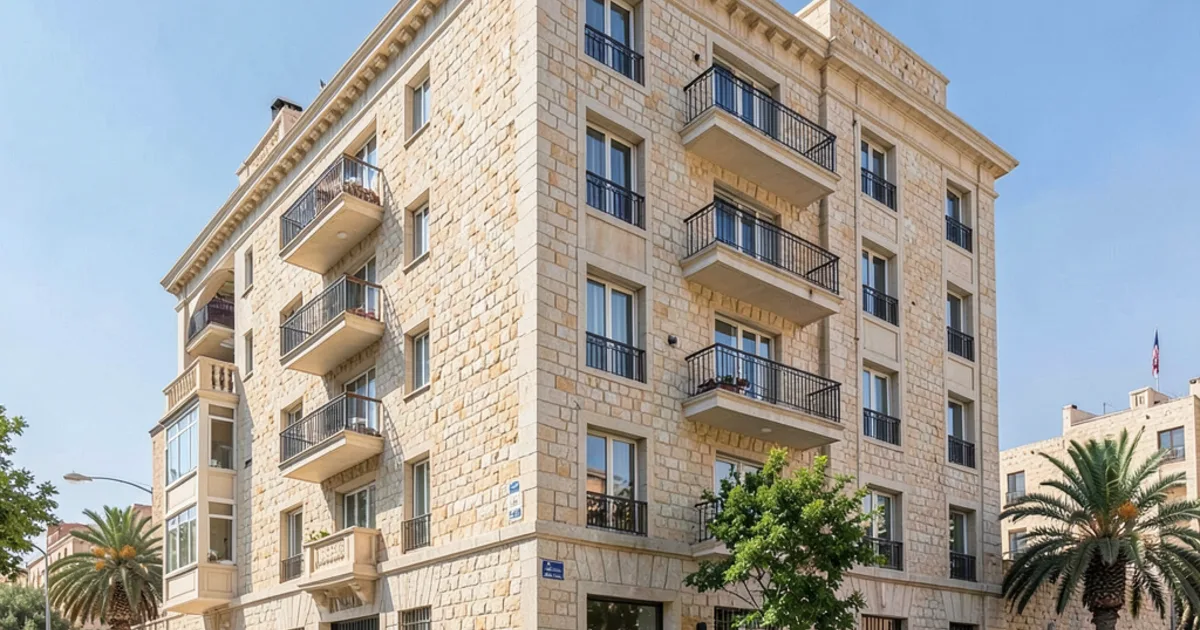
Investing in a new build apartment in Ramat Aviv represents a significant life decision, promising a modern living space in one of Tel Aviv's most sought-after neighborhoods. However, the journey from blueprint to move-in can sometimes be fraught with unforeseen challenges, particularly construction delays. Understanding the specific contractual safeguards available to buyers is paramount to protecting your investment and ensuring a smoother purchasing experience. This in-depth guide from TelAvivHomes will meticulously unpack the clauses and legal frameworks designed to shield you from the financial and emotional toll of project delays in the Israeli new build market, with a specific focus on Ramat Aviv.
Quick answer: In Israel, buyers are protected by the Purchase Agreement, which typically includes penalty clauses for late delivery and the right to terminate the contract if delays exceed a specific period. Additionally, the law mandates that developers must provide security for the project's completion, ensuring funds are protected if the construction is abandoned.
- The Critical Role of the Purchase Agreement in New Builds
- Defining and Triggering a Construction Delay: What Constitutes a Breach?
- The Significance of Penalty Clauses and Liquidated Damages
- Understanding 'Force Majeure' and Exemptions from Developer Liability
- The Right to Rescind the Contract Due to Prolonged Delays
- Escrow Accounts and Bank Guarantees: Financial Safeguards
- The Role of the Buyer's Attorney and Legal Due Diligence
- Negotiating Favorable Terms and Customizing Protections
- The Role of the Israeli Building Standard and Regulations
- Navigating Disputes and Seeking Legal Recourse
- Practical Steps for Buyers During a Delay
The Critical Role of the Purchase Agreement in New Builds
The purchase agreement, often referred to as the sales contract or 'Heskem Mekhira' in Hebrew, serves as the bedrock of your transaction for a new build in Ramat Aviv. More than just a document outlining the price and property details, it is a comprehensive legal instrument that defines the rights and obligations of both the buyer and the developer. For new constructions, this agreement is particularly complex, as it must account for a property that does not yet fully exist, detailing everything from specifications to timelines.
Before signing, it is imperative to engage a qualified Israeli real estate attorney to meticulously review every clause. This professional scrutiny ensures that your interests are adequately protected, especially concerning potential issues like construction delays. A well-drafted contract will anticipate various scenarios and stipulate clear remedies, preventing future disputes and providing a clear path forward should complications arise. Overlooking this crucial step can leave buyers vulnerable to significant financial and logistical setbacks.
The purchase agreement is not merely a formality; it is your primary line of defense. It should explicitly detail the project timeline, including projected completion dates, and incorporate provisions for what occurs if these dates are not met. Without robust contractual stipulations, buyers might find themselves with limited recourse, facing prolonged waits and unexpected costs. Therefore, understanding the nuances of this document is the first and most vital step in safeguarding your investment in a Ramat Aviv new build.
Defining and Triggering a Construction Delay: What Constitutes a Breach?
A construction delay, in the context of a new build in Ramat Aviv, is not simply any deviation from the developer's initial estimate. Legally, it typically refers to a situation where the developer fails to deliver the property by the stipulated date in the purchase agreement, beyond any grace periods or permissible extensions. The contract should clearly define the 'delivery date' and any conditions that might legitimately alter it, such as specific milestones for completion or receipt of necessary permits.
Most Israeli new build contracts include a grace period, often ranging from a few weeks to a few months, during which the developer can delay delivery without incurring penalties. This period is intended to account for minor, unavoidable hiccups in the construction process. It is crucial to understand the exact length of this grace period and when it officially begins, as penalties usually only accrue once this period has elapsed.
Once the grace period expires and the property is still not ready for handover, the delay officially 'triggers' the protective clauses within your contract. At this point, the buyer typically becomes entitled to compensation as outlined in the agreement. Documenting all communications and maintaining a clear timeline of events is essential for asserting your rights effectively when a delay occurs. This proactive approach strengthens your position should legal action become necessary.
The Significance of Penalty Clauses and Liquidated Damages
One of the most powerful safeguards for buyers against construction delays in Ramat Aviv is the inclusion of penalty clauses, often structured as liquidated damages. These clauses pre-determine the amount of compensation the buyer will receive for each period of delay (e.g., per month or part thereof) beyond the agreed-upon delivery date and grace period. The purpose of liquidated damages is to avoid the complex and often lengthy process of proving actual damages incurred by the delay, such as rental costs for alternative accommodation.
The specific amount stipulated in these clauses can vary, but it should be a reasonable reflection of potential losses, such as rent for a comparable property in Ramat Aviv or the interest on the buyer's mortgage payments. Israeli law, particularly the Sales Law (Apartments) (Guarantee of Investments of Persons Acquiring Apartments) Law, 1973, provides a framework that often guides the calculation of these penalties, aiming for a fair compensation that covers the buyer's expenses. It is important that these figures are explicitly stated and clearly understood before signing the contract.
Ensuring the penalty clause is robust and enforceable is critical. Your attorney should verify that the agreed-upon compensation is sufficient to cover your anticipated costs during a delay. While developers may seek to limit their liability, a well-negotiated contract will provide a meaningful deterrent against undue delays and offer substantial financial relief if they do occur. This clause acts as a powerful incentive for the developer to adhere to the construction schedule.
Understanding 'Force Majeure' and Exemptions from Developer Liability
Construction contracts in Israel, like elsewhere, typically include 'force majeure' clauses, which outline circumstances under which the developer may be excused from timely delivery without incurring penalties. These events are usually beyond the developer's reasonable control and include natural disasters like earthquakes or severe floods, acts of war or terrorism, widespread strikes affecting the construction industry, or governmental injunctions that halt work.
It is crucial for the purchase agreement to precisely define what constitutes a force majeure event. Vague or overly broad definitions can be detrimental to the buyer, allowing developers to claim exemption for a wide range of issues that might otherwise fall under their responsibility. The clause should also specify the notification requirements and the process for assessing the impact and duration of such an event, ensuring transparency and accountability.
Buyers and their legal counsel must scrutinize the force majeure clause carefully. While legitimate force majeure events are understandable, some developers may attempt to include less justifiable reasons for delay, such as 'unforeseen economic circumstances' or 'difficulties in obtaining materials.' A strong contract will narrow these definitions, requiring the developer to demonstrate a direct causal link between the event and the delay, and to take all reasonable steps to mitigate its impact. This protects the buyer from developers exploiting the clause for preventable delays.
The Right to Rescind the Contract Due to Prolonged Delays
In cases of exceptionally prolonged and unjustified construction delays, the buyer's ultimate protection in a Ramat Aviv new build contract is often the right to rescind the agreement. This means canceling the purchase and demanding a full refund of all monies paid, potentially with interest and additional damages. This right is typically reserved for severe breaches where the delay has become so extensive that it fundamentally undermines the purpose of the contract for the buyer.
The contract should clearly specify the conditions under which the buyer can exercise this right. This usually involves a significant delay beyond the initial grace period and any penalty-accruing period, often several months or even a year past the revised delivery date. The exact duration triggering rescission is a critical point for negotiation and should be clearly defined to avoid ambiguity.
Exercising the right to rescind is a serious step, as it unwinds the entire transaction. While it provides a crucial escape route from a perpetually delayed project, buyers should be aware of the potential complexities, such as recovering funds that may have been held in escrow or used by the developer. Legal consultation is indispensable before pursuing rescission, ensuring all legal requirements are met and the buyer's financial interests are fully protected during the process of unwinding the deal.
Escrow Accounts and Bank Guarantees: Financial Safeguards
Beyond contractual clauses, financial mechanisms provide a crucial layer of protection for buyers of new builds in Ramat Aviv. Israeli law mandates that developers provide buyers with a guarantee for the payments they make, especially when buying an apartment that is not yet fully constructed. The most common forms of these guarantees are bank guarantees ('Arvut Bankait') or the placement of funds into a protected escrow account.
A bank guarantee ensures that if the developer fails to deliver the apartment or goes bankrupt, the buyer's funds are secured and can be recouped from the bank. This is an invaluable safeguard against the developer's financial instability, which could otherwise leave buyers without their apartment and without their money. The guarantee should cover all payments made by the buyer, indexed to the construction progress and the property's value.
Alternatively, funds may be held in a special escrow account managed by a trustee, typically an attorney, where payments are released to the developer only upon the achievement of pre-defined construction milestones. This mechanism ensures that the developer only receives funds as progress is made, reducing the risk of funds being misused or disappearing if the project falters. Verifying the terms of the bank guarantee or escrow arrangement is as important as reviewing the purchase agreement itself.
The Role of the Buyer's Attorney and Legal Due Diligence
Engaging an experienced Israeli real estate attorney is not merely advisable; it is essential when purchasing a new build in Ramat Aviv. Your attorney acts as your primary advocate, conducting thorough legal due diligence on the developer, the project, and the specific purchase agreement. This includes researching the developer's track record, checking for any past legal disputes or financial difficulties, and verifying all necessary permits and approvals are in place for the construction.
The attorney's role extends to meticulously reviewing every clause of the purchase agreement, negotiating favorable terms on your behalf, and explaining complex legal jargon in clear terms. They will ensure that protective clauses against delays are robust, that penalty amounts are adequate, and that financial guarantees are properly secured. Their expertise can identify potential pitfalls that an untrained eye might miss, preventing costly mistakes down the line.
Furthermore, your attorney will guide you through the entire purchasing process, from the binding memorandum ('Zichron Devarim') to the registration of your rights in the Tabu (land registry). They will ensure timely payments are made in accordance with construction progress and that all legal requirements, such as Mas Rekhisha (purchase tax), are handled correctly. Their ongoing oversight is invaluable for safeguarding your investment throughout the construction period and beyond.
Negotiating Favorable Terms and Customizing Protections
While developers often present standard contracts, many clauses, particularly those related to delays and penalties, are open to negotiation. Buyers, especially with the guidance of their attorney, have the opportunity to customize protections to better suit their individual needs and risk tolerance. This can involve negotiating for higher penalty rates, a shorter grace period for delays, or more stringent conditions for invoking force majeure.
The leverage for negotiation can depend on various factors, including the demand for the specific project in Ramat Aviv, the developer's sales targets, and the overall market conditions. A well-prepared buyer, backed by solid legal advice, can often secure more favorable terms than those initially offered. It is important to remember that the developer's standard contract is designed to protect their interests first.
Focusing on key areas during negotiation, such as the exact delivery date, the grace period, the daily or monthly penalty for delays, and the conditions for contract rescission, can significantly enhance your protection. Don't shy away from requesting clarifications or modifications that provide greater clarity and security. A proactive approach in this stage can prevent significant headaches and financial losses should delays occur.
The Role of the Israeli Building Standard and Regulations
Beyond contractual agreements, the Israeli Building Standard and various regulations provide a baseline level of protection for new build buyers, including aspects related to construction timelines and quality. While these regulations don't directly stipulate delay penalties, they govern the construction process, ensuring adherence to safety, structural integrity, and finish quality. Deviations can lead to inspections, corrective actions, and potentially delays in obtaining final occupancy permits ('Tofes 4').
The developer is legally obligated to construct the apartment in accordance with approved plans and Israeli building codes. Any significant non-compliance that requires rework can inevitably lead to project delays. Buyers should be aware that the final occupancy permit is a critical document, without which they cannot legally move into the apartment. Delays in obtaining this permit, often due to outstanding issues, directly impact the buyer's ability to take possession.
While these regulations primarily focus on technical aspects, they indirectly influence the likelihood and duration of delays. A diligent developer who adheres to all standards from the outset is less likely to face regulatory hurdles that impede progress. Conversely, a developer cutting corners might face enforcement actions that bring the project to a standstill, making regulatory compliance an important, albeit indirect, factor in construction timelines.
Navigating Disputes and Seeking Legal Recourse
Should a construction delay occur in your Ramat Aviv new build project, and the developer fails to honor the contractual obligations, understanding the available avenues for dispute resolution and legal recourse is paramount. The first step is typically to formally notify the developer in writing of the delay and your intention to invoke the relevant contractual clauses, such as the penalty provisions. This creates a clear paper trail.
If direct negotiation or informal communication does not resolve the issue, several options exist. Mediation, where a neutral third party facilitates discussions, can be an effective way to reach a mutually agreeable solution without resorting to full litigation. Arbitration, if stipulated in the contract, involves submitting the dispute to an arbitrator whose decision is often binding, offering a more structured alternative to court.
Ultimately, if all other avenues fail, litigation in the Israeli courts remains an option. This is typically a last resort due to its cost and length, but it allows for the full enforcement of your contractual rights, including claims for liquidated damages, actual damages, and potentially the right to rescind the contract. Having a skilled attorney who specializes in real estate litigation is crucial for navigating this complex process and maximizing your chances of a favorable outcome.
Practical Steps for Buyers During a Delay
If you encounter a construction delay for your new build in Ramat Aviv, taking proactive and organized steps can significantly strengthen your position. Firstly, maintain comprehensive records of all communications with the developer, including emails, letters, and meeting notes. Document the exact dates of the delay, noting when the grace period expires and when penalties should begin accruing. Photographic or video evidence of the construction site's progress can also be useful.
Secondly, consult immediately with your real estate attorney to understand your rights and the specific clauses in your contract that apply. Your attorney can advise on the best course of action, whether it's demanding penalties, negotiating a new timeline, or escalating the dispute. Avoid making any informal agreements or accepting verbal promises without legal counsel.
Finally, be prepared to demonstrate the actual costs you are incurring due to the delay. This might include rental agreements for temporary accommodation, storage costs for furniture, or additional interest paid on your Mashkanta (mortgage) if the delay impacts your ability to move in and stop paying rent. While liquidated damages clauses aim to simplify this, having evidence of actual losses can strengthen your position in negotiations or litigation.
FAQ
Can a developer change the apartment's specifications during a delay?
Generally, significant changes to apartment specifications without the buyer's consent are not permitted. The purchase agreement should detail the precise specifications, and any material deviations, whether due to delays or other reasons, could constitute a breach of contract.
Are there specific laws in Israel protecting new build buyers from delays?
Yes, the Sales Law (Apartments) (Guarantee of Investments of Persons Acquiring Apartments) Law, 1973, is a key piece of legislation, primarily focused on safeguarding buyer funds. While it doesn't directly dictate penalty amounts for delays, it ensures financial protections that are crucial when delays occur.
What if the developer declares bankruptcy during construction?
If the developer declares bankruptcy, the bank guarantee ('Arvut Bankait') or funds held in an escrow account become your primary protection. These mechanisms are designed to ensure the return of your payments, or the completion of the apartment by another entity, depending on the specific terms.
How do I calculate the specific penalty I am owed for a delay?
The penalty amount is typically stipulated in your purchase agreement as a fixed sum per month or day of delay, often indexed to a specific economic indicator. Your attorney will help you apply this clause and calculate the exact amount you are due based on the duration of the delay beyond any grace period.
Does a construction delay affect my Mashkanta (mortgage) payments?
A delay can indirectly affect your Mashkanta. If you are paying both rent and a mortgage on the delayed property, the delay means you continue to incur both costs for a longer period. Some penalty clauses account for this by providing compensation that can help offset these double expenses.
Get your personalised shortlist
Listings and up-to-date info, straight to your inbox, free, no obligation.
See Tel Aviv homes →